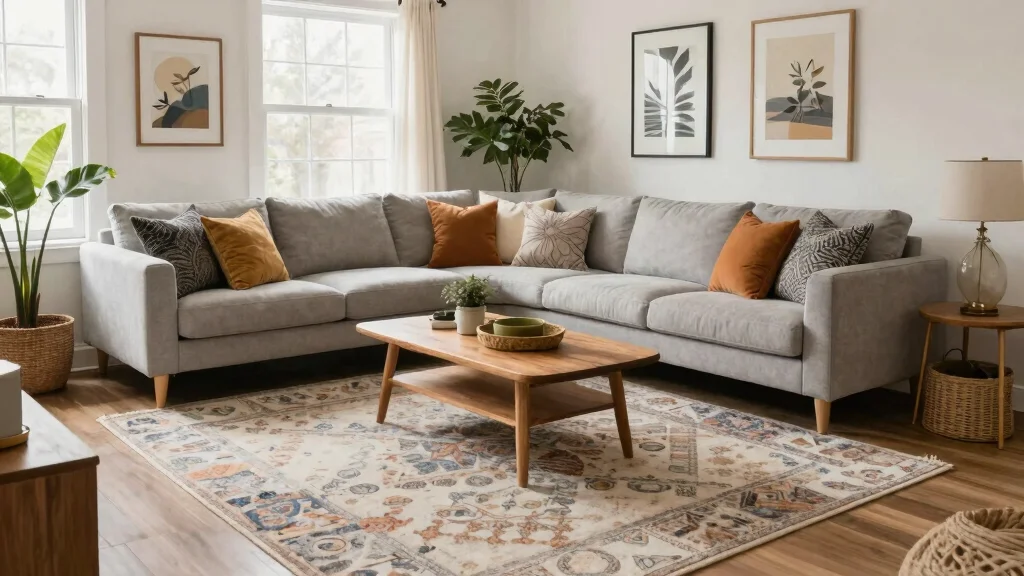
Creating a cozy and stylish living room can feel overwhelming, especially when it comes to choosing the right rug placement. I put this post together because finding the perfect rug for your space is not just about aesthetics; it’s about creating an environment that feels welcoming and functional. Whether you’re moving into a new place or just wanting to refresh your existing decor, understanding how to properly place your rugs can completely transform your living area.
If you’re someone who loves home decor and wants to elevate your living room’s vibe, this guide is for you. You might be working with a small space or looking for ways to merge comfort with style. Either way, I’ve gathered 18 designer-approved rug living room placement ideas that will help you achieve that coveted look. You’ll discover practical tips, clever techniques, and creative ideas that are not only beautiful but also tailored to suit your lifestyle.
By the end of this post, you’ll gain valuable insights into how to choose and place rugs that enhance your living room’s decor while maximizing your space. From defining zones with rugs to layering textures, these ideas will spark your creativity and help you make the most out of your home styling. Get ready to dive into the world of area rugs and learn how to make them work for you!
Key Takeaways
– Define Your Space with a Large Area Rug: Use a large rug to anchor your living room furniture, creating a cohesive area that feels organized and inviting.
– Layering for Depth: Layering rugs adds texture and visual interest, allowing you to mix patterns and colors effectively.
– Create Zones with Rugs: Use different rug placements to define separate areas within your living room, such as seating or play zones.
– Choose a Statement Rug: A bold rug can serve as the centerpiece of your decor, drawing attention and enhancing the overall style of the room.
– Consider Practicality: Always think about your lifestyle needs when selecting and placing rugs, like maintenance and durability, to ensure they suit your everyday requirements.


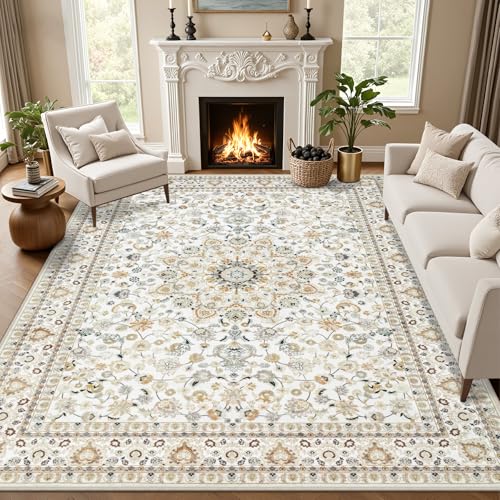


1. Define Your Space with a Large Area Rug
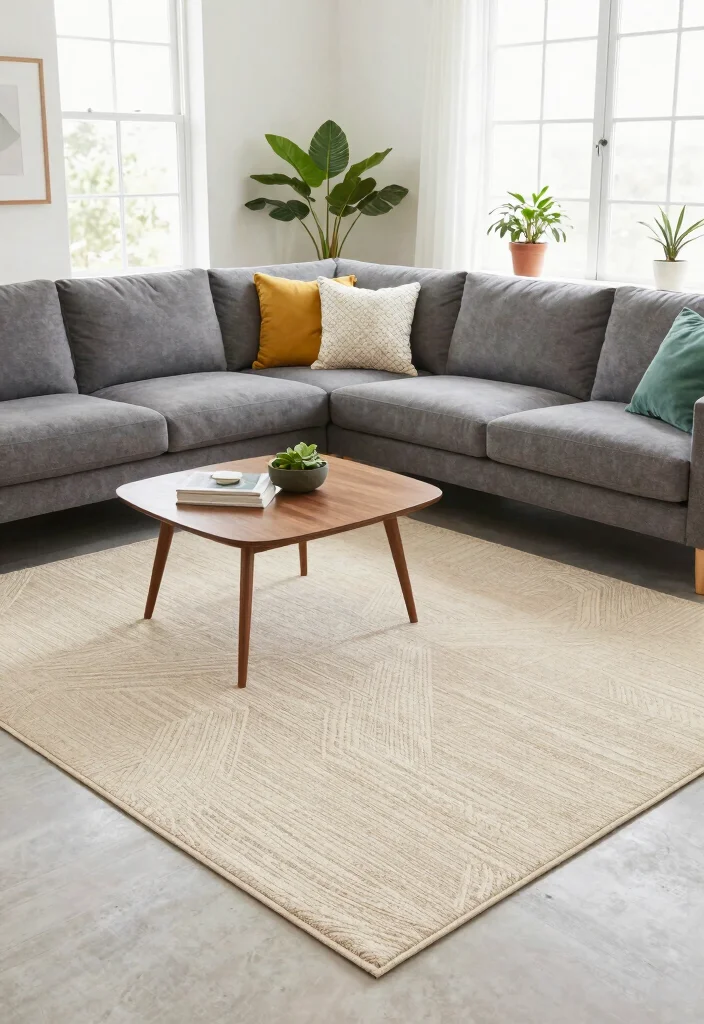
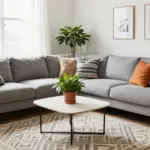
A large area rug can transform a small living room by establishing a sense of unity. By choosing a rug that accommodates all major furniture pieces, you create a visually expansive atmosphere. This method anchors the room, lending it an inviting and thoughtfully curated feel. Imagine a soft cream rug under a cozy sectional, perfectly framing the space with warmth and style.
To implement this idea effectively, select a rug that extends about 18-24 inches beyond your furniture’s front legs. A neutral shade can enhance the feeling of openness, while a subtle pattern adds an element of charm. Avoid smaller rugs, as they can disrupt the flow and make your room feel cramped.
Consider these tips to make the most of your rug placement:
– Pair a large area rug with a sectional sofa for a cozy look.
– Choose a light color to visually enlarge the space.
– Anchor the rug under all furniture legs for cohesion.
This classic approach not only enhances comfort but also serves as a stylish foundation for your decor. Incorporating the right large rug elevates the overall theme of your living area.


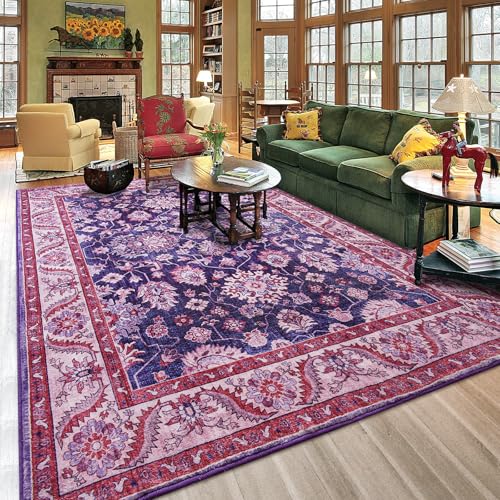
2. Layering for Depth and Texture
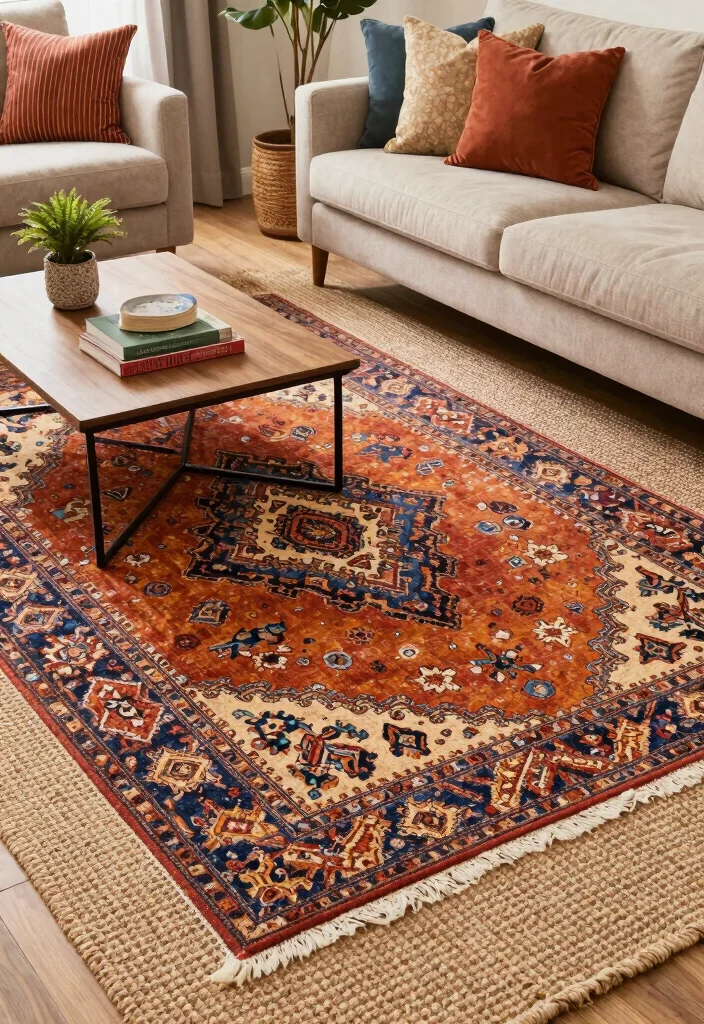
Layering rugs is a creative way to infuse depth and texture into your living room. By mixing a large jute rug with a smaller, plush area rug, you can add visual intrigue while creating varied textures underfoot. This method not only enhances design but also provides a welcoming feel to your space, inviting you to relax and unwind.
For a successful layering effect, play with contrasting colors and patterns to cultivate an eclectic atmosphere. Ensure that both rugs complement each other in style to avoid visual chaos. Consider pairing a natural fiber rug with a soft shaggy option to achieve a harmonious balance.
Explore these ideas to effectively layer rugs:
– Use a jute rug as a base and add a vibrant patterned rug on top.
– Experiment with different textures for a dynamic underfoot experience.
– Ensure both rugs coordinate in color and style for a cohesive look.
This technique is particularly advantageous in smaller spaces, as it draws the eye and creates a cozy, dynamic environment.
❝ Layering rugs can add up to 40% more perceived depth in a small living room. For rug living room placement, start with a large jute base, then tuck a smaller plush rug beneath seating for contrast and warmth—it’s practical, inviting relaxation.


3. Create Zones with Rugs
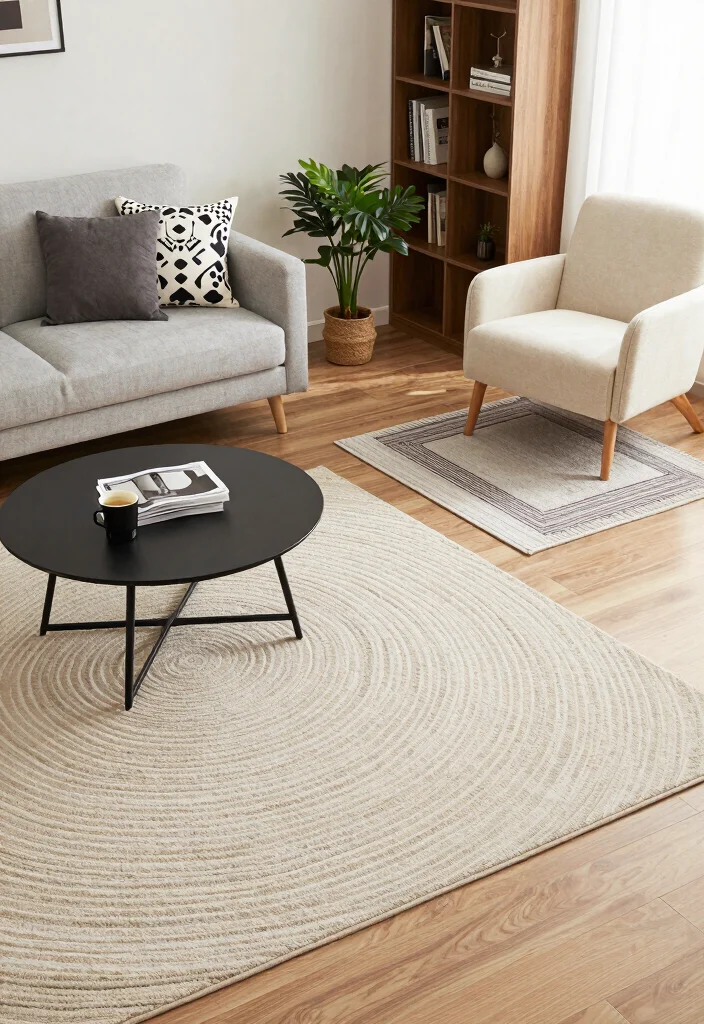
Using rugs to define distinct zones in a smaller living room can significantly improve functionality. For instance, placing a rug beneath a coffee table establishes a central conversation area, while another rug can delineate a cozy reading nook. This thoughtful arrangement enhances the overall usability of your space, making it feel well-organized and inviting.
When styling with rugs, use them to separate areas for various activities, ensuring each section is visually distinct yet harmonious. Select rugs that complement each other in color and texture to maintain a cohesive aesthetic throughout the room. Don’t hesitate to experiment with different rug sizes for added dimension and interest.
Try these ideas to effectively create zones:
– Use a plush rug under a coffee table for a conversation area.
– Define a reading nook with a smaller, patterned rug.
– Choose rugs that share a color palette for cohesion.
This strategy ensures every corner of your living room serves a purpose, making it feel spacious and thoughtfully arranged.
How To Choose The Right Rug for Your Living Room Placement
Choosing the right rug for your living room can elevate your space dramatically. A well-placed rug not only defines areas but also adds warmth and personality. Here are some key factors to consider when selecting the perfect rug for your living room.
1. Size Matters
The size of the rug is crucial for effective placement. Measure your space and decide if you want a large area rug or smaller accent rugs. A general rule is to ensure that the front legs of furniture are on the rug, which helps create a cohesive look. For smaller spaces, a rug that fits under a coffee table can make the room feel more integrated.
2. Material Selection
The material you choose affects both appearance and functionality. Wool rugs are durable and great for high-traffic areas, while cotton rugs are softer and easier to clean. Natural fibers like jute or sisal add texture but may require careful maintenance. Consider where your rug will be placed and the lifestyle you lead, as some materials are more suitable for pets and children.
3. Color and Pattern
The color and pattern of your rug should complement your existing decor. If your living room has bold colors, consider a neutral rug to balance the space. Alternatively, a vibrant patterned rug can be a focal point. Test a few options in the room to see how they interact with light and other elements in your decor.
4. Style Considerations
Rugs come in various styles, from modern geometric patterns to traditional Persian designs. Think about the overall theme of your living room. A vintage rug can add character, while a minimalist rug can create a sleek look. Ensure that the rug style aligns with your furniture and decor for a harmonious feel.
5. Practicality and Maintenance
Consider how much time you want to dedicate to cleaning your rug. Some materials are stain-resistant and easy to maintain, while others may require professional cleaning. If you have pets or kids, opt for rugs that can withstand wear and tear. Check the care instructions before making a purchase to ensure it fits your lifestyle.
6. Budget Planning
Rugs come in a wide range of prices, so it’s essential to set a budget. While it’s tempting to go for the cheapest option, investing in a quality rug can pay off in durability and style. Look for sales or discounts, and don’t be afraid to explore different retailers to find the best deal for your desired rug.
Pro Tip: Always take swatches or photos of your current decor when shopping for rugs. This will help you visualize how different options will fit in your space. Always measure your space before heading out to shop. Knowing the dimensions will save you time and help you avoid making an impulse purchase that doesn’t fit.
Choosing the perfect rug for your living room is a blend of understanding your space and your personal style. With these tips, you’ll be well on your way to selecting a rug that enhances your home and meets your needs.
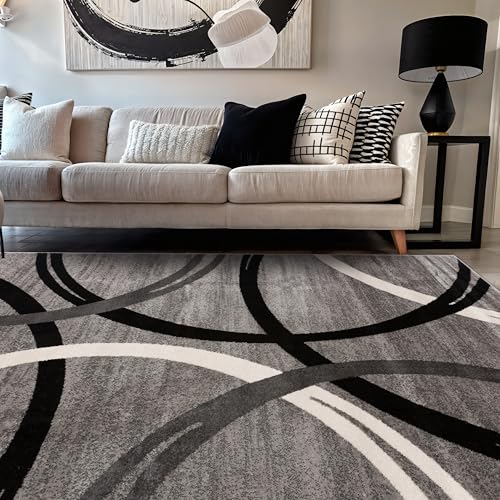


4. Choose a Statement Rug for Impact
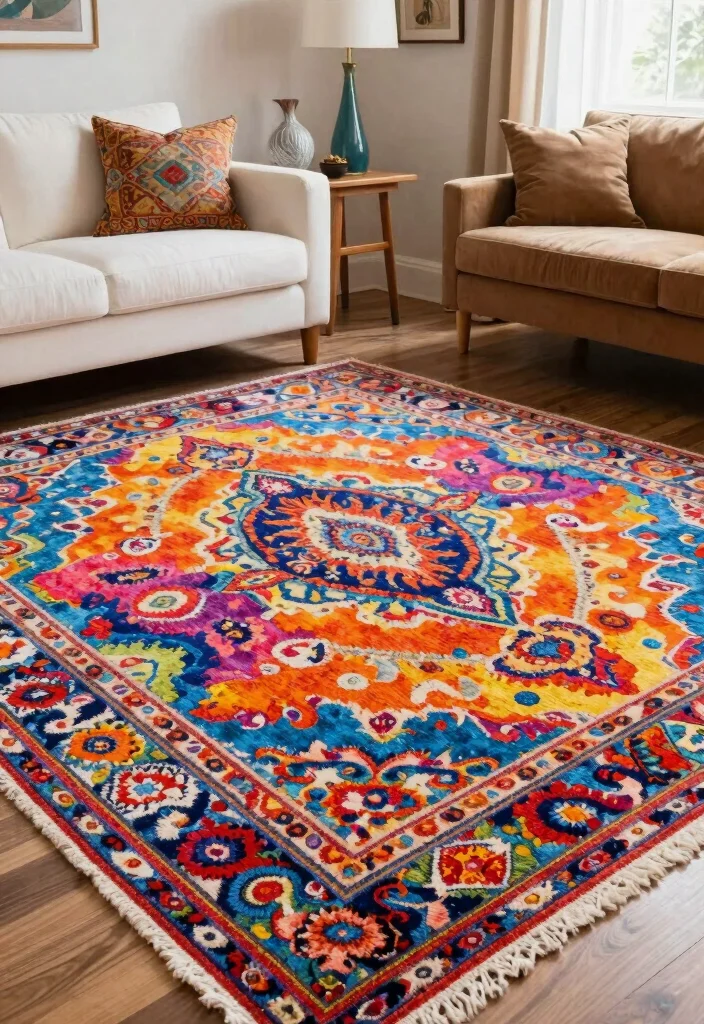
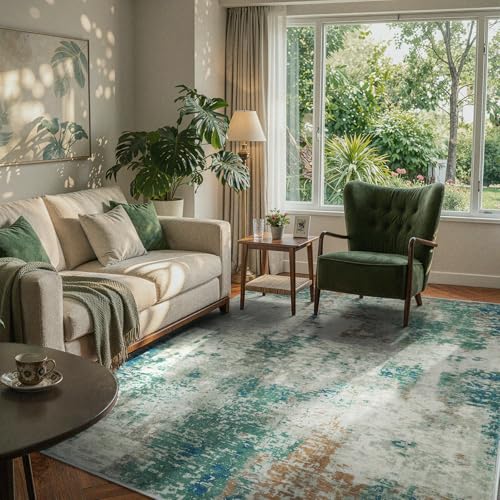
A striking statement rug can become a captivating focal point in a small living room. Opt for rugs that feature vivid colors or intricate patterns to draw the eye and infuse personality into your space. This bold choice can transform an ordinary room into a stylish haven that reflects your unique taste and flair.
To make the most of a statement rug, keep surrounding decor minimal to allow the rug’s beauty to shine. Pair it with neutral furniture to achieve a balanced visual weight. Consider geometric or abstract patterns for a contemporary touch that enhances your living area.
Incorporate these ideas for a stunning impact:
– Select a vibrant rug to serve as the room’s centerpiece.
– Use neutral furnishings to complement the bold rug.
– Choose an abstract design for a modern aesthetic.
This approach elevates your living space, showcasing your style while ensuring a cohesive and inviting atmosphere.
5. Go Small with Accent Rugs
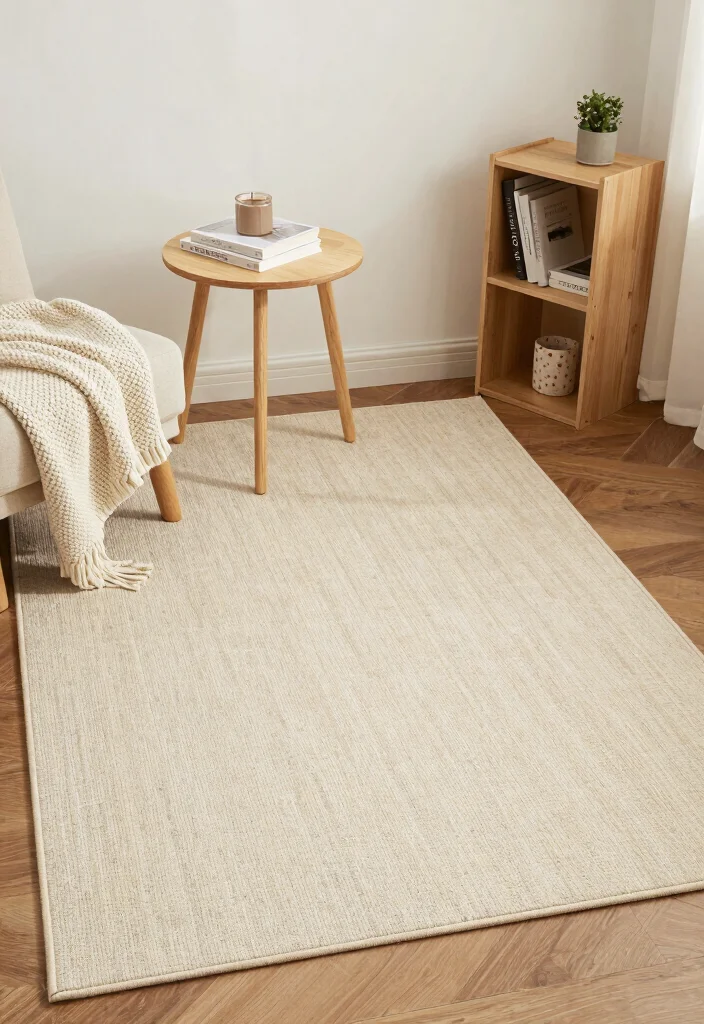
In tight spaces, smaller accent rugs can work wonders, adding warmth and style without overwhelming the room. These rugs are perfect for enhancing your living room’s decor, whether placed under a side table or in an entryway. They provide a charming touch that can tie your design elements together.
When selecting accent rugs, choose designs that introduce a splash of color or pattern in specific areas. Round rugs can create a softer look, while layering over hardwood or tile floors adds comfort in key spots. Accent rugs can also help define smaller spaces, ensuring they feel cozy and inviting.
Consider these ideas for effective accent rug placement:
– Place a small rug under a side table for added warmth.
– Choose a round rug for a softer, inviting look.
– Layer accent rugs for depth and texture.
This method allows you to inject personality into your living room without the commitment of larger rugs.


6. Use Rugs to Create Flow
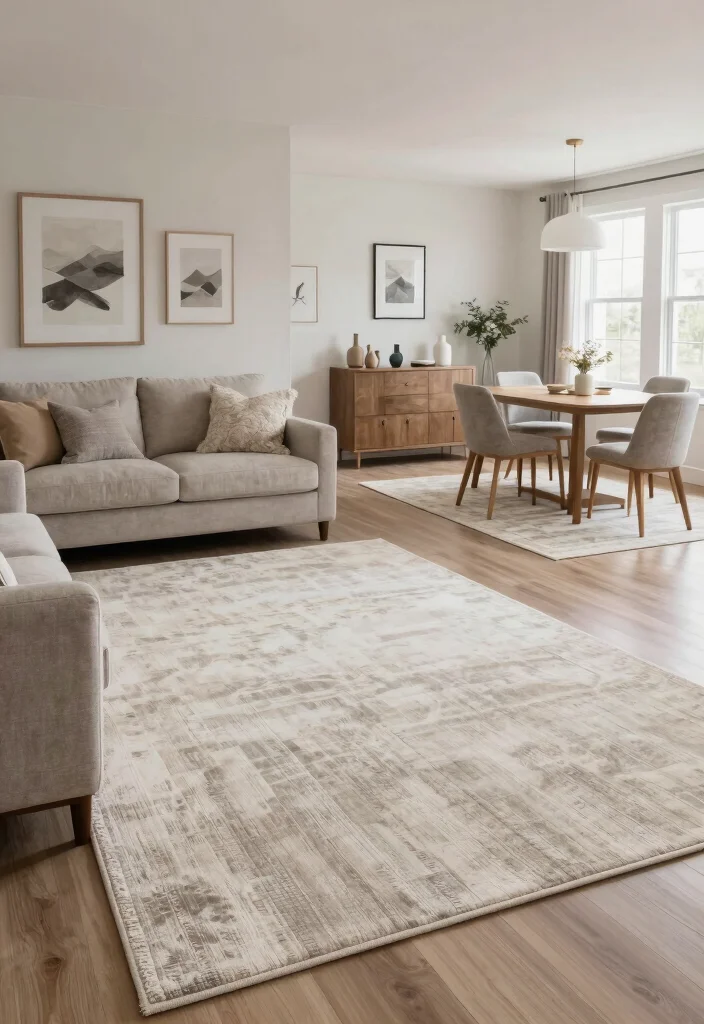
Maintaining a consistent rug style throughout your small living room fosters a sense of flow and connection. By using similar colors and patterns, you can visually unite different areas within the room. This technique works remarkably well in open-concept spaces, ensuring everything feels cohesive and inviting.
To achieve this look, choose one or two colors as a unifying theme that links your rugs together. Ensure the rugs share similar materials for a harmonious feel, and don’t hesitate to play with different shapes and sizes for visual interest while keeping the overall theme intact.
Implement these tips to promote flow in your space:
– Select a color palette that ties your rugs together.
– Use rugs made of similar materials for cohesion.
– Mix different shapes for added visual intrigue.
This strategy will help your living room feel more spacious, organized, and welcoming.
7. Incorporate Texture with Natural Fibers
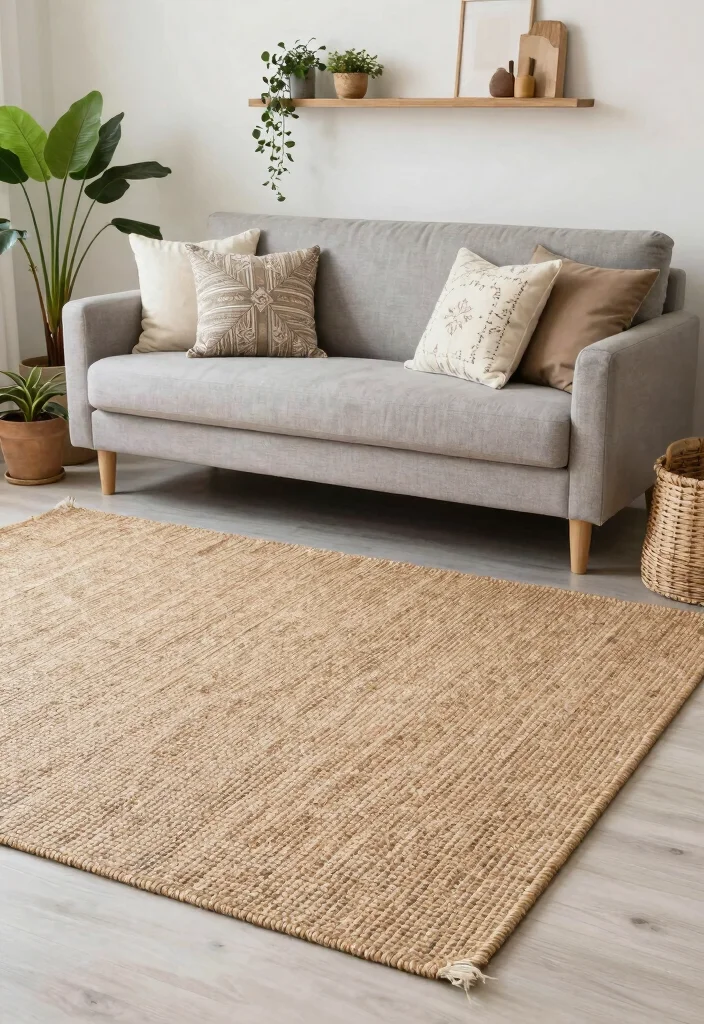
Natural fiber rugs such as jute, sisal, or seagrass introduce wonderful texture to small living rooms. These durable options are easy to maintain and bring an organic feel to your decor, enhancing both style and comfort. Their natural aesthetic creates a warm and inviting atmosphere, perfect for relaxation.
To effectively use natural fiber rugs, consider how they pair with various design styles, from bohemian to contemporary. They work beautifully in layered settings, providing warmth without heaviness. A natural fiber rug can serve as a base, layered with additional rugs for richness and complexity.
Explore these ideas to incorporate natural fibers:
– Use a jute rug as a base and layer with a colorful rug.
– Pair natural fibers with contrasting textures for depth.
– Choose a sisal rug for a durable, stylish option.
This technique not only brightens your small living space but also grounds your overall decor with its organic charm.
Natural fiber rugs bring instant texture to small spaces, without overwhelming the room. Pair jute or seagrass with a simple palette to anchor your rug living room placement, then layer with textiles for warmth and height.
8. Play with Color Schemes
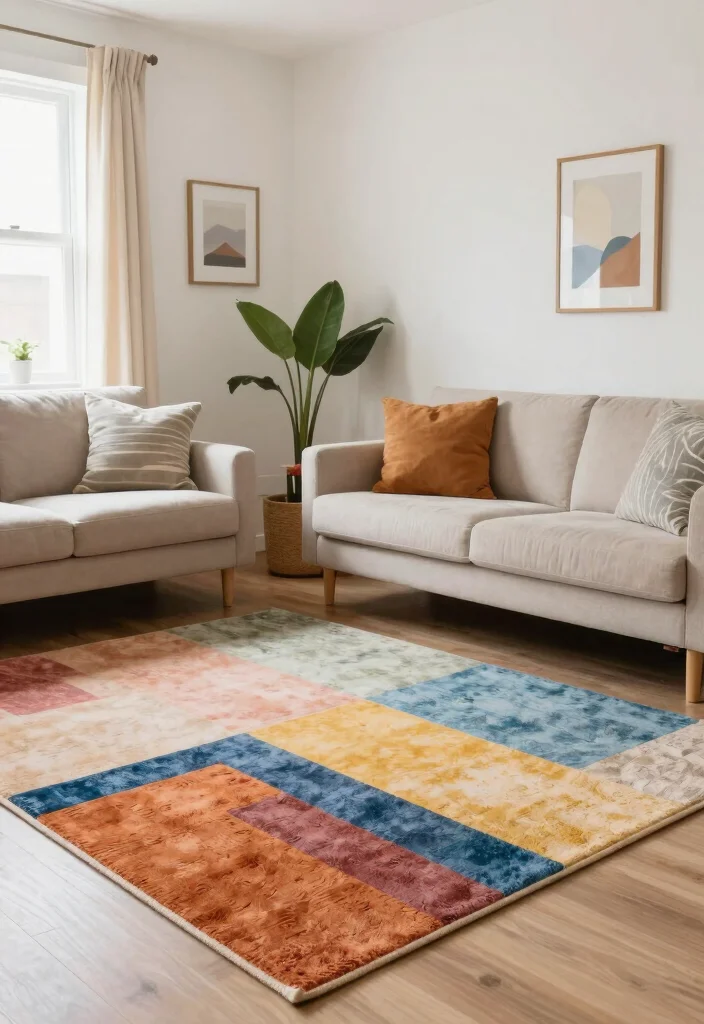
Selecting the right color scheme for your rug is essential in a small space. Whether you choose bold hues or soft pastels, your rug can set the tone for the entire living room. A well-thought-out color palette elevates the overall look and feel of your area, creating a harmonious environment.
When choosing colors, consider the existing palette of your room to ensure harmony. Use the rug as a chance to introduce a pop of color without overwhelming the decor. Light-colored rugs can instill an airy feeling, while darker shades add warmth and intimacy.
Try these tips for choosing the perfect colors:
– Align the rug colors with your room’s palette.
– Use a rug to introduce a splash of color.
– Opt for light colors to enhance spaciousness.
Experimenting with colors will personalize your space and significantly enhance its overall aesthetic.


9. Experiment with Shapes
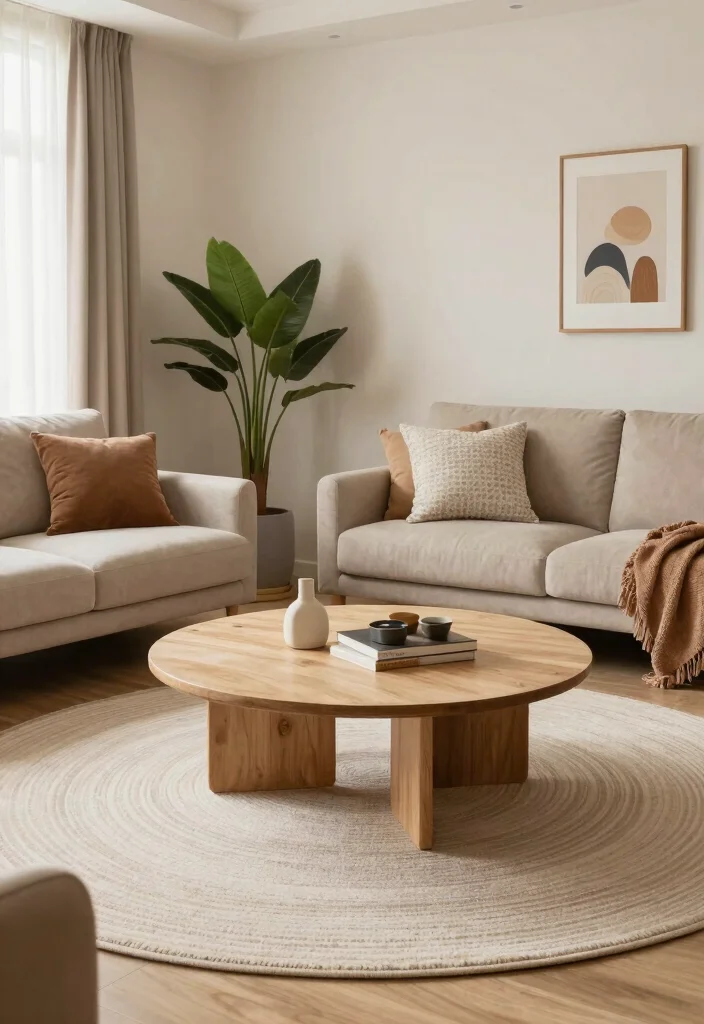
The shape of your rug can dramatically influence the look and feel of a small living room. Round rugs can soften angular furniture and create an inviting atmosphere, while rectangular rugs can elongate the space, making it feel more open. Choosing the right shape is crucial for optimizing both aesthetics and functionality.
Consider using a round rug in seating areas to promote conversation and connection. Rectangular rugs can effectively define longer, narrower spaces, providing structure. Mixing various shapes can bring visual interest, but ensure the color palette remains cohesive for balance.
Incorporate these shape strategies:
– Choose a round rug to foster a cozy seating area.
– Use rectangular rugs to define narrow spaces.
– Maintain a cohesive color scheme while mixing shapes.
Selecting the right rug shape not only enhances the functionality of your living room but also elevates its overall aesthetic appeal.
10. Maintenance Matters
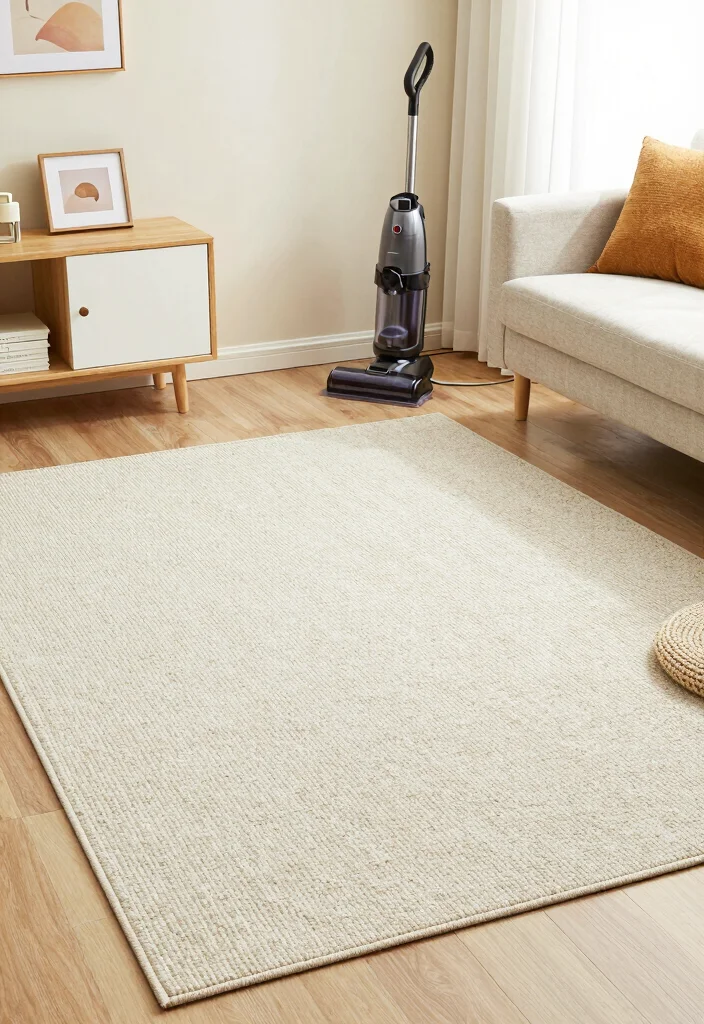
When selecting rugs for a small living room, maintenance should be a top consideration. Materials like synthetic fibers tend to resist stains and are easier to clean compared to natural fibers. Always check care instructions before making a purchase to ensure longevity and ease of upkeep.
Opt for washable rugs if you have children or pets to simplify cleaning. Regular vacuuming and occasional professional cleaning will keep your rugs looking fresh and vibrant. Consider the rug’s durability based on your room usage, as high-traffic areas may require sturdier materials.
Keep these maintenance tips in mind:
– Choose washable rugs for easy cleaning.
– Vacuum regularly to maintain freshness.
– Select durable materials for high-traffic areas.
This focus on maintenance not only prolongs the life of your rugs but also ensures your living area always looks its best.
Fun fact: 75% of stains are wipe-and-go with washable synthetic rugs. For rug living room placement in small spaces, choose materials that resist spills and check care labels—easy cleaning keeps a tight layout looking fresh and bright.


11. Layer with a Runner for Hallways
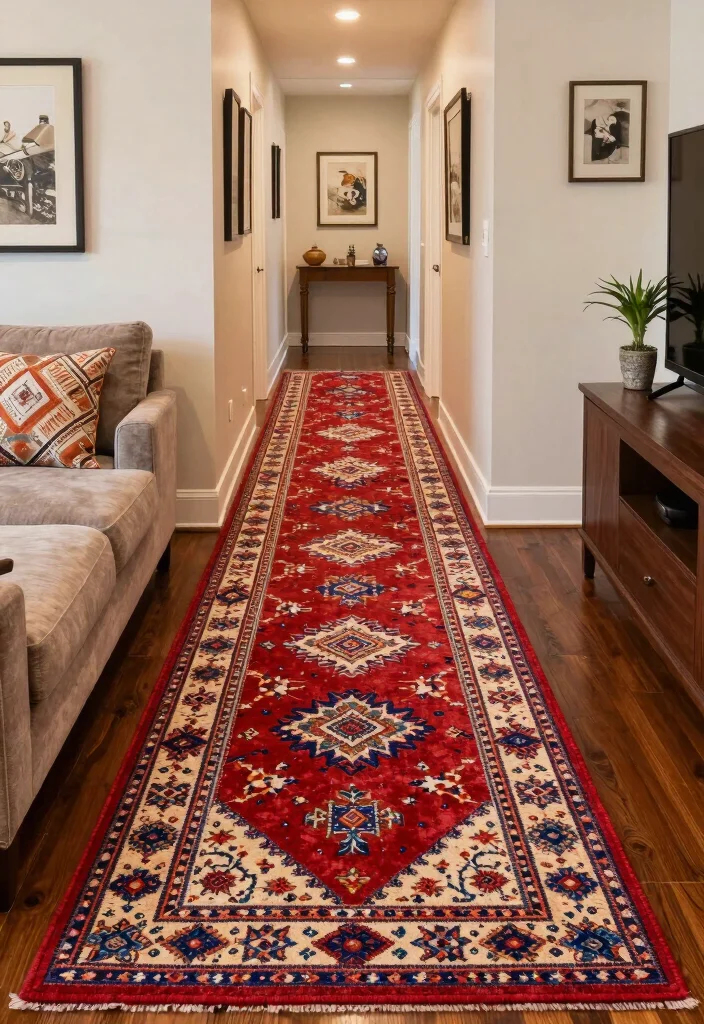
If your living room connects to a hallway, consider using a runner rug to create a seamless transition. This addition not only adds warmth underfoot but also visually defines pathways throughout your home. A well-placed runner can enhance both the aesthetic and functionality of the space, making it feel cohesive and inviting.
When selecting a runner, choose one that complements your main living room rug for continuity. Opt for a bold pattern to add interest in the transitional area. Ensure the runner is securely placed to prevent tripping hazards while enhancing the overall decor.
Explore these ideas for effective runner placement:
– Select a runner that matches your living room rug.
– Choose a bold design to make a statement.
– Ensure the runner is secure to avoid accidents.
This technique creates visual flow and connects adjacent spaces, making your home feel more unified.


12. Incorporate a Vintage Rug
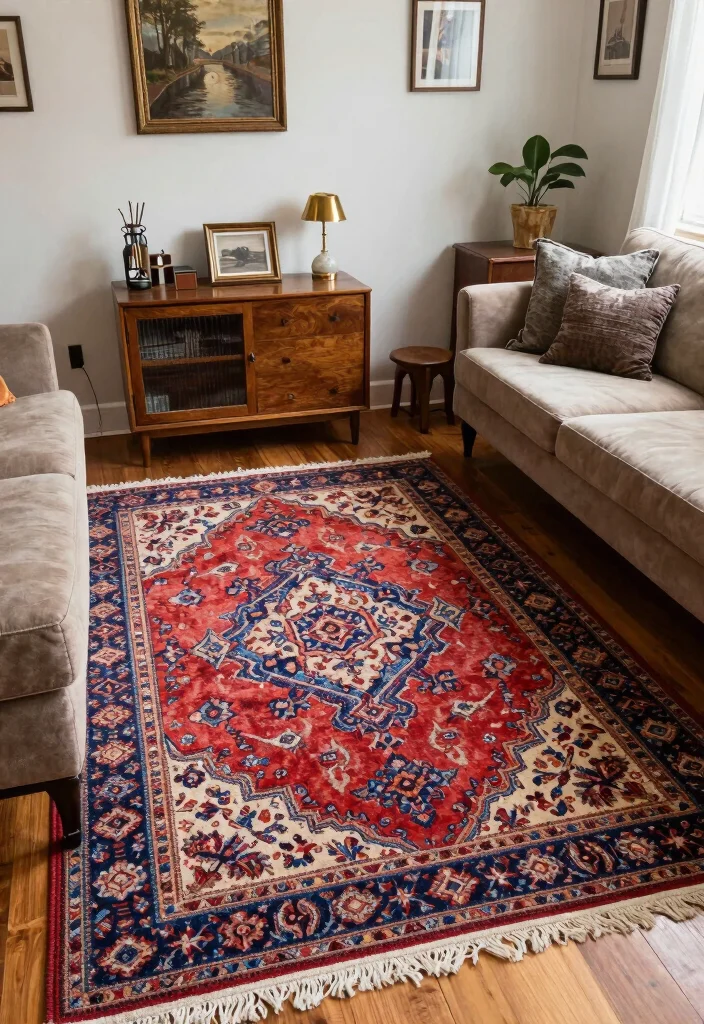
Vintage rugs add character and a sense of history to any living room. They are particularly effective in small spaces, providing unique charm without overwhelming the design. Look for one-of-a-kind pieces that serve as conversation starters, enriching your decor with their distinctiveness.
To make the most of a vintage rug, use it to introduce unexpected colors and patterns into your space. Pair it with modern furniture to create a striking contrast that enhances your overall aesthetic. Ensure the vintage rug is clean and in good condition to maintain its longevity and beauty.
Consider these ideas for incorporating vintage rugs:
– Use a vintage rug to introduce unique colors.
– Pair with contemporary furniture for a chic juxtaposition.
– Check the rug’s condition before integrating it into your decor.
Adding a vintage rug elevates your living space and showcases your individual style, making it truly your own.
13. Use Outdoor Rugs Indoors
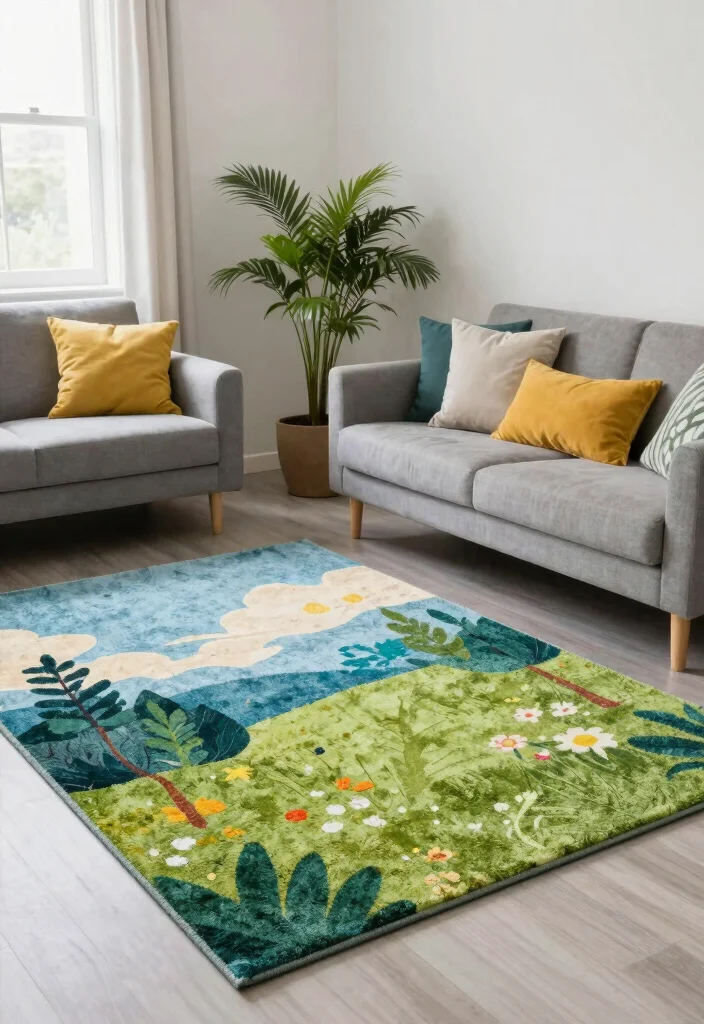
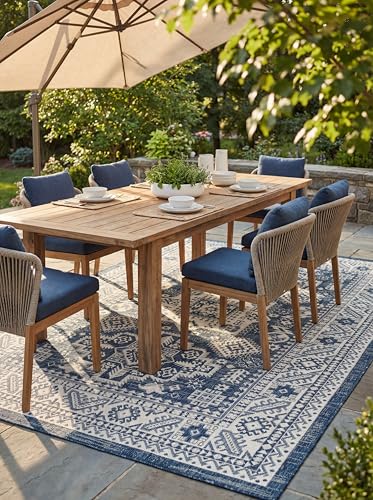
Don’t overlook the potential of outdoor rugs in your indoor space, especially in small living rooms. They are often more durable, stain-resistant, and easy to clean, making them a practical choice. Their vibrant patterns can also inject a playful touch into your decor, enhancing its visual appeal.
When selecting an outdoor rug for indoor use, choose a design that aligns with your existing decor style for continuity. Outdoor rugs are perfect for high-traffic areas, making them ideal for busy living rooms. Consider the texture and comfort, as some outdoor options may feel rough compared to indoor alternatives.
Explore these tips for using outdoor rugs indoors:
– Choose a design that complements your indoor decor.
– Use outdoor rugs for high-traffic areas for durability.
– Be mindful of texture for comfort underfoot.
This approach maximizes functionality while maintaining a lively and inviting aesthetic.



14. Layer with a Carpet Tile
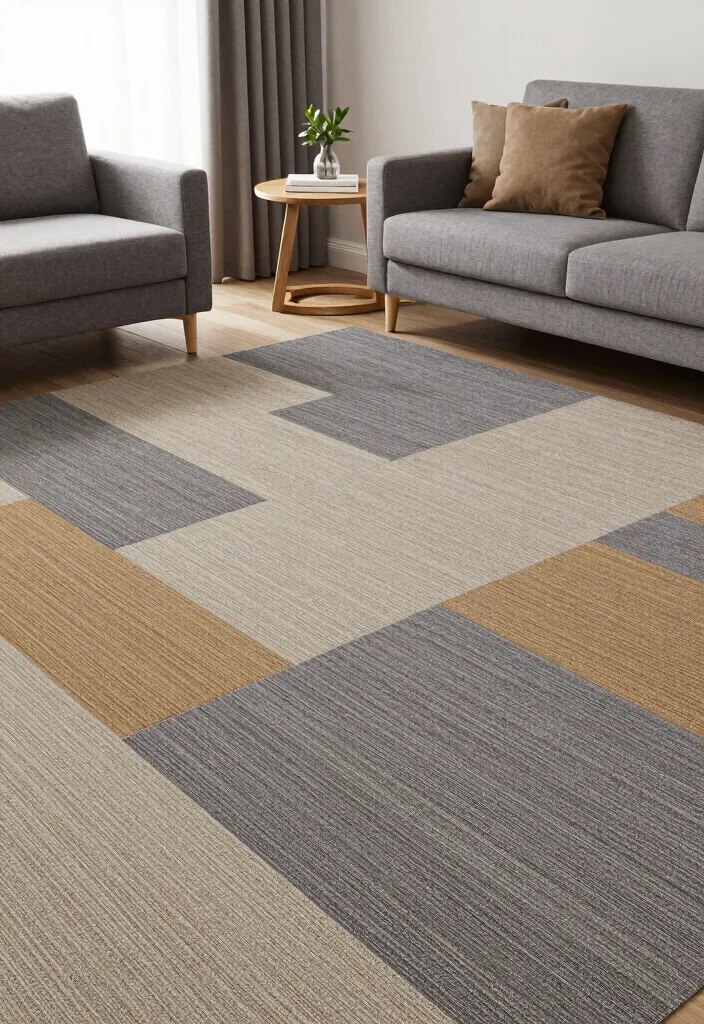
Carpet tiles are a modern and flexible option for small living rooms. They come in a variety of colors and patterns, allowing you to arrange them in unique configurations for a personalized look. This versatility enables you to create custom area rugs that perfectly fit your space and style.
To effectively use carpet tiles, mix and match different colors to achieve either a playful or sophisticated aesthetic. They are easy to replace individually if damaged, making them a practical choice for busy households. Layering carpet tiles can create depth and interest, enhancing your living room’s overall appeal.
Consider these ideas for using carpet tiles:
– Create a custom area rug with your choice of colors.
– Mix colors for a fun or elegant look.
– Replace damaged tiles easily for ongoing upkeep.
This innovative approach allows for creativity while ensuring your living room remains both stylish and functional.


15. Coordinate with Your Furniture
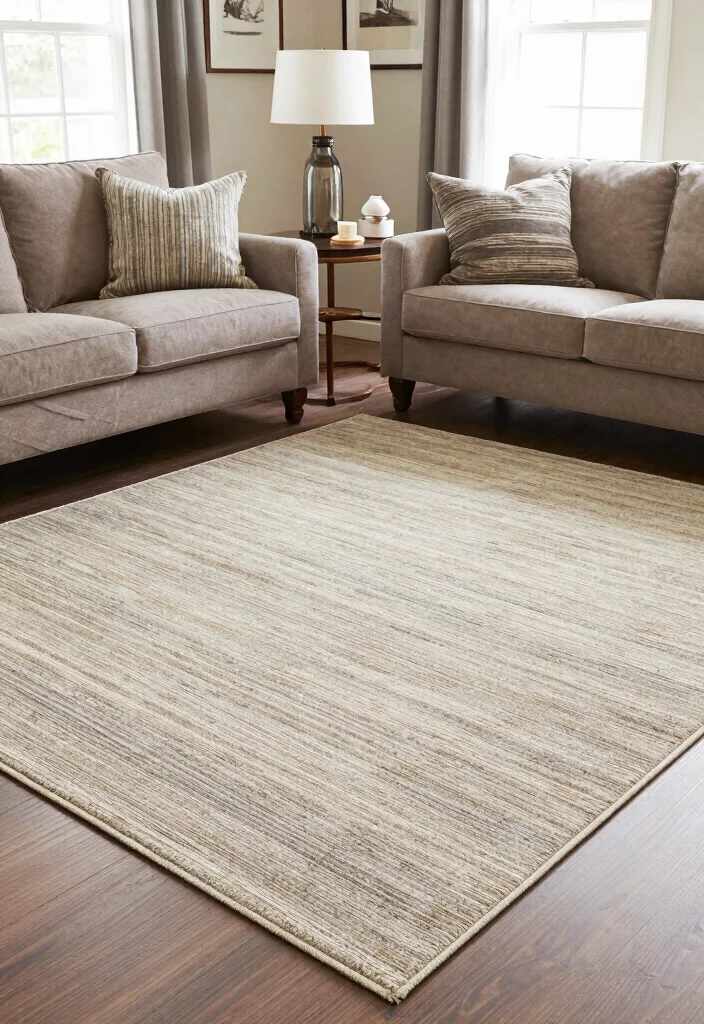
Achieving harmony in your living room involves thoughtfully coordinating your rug with your furniture. Choose a rug that complements the style, color, and material of your furniture to create a cohesive and inviting environment. This attention to detail ties the room together, elevating the overall design.
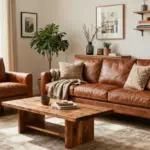
When selecting a rug, match its colors with accent pieces in your room to enhance visual interest. Ensure the size works well with your furniture layout, allowing for a balanced look. Consider how different materials interact; for instance, pairing a soft rug with sleek leather couches creates a delightful contrast.
Try these tips for coordinating your rug and furniture:
– Match rug colors to accent pieces for unity.
– Ensure the rug size complements your layout.
– Pair soft rugs with modern materials for balance.
This technique fosters a harmonious atmosphere, making your living room feel thoughtfully designed and well-composed.
16. Emphasize with Borders
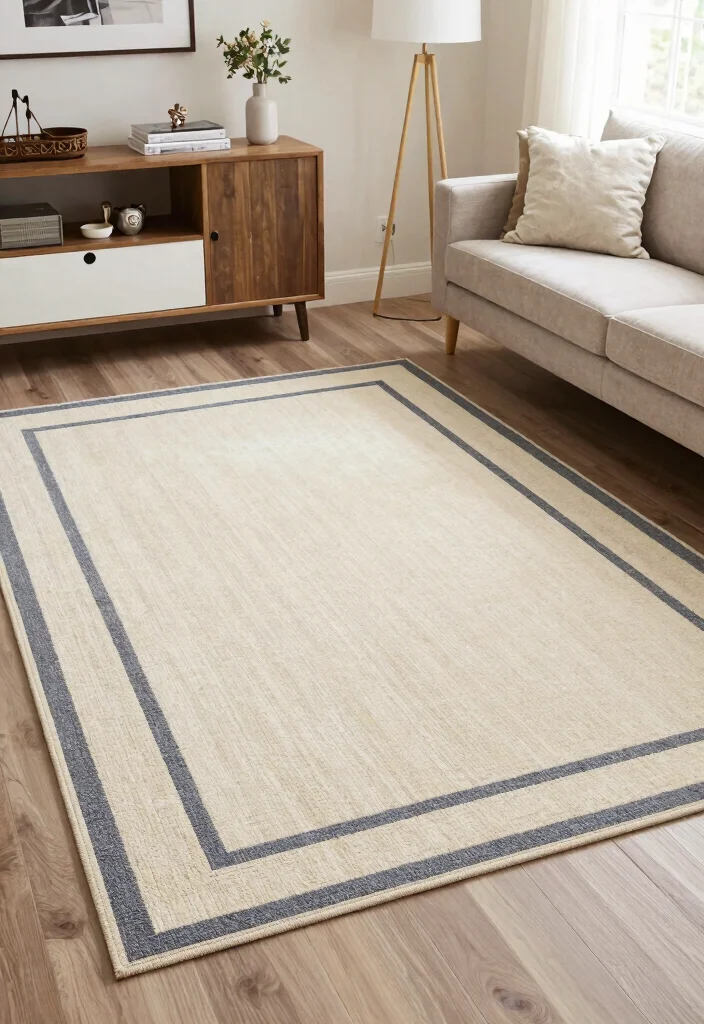
Rugs featuring borders draw attention and create a polished look in small living rooms. They help define the edges of your space, beautifully complementing your furniture layout and enhancing visual appeal. This design element can also give the illusion of a larger space by accentuating the rug’s size.
When choosing a bordered rug, select one that incorporates colors already present in your room for a cohesive feel. Border styles can vary from simple to intricate, allowing you to choose one that aligns with your decor style. The right border can elevate your design while maintaining clarity and focus.
Explore these tips for using bordered rugs:
– Choose a border that complements your room’s colors.
– Opt for intricate borders for a touch of elegance.
– Use borders to enhance the rug’s visual footprint.
This detail not only enhances the aesthetic appeal but also reinforces the overall cohesion of your living space.
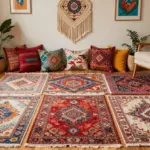
17. Mix and Match Patterns
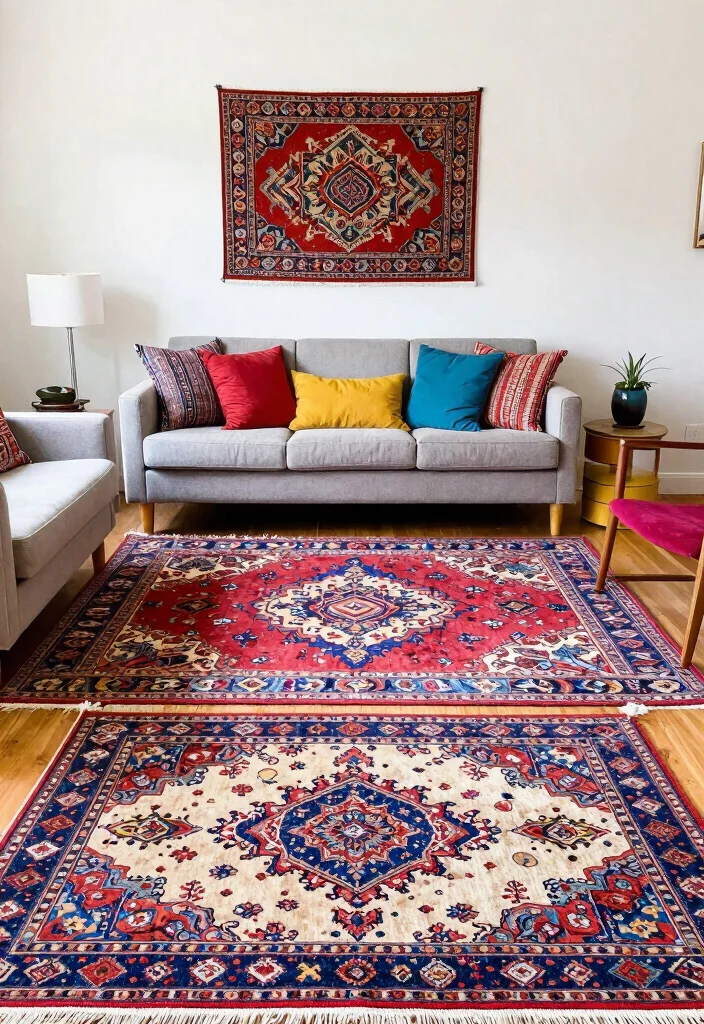
Don’t hesitate to mix patterns within your living room! Layering rugs with different designs can bring vibrancy and life to your space, even in limited square footage. This bold choice allows you to express your personal style while creating a lively atmosphere.
To successfully mix patterns, stick to a cohesive color palette to prevent overwhelming the room. Combine geometric patterns with floral designs for an exciting juxtaposition that adds character. Ensure that one rug has a dominant pattern to serve as the focal point, anchoring the overall design.
Implement these tips for mixing patterns:
– Use a cohesive color palette to unify your designs.
– Combine different styles for a playful look.
– Let one rug dominate to maintain focus.
This daring approach showcases your unique taste and infuses your living space with energy and charm.


18. Consider Practicality for Your Lifestyle
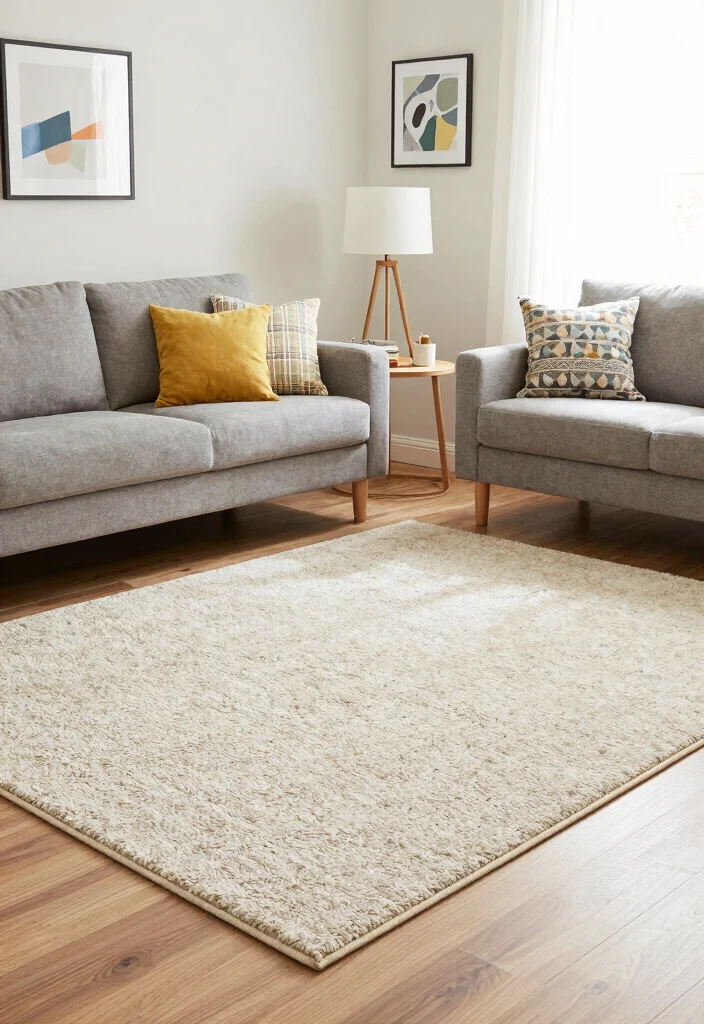
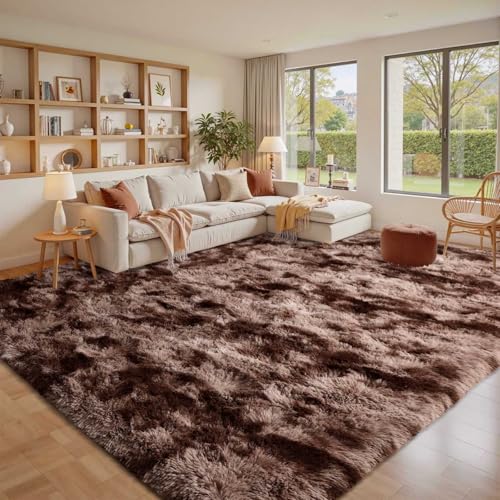
Ultimately, when selecting rug placement for your living room, it’s essential to consider your lifestyle. If you have pets or children, opt for a more durable, stain-resistant rug that can withstand daily wear and tear. This practical approach ensures your living area remains comfortable and functional without sacrificing style.
Look for rugs that allow for easy cleaning and maintenance, ensuring they fit your lifestyle needs. Consider the size that best suits your space, enhancing usability while maintaining a cohesive look. Think about how you will use the space and choose a rug that complements that experience.
Keep these tips in mind for practical rug selection:
– Opt for durable materials for longevity.
– Choose rugs that are easy to clean.
– Ensure the size supports your lifestyle needs.
Finding the right rug is about balancing style with practicality, ensuring your living room is a comfortable and inviting area.
Conclusion
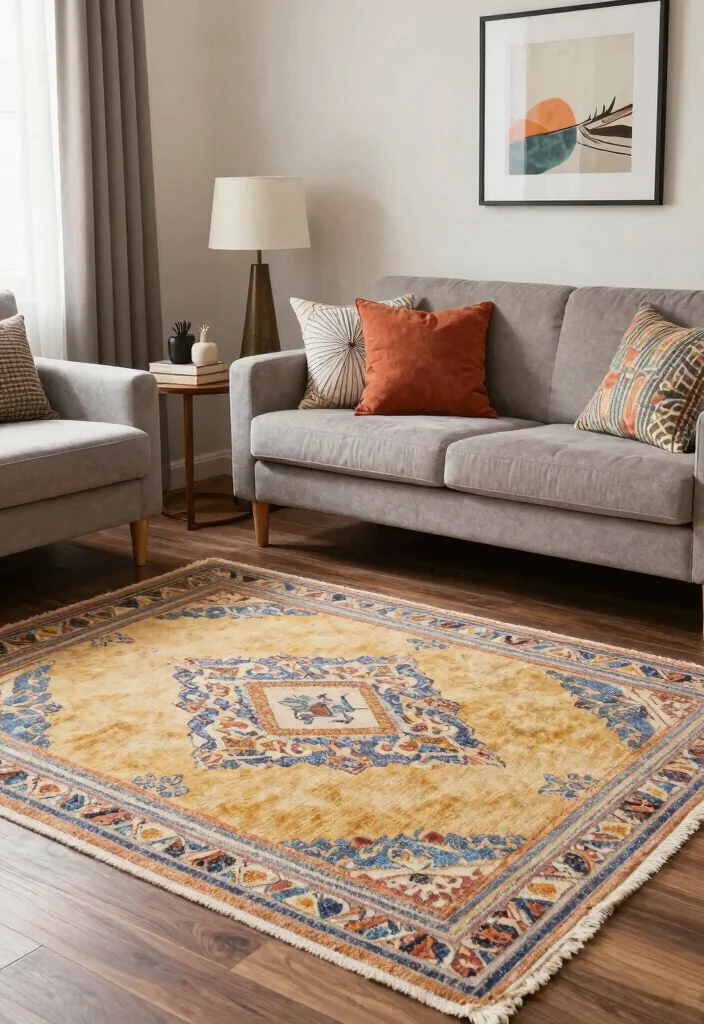
Rug placement can significantly change the vibe of your living room, especially in small spaces. With these 18 designer-approved tips, you can transform your living space into a cozy, stylish retreat. Remember to balance aesthetics with functionality, ensuring that your choices reflect your personal style while accommodating your lifestyle.
Get ready to experiment with textures, colors, and placements and watch your living room come to life!
Frequently Asked Questions
What’s the best way to choose the right rug size for rug living room placement in a small space?
Start with room and furniture measurements. For a small space, the seating area should feel connected by a rug: typically the sofa and any armchairs sit with their front legs on the rug, and ideally the rug extends beyond all sides of the seating so you can walk around it comfortably. Aim for about 8–12 inches of exposed floor beyond the furniture on each side if possible. This helps define the zone and keeps traffic flowing. Also choose a size that fits your layout—common options for compact rooms include 5×8, 6×9, or 8×10 depending on scale. Master the concept of rug living room placement to make the space feel larger and more cohesive.
Which rug shapes work best for small living rooms?
Rectangle rugs work well under rectangular seating, but round rugs can soften corners and visually expand a small area. For narrow rooms, try a long runner that runs beside or under the seating to elongate the space. Layering a smaller top rug over a larger base rug is another practical option for area rug styles. The key is scale: pick a shape that matches your furniture footprint and the room’s proportions.
How can I place rugs to improve traffic flow and avoid clutter in a small space?
Define zones with the rug as the boundary for the conversation area, and keep walkways clear—aim for at least 2–3 feet of clearance around the rug. Avoid placing a rug over door swings or in high-traffic entry paths. If you do have a door that opens into the seating, align the rug so the door can swing without catching. These rug placement techniques help maintain smooth traffic flow while still giving your space a polished look.
What color and pattern choices help a small living room feel bigger?
Light, neutral tones with subtle patterns make a small living room feel more expansive. Choose an area rug styles that has a soft base and low-contrast pattern, or a textured rug that adds depth without visually weighing the room. Coordinate with other living room decor elements and use accent colors in pillows and art to keep the space lively without clutter. This interior design tips mindset supports smarter home styling ideas.
How do I layer rugs safely on a hard floor for a small living room?
Start with a large flat base rug that defines the seating area, then layer a smaller top rug using a non-slip rug pad to prevent shifting. Make sure the top rug’s edges align with the furniture and don’t create a trip hazard. Use a quality non-slip underlay on hard floors, and if layering, keep the top rug slightly smaller than the base rug for a clean, safe look. These rug placement techniques keep the space designer-approved, comfortable, and safe.
Related Topics
home decor
rug living room placement
small spaces
designer tips
area rug styles
living room decor
interior design tips
rug placement techniques
beginner friendly
modern design
cozy aesthetics
easy updates