A Mediterranean kitchen can run from a quart of ochre paint and a weekend to Venetian plaster walls and a mason on site for a week.
What decides which idea is yours is how much you can change: paint and bar stools move with you; arched doorways and exposed beams stay with the house.
I would seal Saltillo tile twice before grouting and again after, since unsealed terracotta drinks red wine on contact, but that only matters if you are allowed to rip out the floor.
1. Earthy Color Palette

Warm, natural tones ground a Mediterranean kitchen more than any single fixture. Pale taupe-grey cabinets against white counters and a veined marble backsplash stay grounded with brass hardware and a floating wood shelf so the palette does not go flat.
I would start with the cabinet color and build outward, since paint is the cheapest mistake to fix.
Check your light before you commit: north-facing rooms turn taupe cold, so you may need to shift toward ochre or terracotta to keep the warmth alive.
Kitchen ideas really vary between style, but Mediterranean kitchens add an abundance of warmth and character to a scheme, and offer the versatility to embrace traditional charm or a more modernized interpretation.

⭐【Ample Storage Space】Are you still worried about the messy utensils? Now the buffet cabinet can help you keep your dining area tidy and organized. You can place nice-looking cups on the 2 open shelves, and use inside shelves(3 adjustable height) to store canned and boxed foods, plates, and table cloths. Ideal for bread maker or microwave oven on the spacious tabletop.

Multi Functional and Practical ❥❥❥This sideboard cabinet was designed with practicality in mind, dedicated to providing convenience for your life. Buffet cabinet with storage are not limited by usage scenarios and can be installed anywhere in the home. This small cabinet can not only be used as a dining cabinet, but also as a kitchen cabinet, entrance cabinet, or coffee bar cabinet according to your needs.

Ample Storage Space: The buffet cabinet incorporates both open and closed storage space to meet your different needs. Spacious tabletop can place items for easy access, three handy drawers help classify knives and forks neatly, while two bottom cabinets each with internal shelf offer smart space to accommodate mugs, extra dishware, and other essentials
2. Modern Appliances with Rustic Finishes

A tiled range hood and stove sit inside dark wood cabinetry and white counters, with lantern pendants overhead.
The mix works because the appliances read as tools, not statements, and the wood surrounds them without apology. I would keep the rustic finish on the cabinetry matte or hand-rubbed oil, not glossy, since shine fights the aged look.
The step worth attention is the range hood: a tiled surround like this one needs a structural box behind it, so plan for that in the cabinet order, not after installation.

【Under Cabinet Range Hood with Slim Design】With the slim and stainless steel body, this range hood 30 inch under cabinet is space-saving and easy to install. The rocker button can control 2-speed wind speed and LED lighting, which is easy to operate. Product Size: 29.9 inch x 17.5 inch x 4.7 inch( L x W x H). (Hardwire installation, plug sold seperately Part#ZMS-3976-PC)

【Powerful 400 CFM Suction】This 30-inch under cabinet range hood delivers a robust 400 CFM airflow, effectively capturing smoke, grease, and cooking odors to keep your kitchen fresh. Hard-wired installation (plug not included) for a clean.

4-WAY CONVERTIBLE DESIGN: 3.25-inch ducted vertical, 10-inch ducted horizontal, 7-inch round, and non-ducted
3. Solid Wood Cabinetry and Accents

Natural wood cabinets with open corner shelving against a snowy view give this kitchen its weight. Solid wood moves seasonally, so the grain you see now will gap slightly in dry winter air and swell in summer humidity.
I would choose quartersawn white oak or hard maple for stability, and I would skip the open shelving unless I owned the dishes I wanted to display.
An arched wood doorway is a load-bearing detail; if you are adding one, check whether your header needs engineering before you cut the opening.

MEASUREMENTS: Measurements are EXACT. This replacement raised panel kitchen cabinet door measures 14.5-inches Wide, 14-inches high, and 3/4-inches thick

MEASUREMENTS: Measurements are EXACT. This replacement raised panel kitchen cabinet door measures 24-inches Wide, 12-inches high, and 3/4-inches thick
MEASUREMENTS: Measurements are EXACT. This replacement raised panel kitchen cabinet door measures 16.25-inches Wide, 29-inches high, and 3/4-inches thick
4. Large Windows

The size matters more than the style: this one runs the full width of the counter, so the sink sits dead center beneath it.
I would check my lot lines before ordering glass this large; a window facing west brings afternoon glare that white marble-look counters will throw back into your eyes.
The runner rug on the marble floor is a practical add, since bare stone gets cold and loud.

Includes 12 Pieces per Case | 5.16 Square Ft. Per Case | Case Weight 34.8 lb |TILE SIZE: 8 in. W x 8 in. L x 0.55 in. T

12-IN BY 12-IN TUSCAN DESIGN - The tuscan pattern bring distinctive style and personality to your space.

Mediterranean Floral Mandala Style: These peel and stick vinyl floor tiles feature a gorgeous floral medallion in vivid blue, white and yellow. The elegant pattern complements Mediterranean, coastal and boho interior styles, adding artistic flair to your home decor.
5. Venetian Plaster Walls
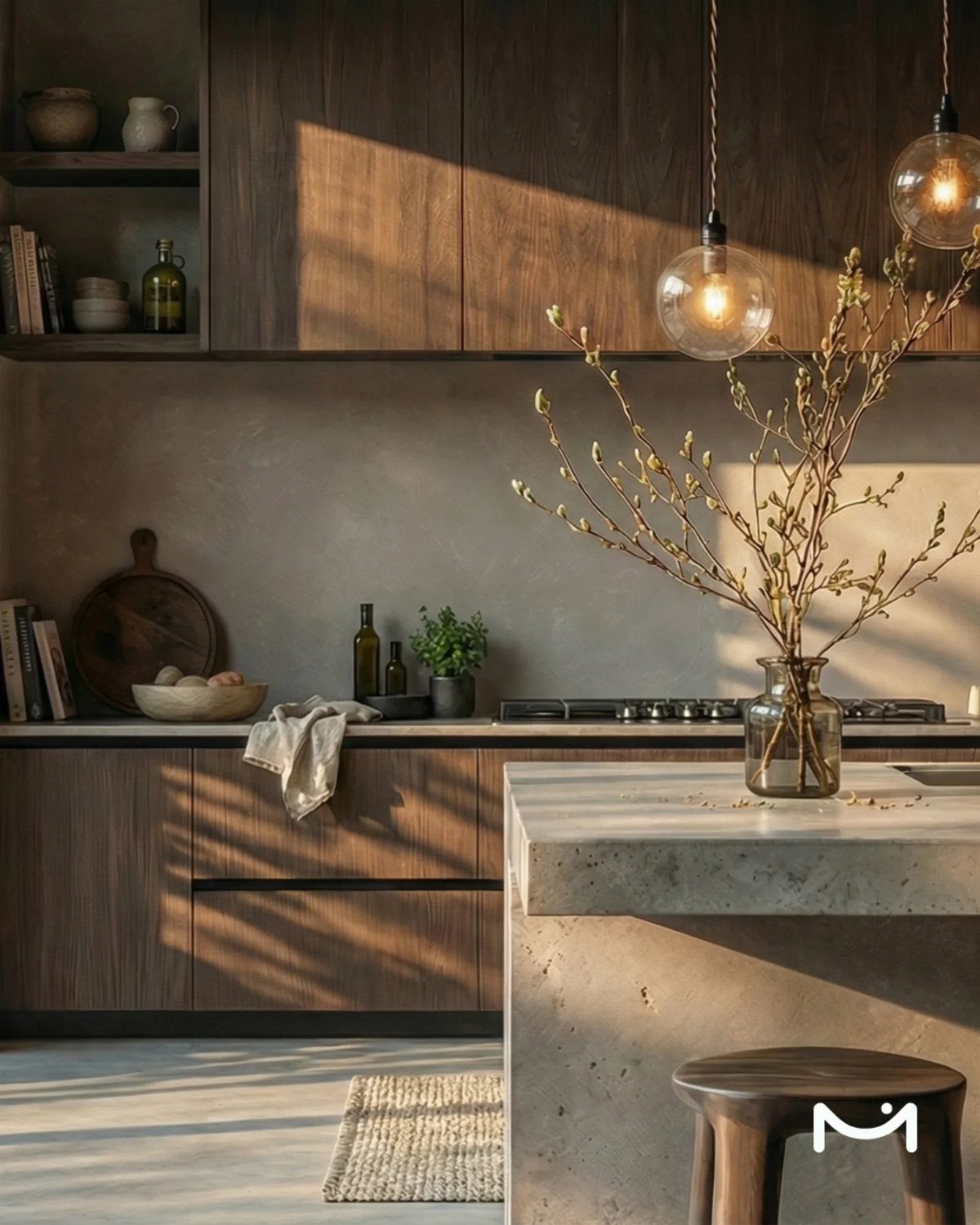
Textured plaster walls catch sunlight and shift color through the day, which is the point of Venetian plaster over flat paint. Warm plaster against dark wood and a thick stone island acts as a third material without adding weight.
I would budget for a skilled applicator; this is lime putty and marble dust burnished in thin coats, not a roller job, and the corners show the hand work.
A DIY lime wash is the fallback if the quote for a pro runs too high for a single kitchen.
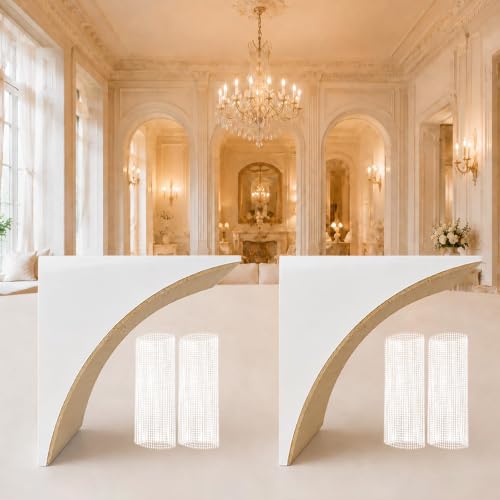
【Universal Arch Kit for Any Doorway】 This DIY doorway arch kit includes 2 pre-curved wooden arch moldings (8.5"x8.5"x5", White). Easily upgrade any square or rectangular opening (e.g., living room arch, kitchen doorway, hallway entrance) into an elegant rounded arch, adding timeless architectural charm without a full renovation.

Solid Wood Material: crafted from natural wood, this arch corner kit offers durability and a smooth finish; Ideal for doorway arches, wall molding, and interior renovation, it resists warping and cracking for long-lasting architectural upgrades

Solid Wood Material: crafted from natural wood, this arch corner kit offers durability and a smooth finish; Ideal for doorway arches, wall molding, and interior renovation, it resists warping and cracking for long-lasting architectural upgrades
6. Hand-painted Tilework
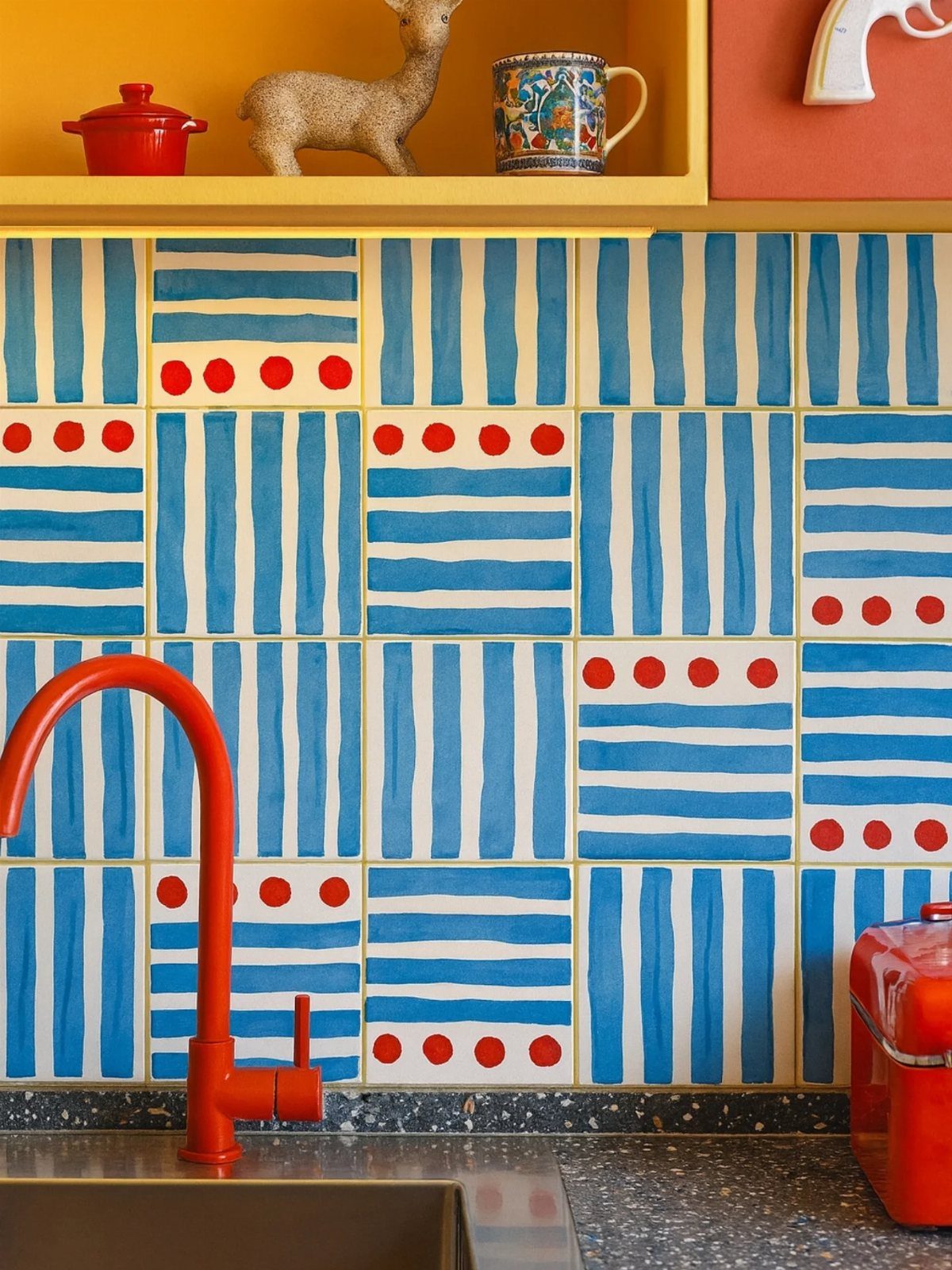
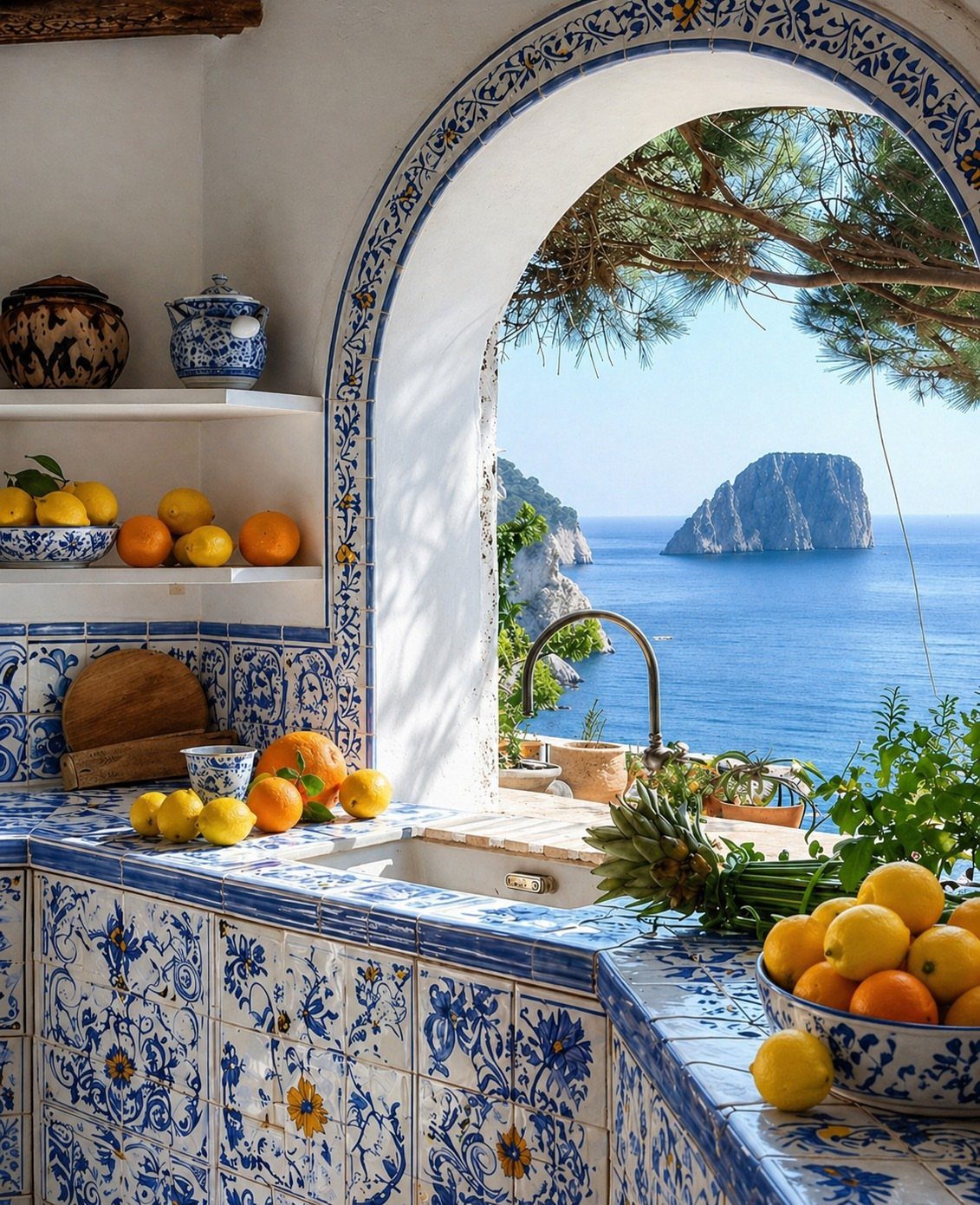
Hand-painted tile is the detail that signals Mediterranean most directly. I would order extra for cuts and future repairs, since custom glaze lots vary and a single cracked tile in year five can mismatch if you skimped.
The orange-red faucet against this field is a choice I would not have made; brass or unlacquered copper would let the tile hold the attention instead of fighting for it.

【Versatile Tall Cabinet】The elegent tall cabinet with ample storage space can be placed in kitchen, living room, bathroom, or hallway. Without too much elaborate ornamentation, it will become the optimal choice of contemporary furniture.

Large Storage Space: Featured four doors cabinets with one sizeable fixed shelf and two side adjustable shelves with which you can flexibly pack away various household items, and three drawers allow other kitchen overflows to stay in order, this buffet cabinet is sure an essential addition to any loft apartment

Large Storage Space: Featuring an extra tall space-saving structure with 60" wide table top, 4 concealed cupboard storage each with easy-glide drawer, this modern buffet cabinet keeps things organized and tidy while serving your guests in style. Overall Size: 15.75" D x 60" W x 36.02" H
7. Saltillo Floor Tile

Terracotta Saltillo tile is porous, soft, and hand-formed, so the surface stays slightly uneven even after sealing. I would seal it twice before grouting and again after, since unsealed terracotta drinks red wine and olive oil on contact.
The warmth against dark wood cabinets and a marble island is what sells it; the maintenance is the trade-off. Check your slab level first: lippage shows on soft tile more than on porcelain.

𝟑𝟎" 𝐏𝐎𝐖𝐄𝐑 𝐓𝐎𝐖𝐄𝐑 𝐑𝐀𝐍𝐆𝐄 𝐇𝐎𝐎𝐃𝐒: Transform Your Kitchen with Dark Elegance. Pyramid design maximizes space efficiency with 450CFM suction. ETL certified for safety

Modern Design: IKTCH Wall Mount Range Hood is made from stainless steel, which has an elegant appearance and comes with remote control. The novel gesture sensing function gives you a whole new experience
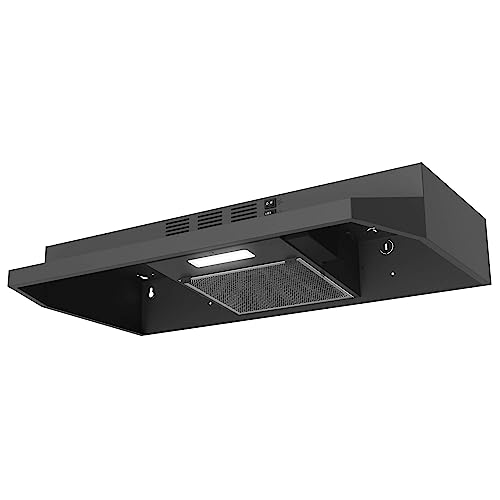
【SLIM & SPACE-SAVING】: Range Hood dimensions: 17.5"L*29.9" W*4.7" H. This SNDOAS cabinet range hood at only 4.7 inches thick, its slim design not only saves valuable kitchen space but also adds a modern touch to your kitchen decor.
8. Copper Lighting Fixtures

Three pendants in aged copper over an island give task light and patina in one move.
Copper darkens to brown, then green if you let it; unlacquered copper is the choice if you want that living finish, lacquered if you do not.
I would hang them low enough to cast real light onto the counter without blocking sightlines across the kitchen, measured to the bottom of the shade, and put them on a dimmer since copper reflects warm at full brightness.
The chain suspension here adds adjustability, which matters if you ever swap the island height.

UNBOX THE PROFESSIONALISM with FastCap's self-adhesive cover caps. Crafted from real wood, each package contains 1 sheet of 90, 3/8" round stickers to seamlessly enhance your woodworking, cabinetry, and furniture projects.
MEASUREMENTS: Measurements are EXACT. This replacement raised panel kitchen cabinet door measures 14.75-inches Wide, 22.5-inches high, and 3/4-inches thick
MEASUREMENTS: Measurements are EXACT. This replacement raised panel kitchen cabinet door measures 17.75-inches Wide, 23-inches high, and 3/4-inches thick
9. Small Herb Gardens in Pots

Terracotta wicks moisture away from roots, which is why rosemary and thyme do well in it on a sunny counter. Three pots on a tray contain drips and give you one object to move when you need the workspace back.
I would pick plants I actually cook with; basil flags fast without light, so a north-facing kitchen is better suited to parsley or mint. The tray is the detail that keeps this from looking accidental.

Red and white marble peel and stick floor tiles by Chris Loves Julia x FloorPops

BISCOTTO DESIGN - Black tones and the biscotto pattern bring distinctive style and personality to your space.

FP2477 FONTAINE DESIGN - Blue tones bring distinctive style and personality to your space.
10. Hanging Copper Cookware Displays

A wooden shelf rail bolted to studs holds the weight of copper pots better than a ceiling hook does, and the shelf itself gains use for lids or books.
I would polish only the pieces I use; display copper dulls to a soft brown that reads as warmth, not neglect.
The black stove below sets off the color, so this works best where the cooking surface is dark enamel or cast iron, not stainless.

Natural appeal: wood trim decor features a smooth, unfinished surface that reveals natural wood tones, infusing spaces like bedrooms, cafes, and studios with warmth and handmade charm,fan shaped wooden trim,window molding trim
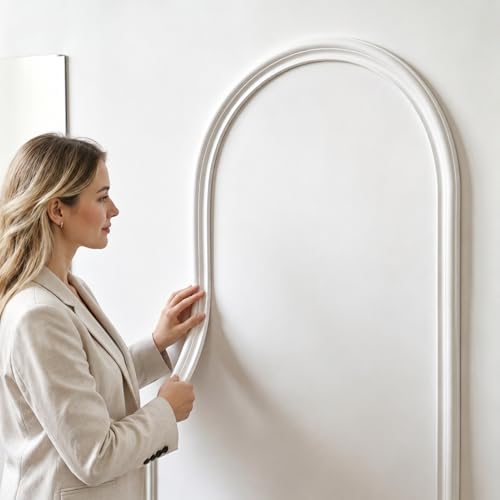
Flexible & Bendable Design for Curves: Crafted from durable PVC material, this versatile Trim effortlessly adapts to curved, arched, and irregular edges. Perfect for enhancing archways, round corners, ceilings, and custom wall frames, it provides a polished look while ensuring easy installation and a seamless finish. Ideal for your home improvement projects.
Flexible & Bendable Design For Curves: Made from high-quality PVC material, this trim easily bends to fit curved, arched, and irregular edges. Ideal for decorating archways, round corners, ceilings, and custom wall frames with a seamless finish
11. Exposed Brick Base Cabinets

Brick base cabinets are masonry, not furniture: built in place, grouted, and topped with stone. The open shelving here is corbel-supported brick, not wood brackets, so the whole corner reads as one material system.
I would budget for a structural check if you are converting existing cabinets; brick needs a footing, and standard cabinet toe-kick framing will not carry it.
The blue granite against orange brick is a strong pairing; a quieter stone would let the texture hold the room.
12. Exposed Wooden Ceiling Beams

Beams in a plaster ceiling need engineered attachment, not decorative nailing: the plaster is brittle, and the beam’s weight must transfer to structure above.
I would keep the wood unfinished or oiled, since paint turns a beam into a stripe and loses the age.
The archway here frames the view and hides where the plaster meets the beam ends; if you are adding beams to a flat ceiling, that junction is where the job shows, so plan the trim detail before you lift the wood.
13. Arched Doorways and Architectural Openings

I would draw the radius full-scale on plywood before the mason cuts the form, since a flat spot at the crown reads as a mistake from across the room.
The niche with floating shelves works the same way: corbel the back wall, not the shelf itself, so the plaster face stays clean. Check your ceiling height first; a low arch feels like a tunnel, not a doorway.
14. Rustic Wooden Island

A weathered island against cream cabinets gains its place by contrast in tone, not by matching.
The butcher block top here is end-grain or thick plank, not veneer; that depth of wear takes decades or a belt sander and a dark stain wiped back.
I would seal with hard wax oil, not polyurethane, so the next dent adds character instead of a white scar. The vase and plant on top are doing real work; without something alive or handmade, the piece goes museum.
15. Outdoor Mediterranean Cooking Station

Open shelving beside a grill holds what you need at hand and what you do not mind weathering.
Shallow cubby depth keeps bowls forward and visible; deep storage would hide the pottery and collect grease. I would build the counter height to the grill, not standard kitchen, since outdoor cooking is standing work.
The lemons are a detail that signals use; without them, the station looks staged. Run power for a fridge drawer if the budget allows, but the firewood shelf needs no electricity and no moving parts.
16. Wicker Bar Stools and Accents

Wicker at a kitchen island survives only if the weave is tight and the seat is stained, not raw; grease and water find loose cane fast.
The stools here are backless, which tucks under the counter and keeps sightlines open across the room. I would choose rattan over paper fiber, since the latter swells and sags in humidity.
Two pendants over an island this size means the light pools between them; three would be better for task work, but two keeps the ceiling calmer.
The pitcher of greenery is the right scale; a small plant would be lost, a tall one would fight the sightline.
17. Woven Pendant Lighting

A woven shade this large needs a heavy chain and a ceiling box rated for the weight; rattan looks light but gathers dust and holds it.
The cone shape directs light down and leaves the perimeter dim, which suits a kitchen where the under-cabinet LEDs do the real work.
I would keep the weave open enough to see the bulb shape through it; a tight weave turns the pendant into a lantern and loses the texture that justifies the choice.
The light wood cabinets around it keep the whole ceiling from going dark; in a room with stained wood or painted cabinets, I would pick a lighter fiber or a smaller diameter.
Maximizing Natural Light
Large windows are the obvious move, but their placement decides whether the light helps or hurts the work.
A window directly behind the stove throws your own shadow onto the pan; one to the side of the prep area gives even shadow and lets you see color in food.
If your kitchen faces north or sits under deep eaves, artificial light has to carry more weight. Rustic iron chandeliers or antique ceramic lamps give the warmth that overhead LEDs miss.
I would put the chandelier on a dimmer and use the ceramic lamp where I actually stand to chop, since a beautiful fixture that leaves the counter dark is decoration, not lighting.
I care more about the quality of light than how much of it there is; Mediterranean kitchens read bright because the surfaces are warm, not because the wattage is high.
Balancing Modern and Traditional Elements
Panel-ready appliances let you cover the dishwasher or fridge with cabinet fronts, which is the cleanest way to hide modern machinery inside a Mediterranean kitchen.
The panel order is what trips people up: appliance fronts need exact dimensions months before install, and a quarter-inch mismatch shows at the hinge line.
I would measure twice and order once, or accept that stainless steel reads as honest tool and skip the panel cost.
The balance works when one element is allowed to be new. Subway tile, a custom hood vent, wood plank ceiling, and white counters give you a base that leans rustic already.
From there, ceramics and mixed metals push the style toward Mediterranean without tearing out the bones. I would add the traditional furniture last, since a table is easier to swap than a ceiling.
Frequently Asked Questions
What is Mediterranean kitchen style?
A Mediterranean kitchen is built from warm, natural materials that feel aged and used: hand-formed terracotta, solid wood with visible grain, burnished plaster walls, and hand-painted tile.
The palette stays earthy, ochre through terracotta to warm grey, with brass or copper metals that darken over time.
It is not a clean, minimal look; the surfaces are textured, the lines are slightly irregular, and the overall effect reads as a working kitchen that has been there for decades.
What colors are typically used in a Mediterranean kitchen?
The palette runs warm and earthy: ochre, terracotta, sandy beige, olive green, and a grey-taupe that reads more stone than steel.
Some Mediterranean kitchens also pull in bright yellow or blue, but used as accents against the earthy base, not as wall-to-wall statements.
What are the best countertops for a Mediterranean-style kitchen?
Natural stone or stone-look surfaces are what fit: white or veined marble, marble-look quartz, or a quiet granite. I would keep the tone light to balance dark wood cabinets and terracotta floors.
White marble-look counters throw back hard afternoon glare through west-facing windows, so check your light before you commit. A solid stone slab gives the weight and coolness that the style needs against all the warm wood and plaster.
What makes a house Mediterranean-style?
A Mediterranean house connects indoor and outdoor living, uses natural materials that weather visibly, and favors arched openings, textured plaster walls, and terracotta or stone floors.
In the kitchen specifically, this translates to large windows, possibly an outdoor cooking station, and materials like wood, stone, and hand-painted tile that feel tied to the region.
The style emphasizes communal spaces and a sense of age, not crisp newness.