

These ideas run from a wire sponge caddy to a full corner drawer retrofit, and the one that belongs in your kitchen depends on whether you cook every day or mostly on weekends.
A daily cook needs the pull-out appliance shelf and the over-sink caddy within arm’s reach; a weekend project person gets more mileage from the mail sorter and the tiered produce stand that rethinks storage without a single drawer retrofit.
The rotating dispenser with its narrow chute for split peas and wider opening for rigatoni shows how specific these solutions get once you match the habit to the hardware.
1. Appliances Stored in Cabinets

Small appliances eat counter space fast. Pull-out wire shelving in a lower corner cabinet lets you park a mixer or toaster where you can still grab it daily.
Before you commit, measure your tallest appliance with its lid or bowl attached; that height sets your shelf spacing.
I would check whether the cabinet door swings clear of the pull-out track, since a tight corner can bind. If your cabinet is deep and dark, add a battery puck light so you are not fishing blind.

RUSTIC DESIGN: Features a warm wood-grain finish top paired with a sturdy black metal frame and wire mesh basket shelf, adding industrial charm to any kitchen or pantry

SPACE SAVING ORGANIZER: Slide out cabinet organizer for base cabinets in your kitchen, pantry, bathroom, or laundry room to make your items easier to access

RUSTIC DESIGN: Features a warm wood-grain finish top paired with a sturdy black metal frame and wire mesh basket shelf, adding industrial charm to any kitchen or pantry
2. Give Every Item a Proper Home

Open shelves with plate racks and risers turn one shelf into two usable surfaces.
Bowls and dishes sit in assigned slots, so nothing wanders onto the counter looking for a spot. I would start with the items I reach for most, give them the prime real estate, and move the rest up or down.
Wooden racks are one way to do it; wire or acrylic works if you prefer to see the full lip. The real test is whether every piece has a slot that is easier to use than the counter.

Efficient Storage Solution: Our bamboo plate rack dish stand holder,available in a convenient set of 2 packs, Weight limit is 80 pounds,offers a smart and Eco-lovely way to organize your kitchen essentials. With a rack provides ample space for your plates, bowls, cups, cutting boards, and even books

SPACE SAVING: Make full use of your storage space in the cabinet. 3-tiered design, perfect storage solution for stacking plates, bowls, cups, etc.

【Versatile Functionality】: Measuring 11.8" x 4.73" x 3.9", this compact bamboo rack is perfect for small cabinets and limited countertop space. Designed with 6 slots, it can hold up to 6 plates, pot lids, cutting boards, or cups. Beyond the kitchen, it also works great as a stand for books, tablets, or even laptops—offering flexible organization wherever you need it.
3. Tackle Mail and Loose Papers

Mail lands on the counter because no other spot is easier. A tabletop sorter with labeled vertical slots fixes that by making the drop as quick as the pile.
Labels like "TIMELY ACTION" and "COUPONS" are a starting point, though I would trim to what actually shows up at your house; too many slots and the system collapses from upkeep.
Pick a sorter depth that fits your typical envelope size, and park it where you already stand to sort, not across the room. A mesh pouch is a smart add for pens or stamps you need at the same moment.
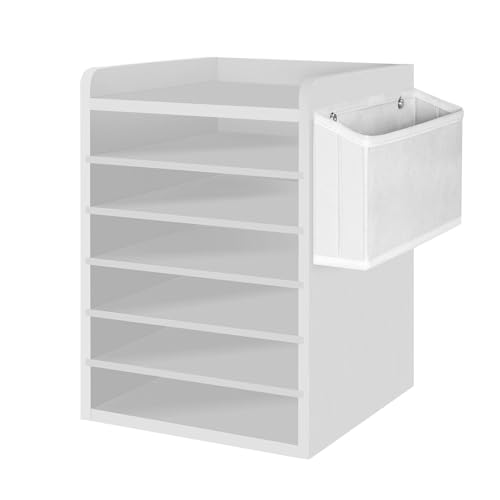
Paper Organizer with Side Pocket: This literature organizer features a side storage pocket, offering additional space to keep your desk or countertop neat. It's a practical solution for maximizing space in offices, home, and classrooms

Partitioned Storage: This office mailbox features the left and right partitions to provide various storage solutions. You can store documents and envelopes neatly on the left shelf, or place thick folders vertically in the right compartment for easy access

[Sturdy & Strong] SUPEASY mail organizer is crafted from high-qualified MDF, something that's going to last long. The surface of this paper organizer is well-polished, making it smooth, scratch-resistant, waterproof, and easy to clean. The whole frame of this office desk organizer is so strong that it can hold a lot of weight for your desk organization.
4. Create Functional Vignettes
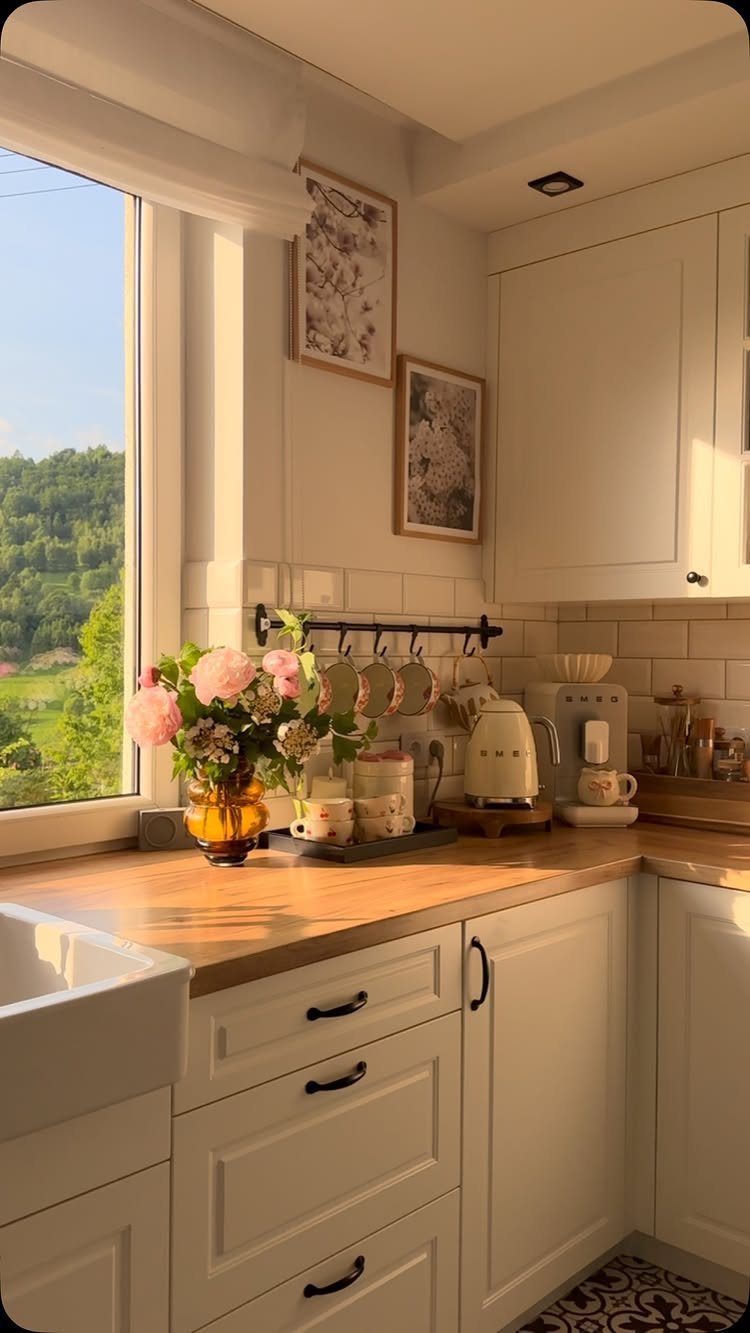
A tray, a kettle, and a small vase grouped on wood counters make a corner feel intentional without adding clutter.
Everything in the vignette shares a single tray or surface, so the group reads as one object, not three loose items.
I would limit myself to what I use in that exact spot daily; a kettle you walk past for morning coffee earns its place, a decorative bowl you never fill does not.
Keep the footprint small enough that prep space still opens up on both sides when you need it.

🙋🏻♀️💖🙋🏼♂️ PROUD NORTH AMERICAN SMALL FAMILY BUSINESS - known for quality and excellent customer service. This wooden corner tray for kitchen counters is a gorgeous blend of rustic elegance and practical design. Use it as a corner riser for kitchen counter styling or organization. We hope that you love using this pretty wood corner counter shelf to organize and beautify your space as much as we do! Thank you for supporting small businesses by getting your very own Felt Creative Home Goods beaded corner pedestal stand for countertop display!

【 Cabinet Plate Organizer 】This adaptable kitchen corner shelf helps you make the most of your kitchen space. Bambooplates organizer help you easily place plates and bowls, and store spoons and other kitchenware. Is an indispensable kitchen countertop organizer!
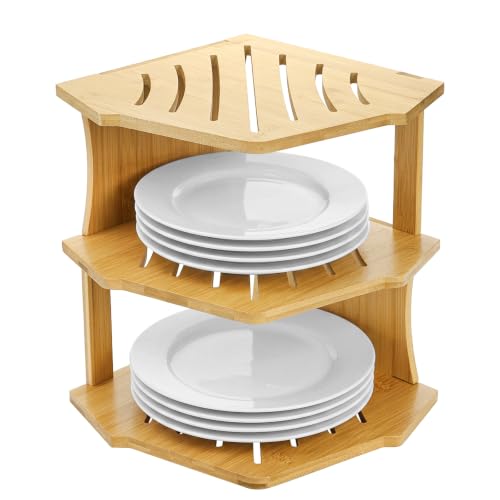
3 Tier Bamboo Corner Shelf: Include a 3-tier free-standing corner cabinet rack, measures 8.8" L x 8.8" W x 11.5" H. The heavy duty structure allows for storage of more items, create more space in your cabinets and counter with this 3 tier shelves
5. Corner Drawers for Utensil Storage
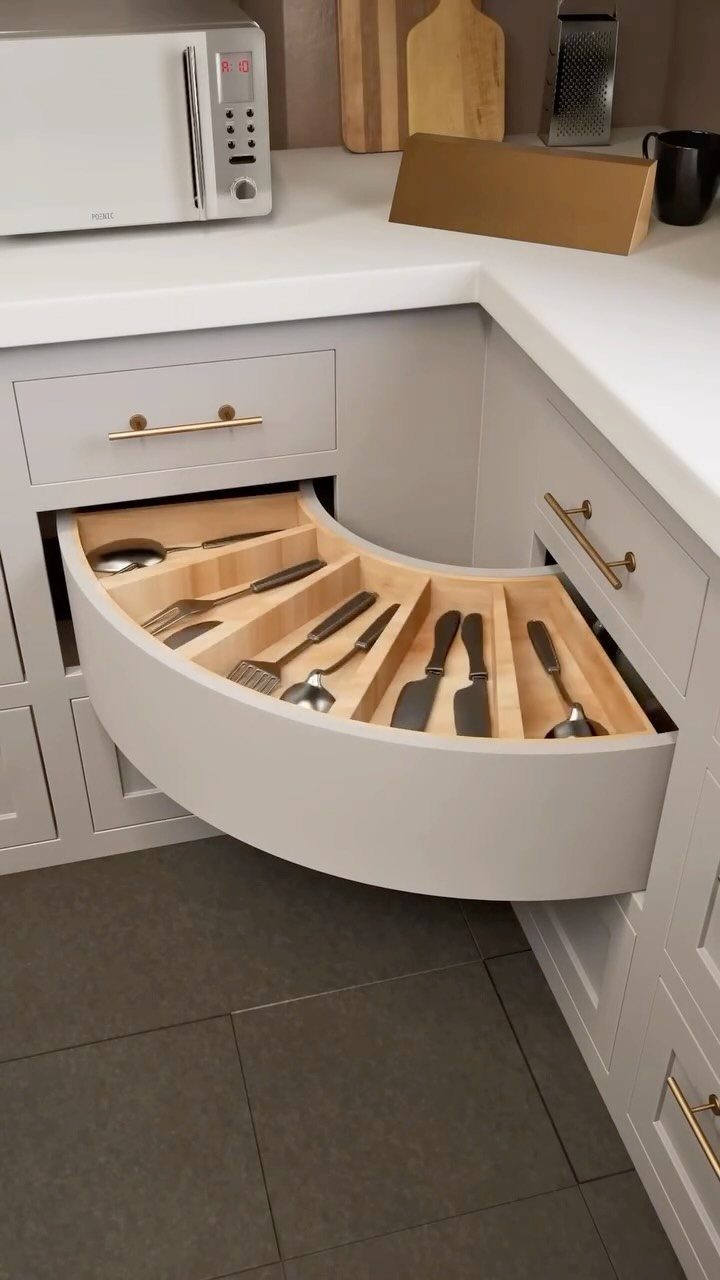
Corner drawers with curved fronts turn dead cabinet space into flatware storage that keeps the counter clear. Custom-fit wooden dividers follow the drawer’s arc, which matters because standard square trays leave gaps at the wings.
I would check whether my cabinet box can accept the curved slide hardware; some older frames need a retrofit bracket. Everyday-grade silverware belongs here, not the set you save for guests; this spot is for the forks you actually use.

Rotating Spice Rack: to help you create a neat spice storage station, our set includes one rotating seasoning rack, 16 empty glass spice jars, 16 clear round labels with different common spice names, and one clear funnel; It's a complete set and easy to use

4-MODE PRECISION DISPENSING LID — Each of the 20 jars features an innovative rotating lid with 4 settings: single hole for whole spices & peppercorns, 3-hole sifter for flakes & herbs, multi-hole sifter for fine powders & salt, and fully sealed to lock in freshness. The right pour every time — zero mess, zero waste, total control.

Seamless 360° Rotation: The turntable base of this rotating spice rack glides smoothly, allowing effortless access to spices, seasonings, or sauces from any angle. The non-slip design ensures stability during rotation, while raised edges act as protective barriers, making it ideal for kitchen countertops or cabinets.
6. Over-the-sink Sponge Caddy

A wire caddy hung over the faucet keeps sponges and scrubbers above the sink basin, not pooled on the counter.
A simple looped design slips onto the faucet neck; I would check my faucet diameter against the product specs before ordering, since gooseneck and pull-down styles vary.
Steel wool and cloth both need air to dry, and this spot gets more circulation than a counter dish.
I prefer wire to silicone caddies here; the gaps let water run straight through instead of collecting a film you later have to wipe.

Two-Tier Cabinet Pullout Organizer: This pullout cabinet organizer system measures 14.75"W x 22"D x 19"H, with a frame height that adjusts from 16.25" to 19". It includes (2) sliding chrome steel wire baskets and mounting hardware.

Single-Tier Cabinet Pullout Organizer: This unit includes (1) steel wire basket measuring 11.5"W x 19.75"D x 5.56"H. It is designed for base cabinet openings from 11.5" to 15" wide.

1 Tier Sliding Wire Basket: Organizing your cabinet space just got easier with the OCG slide out cabinet organizer. Now you can make the most of cabinet space and easily access all your pots, pans, small kitchen appliances, cleaning products, canned goods, and other items.
7. Rotating Countertop Food Dispenser
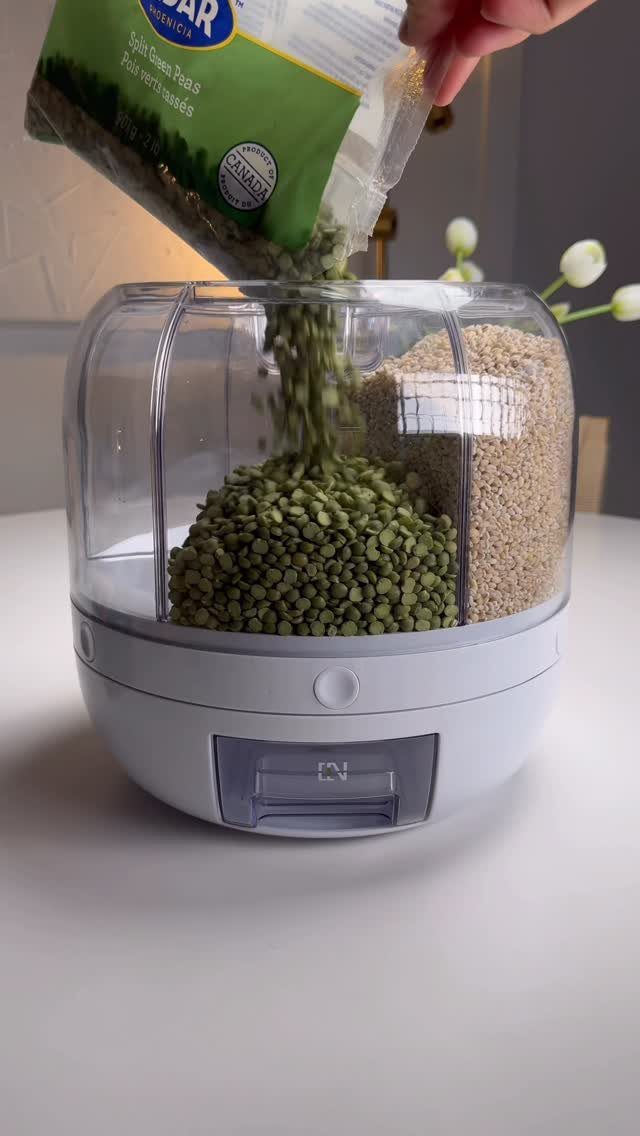
A rotating dispenser with clear compartments keeps dry goods visible and within reach without spreading bags across the counter.
The rotation matters most when the unit sits against a backsplash; you need to swing the compartment you want to the front, not pull the whole thing forward.
I would check the footprint against my prep space before buying, since a dispenser that crowds your cutting board defeats its own purpose.
Split peas move through the narrow chute cleanly; larger pasta shapes like rigatoni or fusilli need a wider opening or they jam at the turn.

【VERSATILE MULTI‑PURPOSE DESIGN】: Boasting compact dimensions of 11" x 4.5" x 3.9", this sturdy bamboo storage rack fits neatly inside narrow cabinets and crowded countertops. Built‑in with 6 dedicated slots, it securely stores up to 6 pot lids, dinner plates, cutting boards or drinking cups. Not limited to kitchen use, this practical holder can also organize your books, tablets and small laptops, bringing tidy storage solutions to any spot around your home.

【Premium Solid Teak Construction】: Crafted from high-oil plantation teak for exceptional durability, natural waterproofing, and resistance to damp; develops a richer, more beautiful patina over time.

Versatile Multi-Purpose Storage: This 14" dish rack is designed to store and dry dishes, cutting boards, pots, pot lids, food container lids, cups, bakeware, and can even be used as a book organizer, maximizing storage space in your home.
8. Wall Mounted Paper Towel Holder

Mounting a paper towel holder to the wall frees the counter entirely, and pairing it with foil and wrap dispensers turns one installation into a full station.
A white holder on a black wall reads as a deliberate graphic choice, but against my own warm gray cabinets I would pick brass or white so it does not float there like a repair.
Check stud placement or use toggle bolts; a loaded roll plus wrap dispensers carries more weight than a simple towel bar.
I prefer the wood panel version shown to all-white plastic; it handles kitchen grease better and does not yellow at the edges.

ORGANIZED & CLUTTER-FREE : Stay on top of bills, envelopes, and letters with this mail organizer countertop. Designed to keep documents tidy, this desktop mail organizer ensures your home or office remains clutter-free.

【Exquisitely Crafted Letter Sorter with Labels】This mail holder countertop is made of 100% solid wood for long-lasting durability and years of use. The letter holder is simple to clean with just wipes, saving you time on daily maintenance. We provide free customizable labels for your convenience—you can mark names, departments, or subjects on the 4 slots to avoid misplacing items. With these labels, you'll be able to quickly find the files you need and say goodbye to a cluttered desktop!

𝗧𝗛𝗥𝗘𝗘-𝗧𝗜𝗘𝗥𝗘𝗗 𝗦𝗧𝗢𝗥𝗔𝗚𝗘: This natural wood mail organizer features three spacious tiers for sorting letters, bills, documents, and papers, helping maintain a clutter-free desktop in home or office settings.
9. Tiered Produce Stand
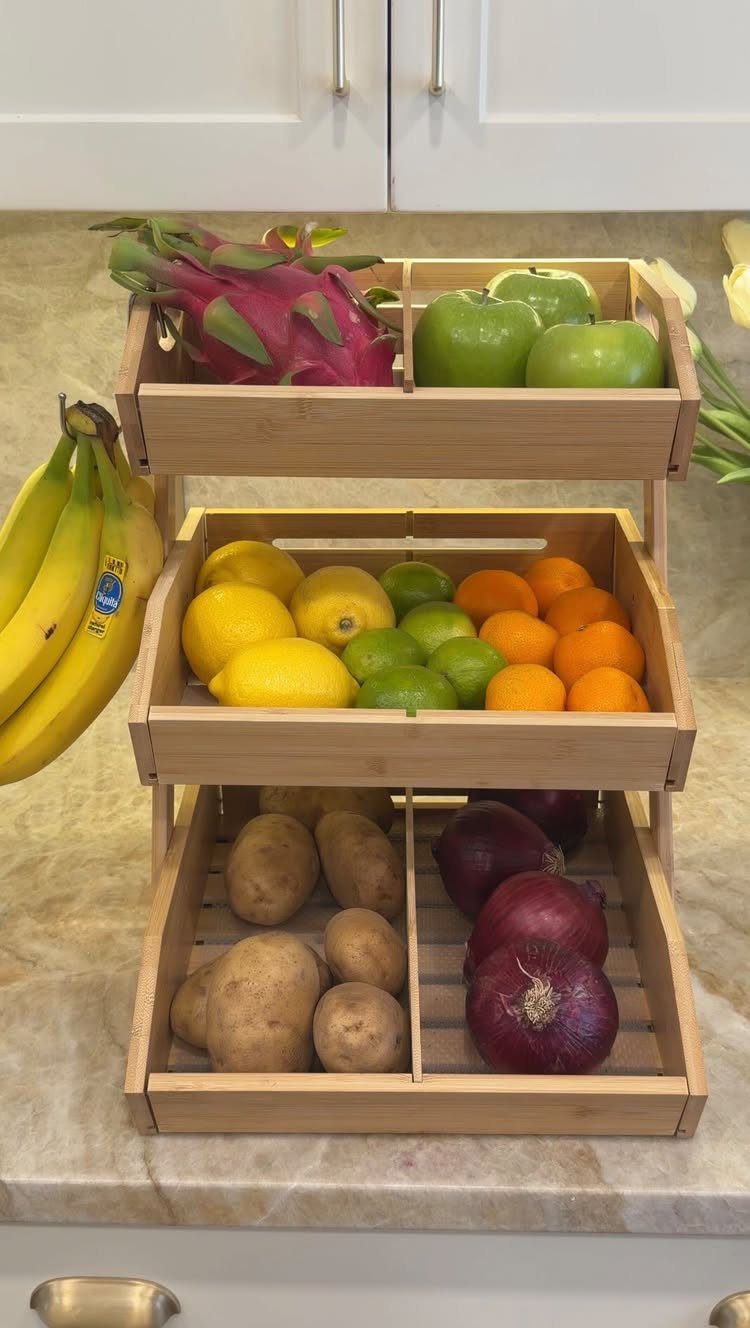
A three-tier wooden stand buys back counter space by stacking produce vertically, with a side hook for bananas that bruise if piled.
Marble counters stay cold and hard, which means any moisture trapped under a wood stand has nowhere to go; felt dots or a sealed base keep the stone from picking up a water stain ring.
Potatoes and onions on separate tiers is smart storage; both need dark and ventilation, but onions speed potato sprouting when they touch. I would put onions on top, potatoes lowest, and fruit in the middle where I see it first.

【DISTINCTIVE DESIGN】 Softly rounded corners, a gently raised border, and balanced rectangular proportions create a clean, distinctive silhouette with subtle depth. The understated profile complements room decor, house decor, and shelf decor, adding visual interest without making the overall look feel busy, heavy, or overly ornate.

VERSATILE USE - This wooden riser can be used as a centrepiece for a dining room or living room table, or to keep things organised on a kitchen counter, coffee table or bathroom vanity. Decorate it for holidays or special family occasions. Or just use it as a cake stand at parties.

CORNER SPACE SAVER: Designed with a 90-degree fan shape to fit snugly into unused corners, maximizing counter space in kitchens, bathrooms, or living areas.
10. Two Tier Appliance Shelf

Stacking a microwave over a toaster oven on a two-tier shelf recovers the footprint of the larger appliance alone, and the drawer below catches the cords and manuals that otherwise clutter the side.
Measure your microwave depth with the door open; the shelf needs clearance behind it or the door hits the wall.

Height Adjustable Spice Organizer: The height between the first & second shelves of lazy susan organizer for cabinet can be adjusted from 7.09 to 10.62 inch to accommodates spice bottles of varying heights. Keep olive oil, soy sauce, and spice jars within easy reach! This rotating spice rack for countertop is designed in 2-tiers to provide more storage capacity.

Keep Your Kitchen Clean and Tidy - A clean and orderly kitchen countertop is really important. The stainless steel spice rack (spices are not included) keeps your seasonings and herbs in order. With the help of spice rack organizer, you could save more space for your kitchen.

PREMIUM QUALITY: Crafted from white MDF, this rack will keep its good looks for a very long time. Clean white finish complements modern kitchen appliances
11. Dedicated Oil and Vinegar Caddy

A slim wooden caddy corrals oil and vinegar bottles into a single footprint, with labeled glass dispensers that let you buy in bulk and refill.
Oil rings on white marble etch almost immediately, which is why a caddy with a flat, wipeable base wins over loose bottles that leave a constellation of spots you only notice at noon.
I would check that my usual bottle height fits the caddy sides; tall artisan oils may need a deeper model.
Printed labels keep the set looking like one piece even when I swap white wine vinegar for rice vinegar in June; handwriting drifts in size and ink color and starts to look like a science fair project.
Daily Cleaning Habits
I spend a couple of minutes each evening walking the counter with a basket, picking up anything that migrated there during the day.
Mail, charging cables, the pepper grinder from lunch, they all go back to where they belong before I wipe the surface.
Designating zones keeps that walk short.
My prep zone stays clear of appliances; the coffee zone holds only the grinder and kettle I use every morning. When each area has a single purpose, I spot an intruder immediately.
I keep a spray bottle and rag in the cabinet directly below the main counter, not under the sink across the room. That small move means I actually wipe after cooking instead of intending to later.
Drawer organizers matter more than most people think.
Dividers that separate spatulas from ladles mean I reach for the right tool in three seconds and put it back in four. Without them, utensils become a jumbled pile that drifts toward the counter by Wednesday.
Mindset Shifts
The counter feels convenient because my hand knows exactly where the knife block sits.
What I forget is how often I move that block to chop an onion, then move it back, then move it again. The real convenience would be a drawer slot 2 steps away that never blocks my board.
I had to train myself to notice what I sacrifice for that "convenient" reach. Every item on the counter collects a film of grease and dust that needs wiping around.
Every item shrinks the workspace where I actually cook. Most damning, every item demands a sliver of attention when I walk in, a low-grade visual noise I stopped noticing until I cleared it.
Now I ask one question before anything earns counter space: do I use it more than once daily, and does using it from a cabinet or drawer genuinely slow me down?
The coffee maker passes; the stand mixer fails. The fruit bowl passes because I eat from it twice a day; the decorative candle fails because I never light it.
Decorative vs Functional
I do not keep objects on my counter purely for display. In my last smaller kitchen, decorative pieces were the first cut, and that rule still governs now that I have more room.
What stays are the items that do double duty. A wooden cutting board leans against the backsplash and looks intentional while staying ready for work.
A ceramic fruit bowl holds actual bananas and apples, not wax replicas. These pieces earn their footprint by functioning first, looking good second.
Seasonal decor rotates through my kitchen on the same schedule as the rest of the house.
A small pumpkin in October, nothing in January. Permanent decorative objects gather dust and start to look like clutter by month three, so I avoid them entirely.
When I want warmth on the counter, I choose functional materials that happen to be beautiful: a brass paper towel holder, a walnut oil caddy, a marble produce stand with felt feet.
These read as design choices because their surfaces are honest, not painted plastic pretending to be something else.
Frequently Asked Questions
How can I keep my kitchen counters clutter-free?
A quick evening sweep with a basket, putting strays back where they belong, keeps the counter from becoming a landing strip.
What is the new trend for kitchen counters?
A tray corrals oils or utensils into one visual block so the eye reads it as intentional, not scattered.