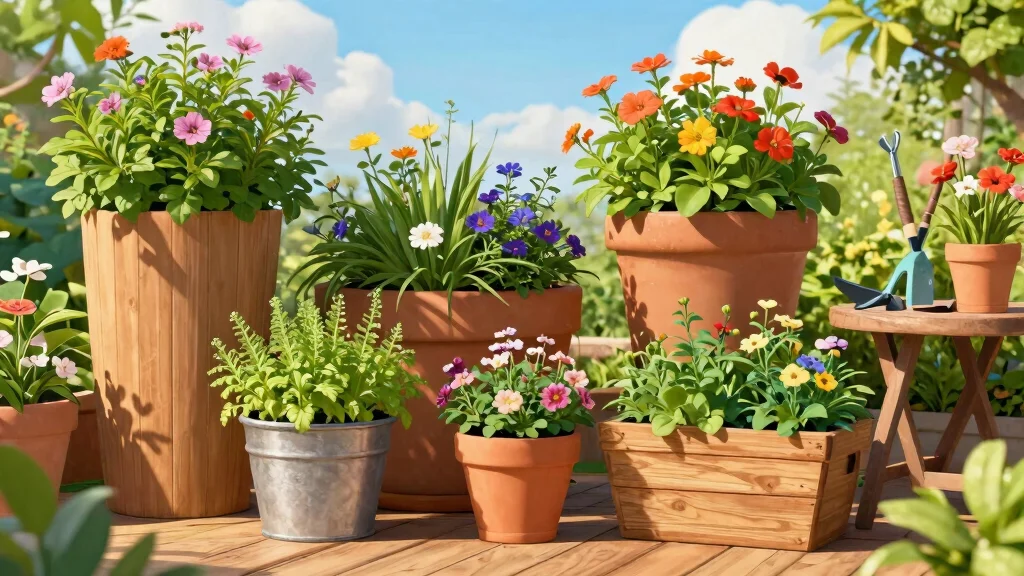
Gardening has a way of bringing joy and tranquility into our lives, especially when you’re limited on space. If you’ve found yourself craving that lush, green vibe but worry about your plants tipping over in small areas, you’re in the right place. This post is here to help you explore creative and practical tall planter ideas that not only fit snugly in your space but also maintain their balance and style.
Whether you’re a city dweller with a tiny balcony or a suburbanite looking to maximize your garden’s vertical potential, this guide is perfect for you. If you’re into vertical gardening or simply want to add some charm to your outdoor planters, these ideas will inspire you. You’ll find 14 diverse options that will help you create a stunning garden while ensuring your plants stand tall without the risk of tipping over.
Get ready to uncover innovative solutions that are both practical and aesthetically pleasing. From classic wooden designs to modern metal planters, this collection has something for everyone. You’ll gain insights into materials, stability, and clever design features that make these planters perfect for container gardening. Let’s dive into these ideas that are stylish, stable, and tailored for your space-saving gardening needs.
Key Takeaways
– Explore a variety of tall planter ideas that offer stability and style for small spaces.
– Discover materials like wood, metal, and concrete that enhance both the design and durability of your planters.
– Learn about clever designs such as built-in trellises and tiered planters that maximize vertical space.
– Understand how to choose planters that complement your existing garden style while ensuring your plants remain upright.
– Find inspiration to create a vibrant and balanced garden that thrives even in limited areas with these innovative solutions.
1. The Classic Wooden Tall Planter
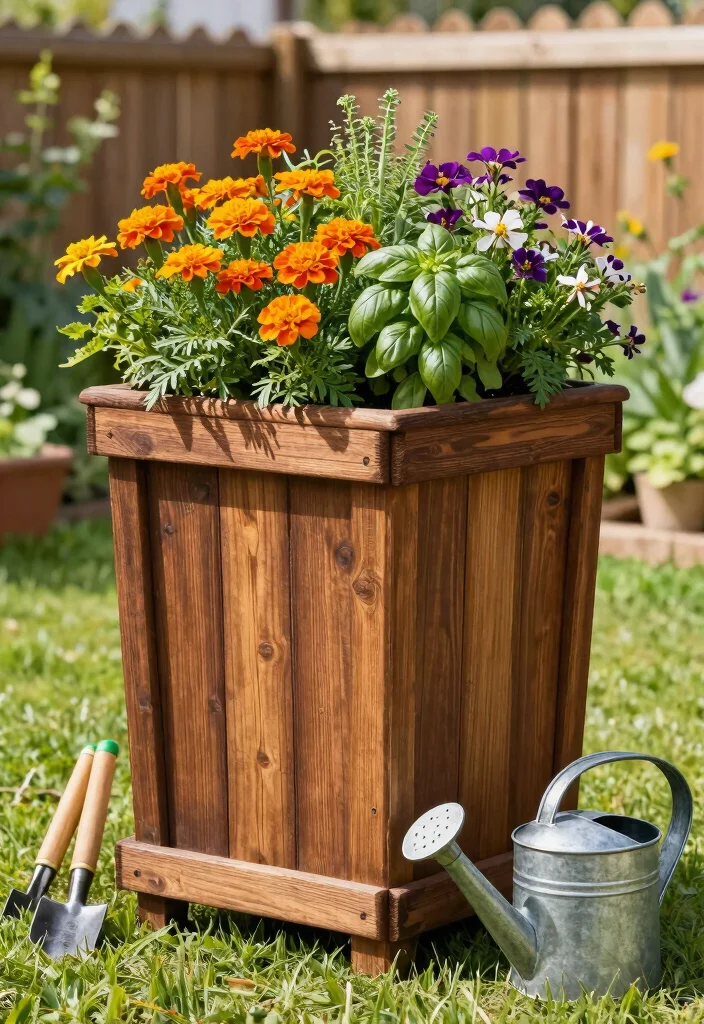
If you’re looking for a way to add warmth and character to your garden, wooden tall planters are an excellent choice. They combine durability and an attractive rustic aesthetic that fits many design styles. You can easily find or customize them in various heights and widths, and many include built-in drainage holes to keep your plants healthy. Selecting taller models that taper at the bottom can enhance stability, especially in windy conditions.
When choosing a wooden planter, think about the plants you wish to cultivate. From vibrant flowers to fragrant herbs, your options are plentiful. Using treated wood will help extend the lifespan of your planter, ensuring it remains a functional and beautiful part of your garden for years to come.
Key tips for effective use:
– Ensure adequate drainage by using pots with holes
– Use treated wood for longevity
– Regularly check for rot or damage
Caring for wooden planters can enhance their beauty and function. A little maintenance goes a long way in keeping your garden thriving.

Premium Quality 2-Pack Set: The vertical garden planter is made of high quality natural wood. This wall planter set includes 2 wooden trellis 11.42" width in 4 lengths: 15.7", 23.6", 35.4", or 47.2". You can also mix and match different sizes

【Create Charming Garden】 - Our 2PC-Raised Garden Bed with trellis maximizing vertical space and adding charm to small gardens. This planter box with trellis above ground keeps plants upright and makes your space neat and organized.

Premium Quality 2-Pack Set: The vertical garden planter is made of high quality natural wood. This wall planter set includes 2 wooden trellis 11.42" width in 4 lengths: 15.7", 23.6", 35.4", or 47.2". You can also mix and match different sizes
2. Modern Metal Planters
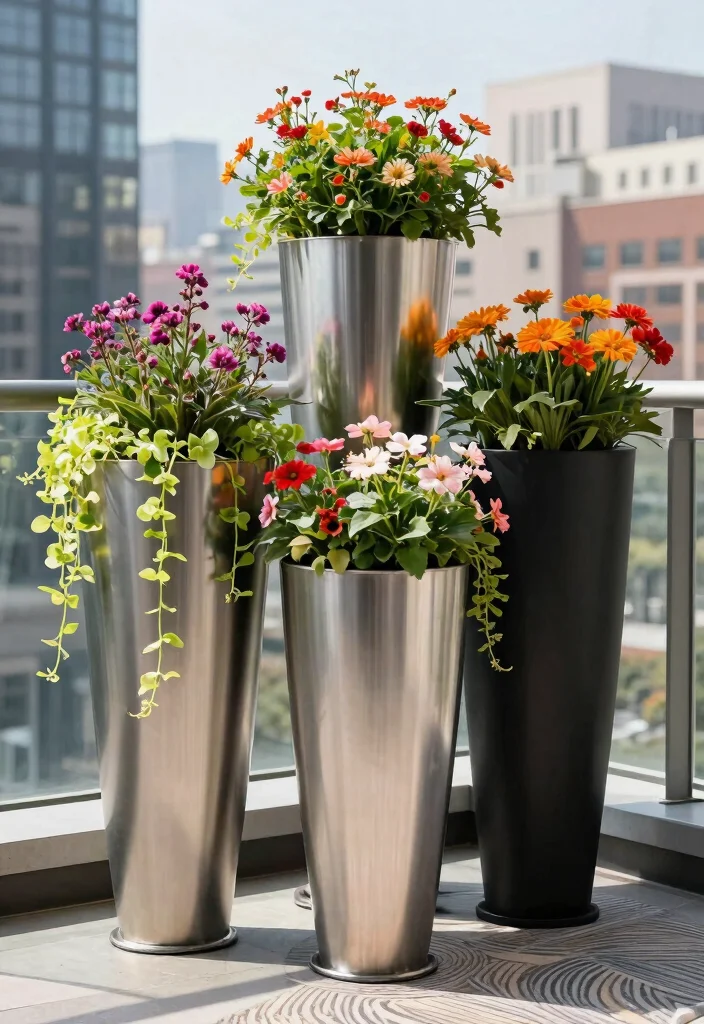
For a contemporary twist in your garden, modern metal planters are a fantastic option. Typically crafted from materials like galvanized steel or aluminum, these planters are not only lightweight but also extremely durable. Available in various heights and finishes, they offer a sleek look and maintain stability even during windy conditions.
To create a visually engaging garden, consider grouping metal planters of different heights or using them as vertical planters. Lining the inside with a moisture-retaining material, such as coconut coir, can help manage temperature and moisture levels effectively.
Essential tips for styling:
– Cluster varying heights for dynamic visuals
– Use contrasting materials for added interest
– Monitor plant choices to suit temperature conditions
Integrating metal planters into your space offers both style and functionality, ensuring your plants thrive beautifully.
Fun fact: galvanized steel planters can be up to 30% lighter than traditional stone pots, yet stay sturdier in windy corners. Pair different heights for dramatic tall planter ideas that won’t topple.

Tapered Granite Memorial Vase: Cemetery flower vase crafted from solid gray granite, featuring a tapered profile with polished front and back faces and natural rock-pitch sides for a traditional memorial appearance.
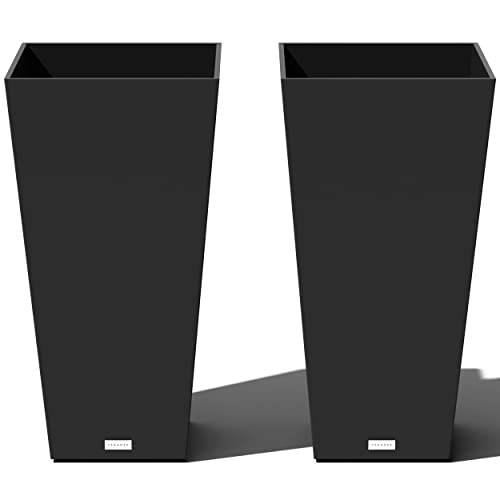
GARDEN DECOR: Decorate your space with the Veradek Taper planter; Whether you use it as a patio, entrance or railing accent, this strong and sturdy yet lightweight contemporary garden container is the perfect fit with its sharp and modern appeal

CRAFTED FOR LONGEVITY: Meticulously constructed from premium iron, with spraying and high-temperature baking paint processes, these large outdoor planters, tall planters for outdoor plants, and plant pots are not easy to rust and are robust, engineered to withstand long-lasting daily use.
3. Recycled Container Planters
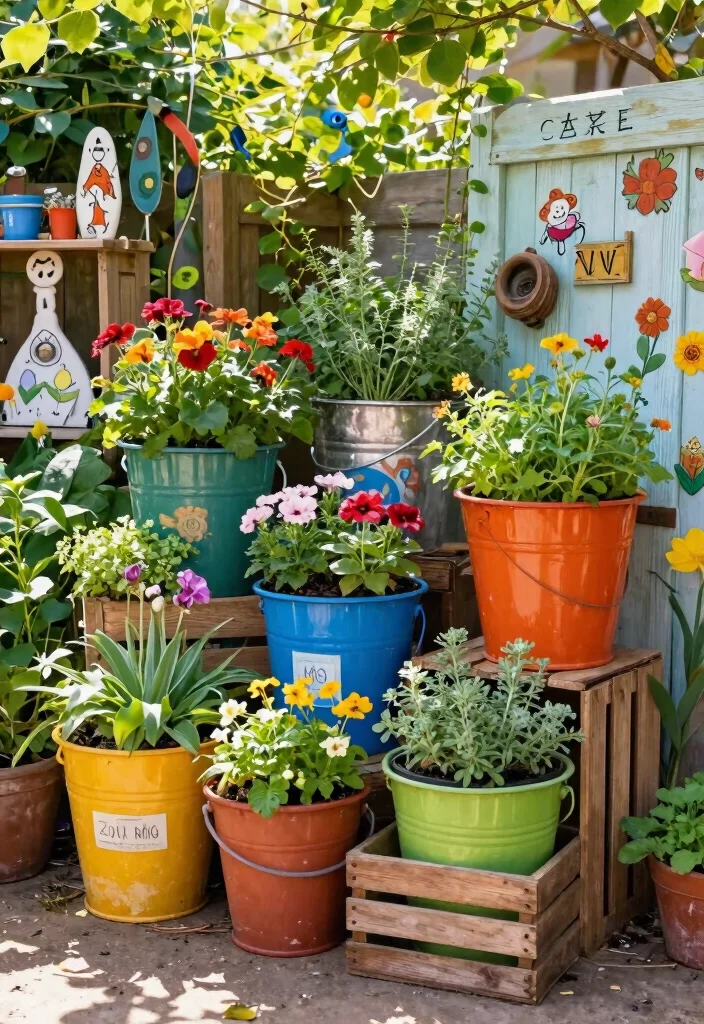
Embracing sustainability in your gardening efforts is both rewarding and fun with recycled container planters. You can creatively use items like old buckets or wooden crates to craft unique, eco-friendly planters that add character to your garden while being budget-friendly. These upcycled options not only reduce waste but also allow for a personal touch in your outdoor space.
Before using recycled materials, ensure they are clean and safe for planting. If your containers lack drainage holes, adding a layer of pebbles can help prevent waterlogging. The depth of tall containers is beneficial for larger plants or those with extensive root systems.
Creative tips to enhance your planters:
– Decorate containers with vibrant paint for personality
– Layer plants with varying heights for visual appeal
– Ensure proper drainage to protect plant health
Engaging in upcycling can inspire creativity while providing a unique gardening experience.

Space-Saving : This strawberry planter maximizes your gardening space by stacking 5 layers to grow more plants in a compact area. The strawberry tower planter is ideal for patios, balconies, or indoor use
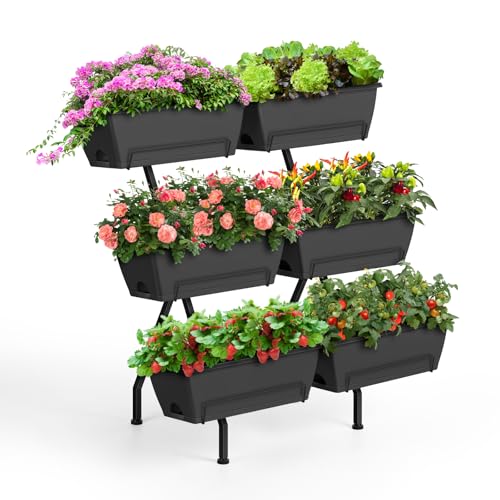
【Space-Saving Vertical Garden System】 Six stackable planters transform tight spaces into lush gardens – perfect for urban balconies, small patios, or indoor greenery. Strategically alternate herbs, flowers and vegetables across tiers to create your perfect mini ecosystem.

Four-Layered Garden Design: This planter box features a four-tier structure, allowing you to cultivate a variety of plants in separate layers. You can plant everything from vegetables and herbs to flowers, fruits, and even strawberries. Each tier offers ample space for healthy growth without overcrowding your plants
4. Sturdy Concrete Planters
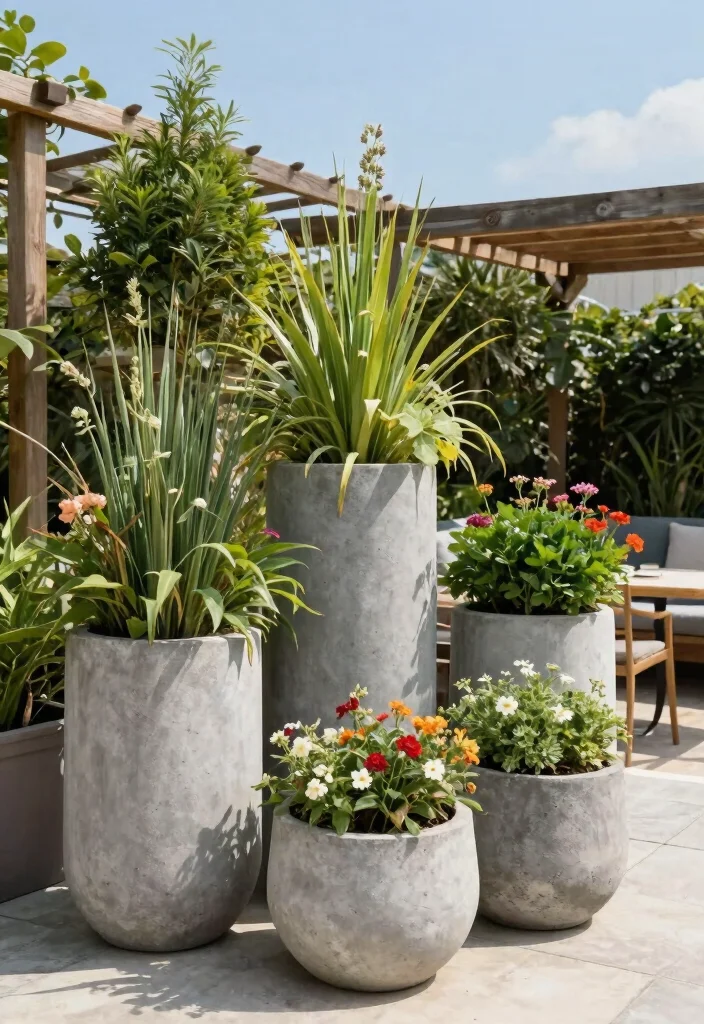
Concrete planters offer a solid choice for anyone seeking stability in their gardening. With their industrial look, these heavy-duty planters can enhance both indoor and outdoor spaces. The mass of concrete ensures they remain upright, even in harsh weather conditions.
To personalize your concrete planters, consider painting them in bold colors or adding artistic stencils. Insulating the interior with foam can protect sensitive roots from extreme temperatures. Their sturdy design is suitable for a wide range of plants, from small trees to cascading vines.
Helpful tips for concrete planters:
– Drill drainage holes to prevent water buildup
– Use potting mix with excellent drainage
– Group planters of different heights for impact
Concrete planters not only serve a functional purpose but can also help structure your garden beautifully.

ARCHITECTURAL BULLET SILHOUETTE: This large round concrete planter features a distinctive rounded Bullet silhouette that creates a strong vertical presence without looking bulky. Its sculptural profile complements living rooms, entryways, porches, patios, decks, and garden spaces.

Stylish Concrete Planter - Unveil a modern design boasting graceful curves and an authentic surface finish! Enhance your space's allure with this contemporary masterpiece adorned with visible pores for an enchanting touch of charm.

Stylish Concrete Planter - Unveil a modern design boasting graceful curves and an authentic surface finish! Enhance your space's allure with this contemporary masterpiece adorned with visible pores for an enchanting touch of charm.
5. Vertical Wall Planters
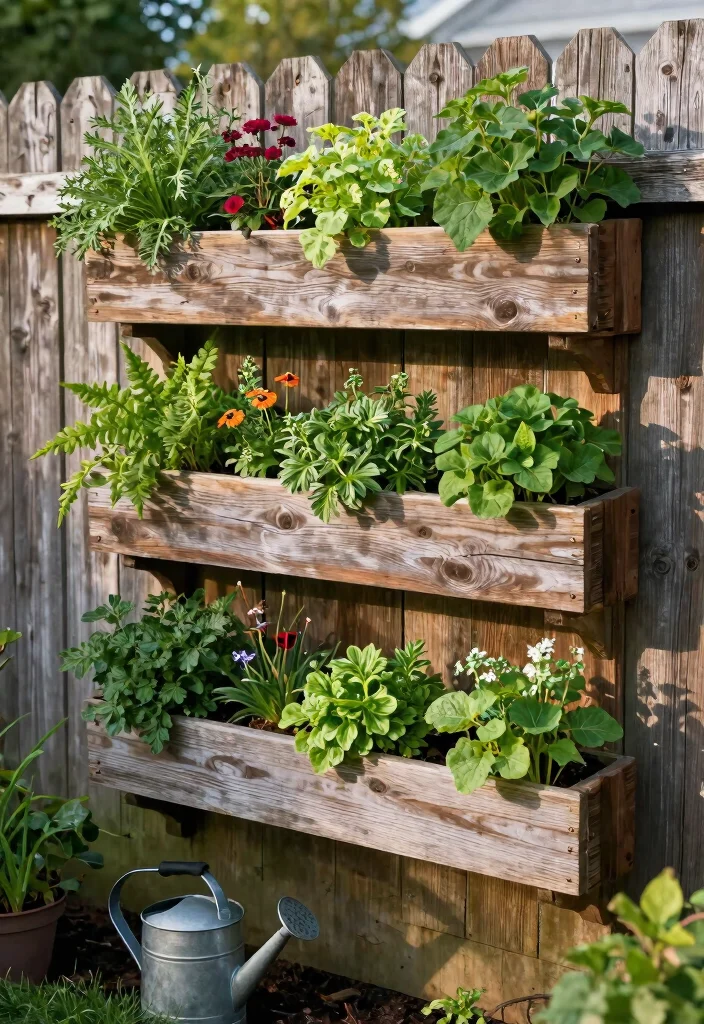
If you’re short on space, vertical wall planters are the perfect solution to grow your plants upwards. Mounted on walls or fences, these planters create a stunning display of greenery without taking up valuable floor space. They come in various designs, accommodating a wide range of small plants, herbs, and succulents.
Ensure that your vertical planters are securely attached to a sturdy surface, and consider lightweight materials for ease of installation. Be mindful of each plant’s sunlight needs, as not all plants thrive in direct sunlight.
Key tips for vertical gardening:
– Incorporate a drip irrigation system for easy watering
– Mix various plants for a colorful, lively display
– Securely attach planters to withstand weight
Vertical planters can transform any area into a vibrant focal point, adding depth and interest to your gardening space.

Balcony Rail Planter: Rectangular outdoor planters was designed to maximize inside growing space allowing dirt and roots to grow strong and deep.This special design can be hung on the balcony, window, garden,railing, anywhere in the room,also can be used as desktop.

Material: Hanging fence planter made of metal iron. Durable and lightweight. Balcony flower pots are not easy to rust or damage, and have a long service life

Material: Hanging fence planter made of metal iron. Durable and lightweight. Balcony flower pots are not easy to rust or damage, and have a long service life
6. Tiered Planters for Maximum Impact
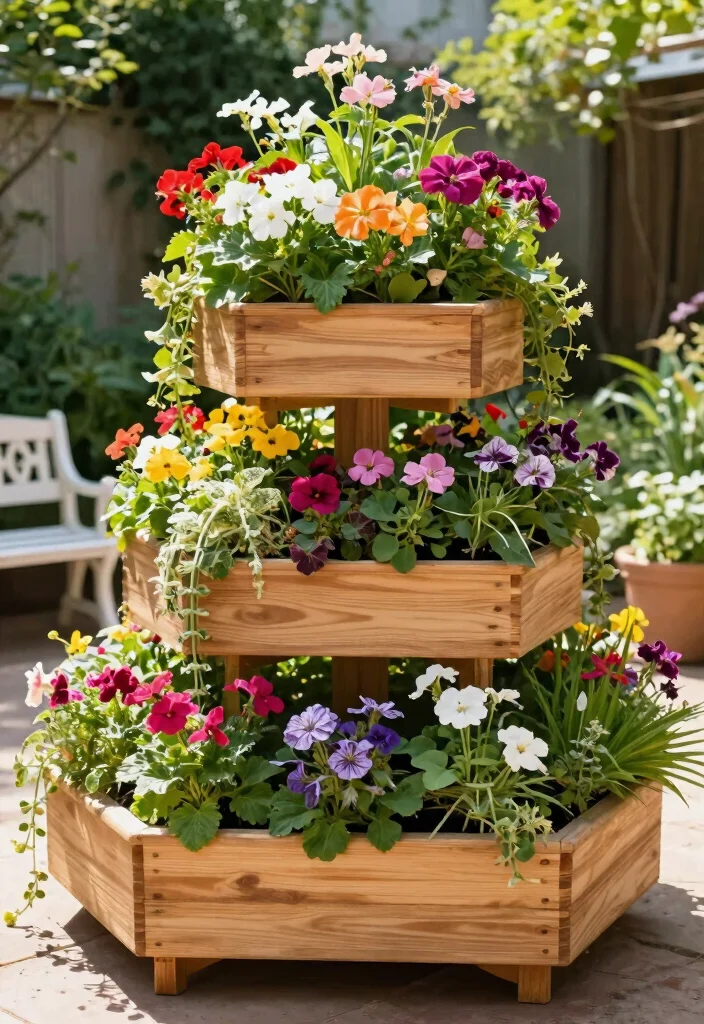
Create a stunning visual effect in your garden with tiered planters, which allow for planting at various heights. This arrangement not only enhances the aesthetic but also improves air circulation and sunlight access for all plants involved. You can find tiered planters made from various materials, including wood and resin, ensuring durability and stability.
When choosing tiered planters, prioritize ones with a stable base to prevent tipping. Consider displaying taller plants at the top and cascading varieties on the lower levels for maximum impact.
Essential tips for tiered gardening:
– Use a mix of colors and textures for interest
– Water regularly, especially for higher levels
– Consider drip irrigation for consistency
Tiered planters can become a beautiful centerpiece in your garden, showcasing your favorite plants in style.

【Planting & Privacy】This raised garden bed combines growing space and privacy, creating a cozy outdoor corner for veggies or vines. Ideal for patios, yards, or anywhere extra coverage is needed

【Planting & Privacy】This raised garden bed combines growing space and privacy, creating a cozy outdoor corner for veggies or vines. Ideal for patios, yards, or anywhere extra coverage is needed

【You will get】Size: 11.4"W x 35.43"H (2 Pcs)丨(Plants, flowers, pots & decor not included.) Material & Color: Premium solid wood (no particle board), carbonized for a rich dark brown finish, enhanced durability, and striking natural grain.
Key Trade-offs & Our Top Pick
When it comes to choosing tall planters that stand upright without tipping over, you have several options. Each has its own set of advantages and disadvantages. Below, we’ll break down a few of the most popular choices to help you make the best decision for your gardening needs.
1. The Classic Wooden Tall Planter
– Pros:
– Natural aesthetic that blends well with outdoor spaces 🌳
– Can be customized with paint or stain to match your décor 🎨
– Generally lightweight and easy to move around
– Cons:
– Prone to rot and insect damage if not treated properly
– Requires regular maintenance to keep it looking good
– Not ideal for very wet or humid climates
– Best for: Traditional garden settings and those who enjoy DIY projects.
2. Sturdy Concrete Planters
– Pros:
– Extremely durable and can withstand harsh weather conditions ☔
– Provides excellent stability due to its weight
– Offers a modern, minimalist look that fits various styles
– Cons:
– Heavy and difficult to move once filled with soil
– Can be quite expensive compared to other options
– May crack in freezing temperatures if not properly cured
– Best for: Long-term installations in permanent garden spaces.
3. Modern Metal Planters
– Pros:
– Sleek design that adds a contemporary touch ✨
– Resistant to pests and rot, unlike wood
– Available in various sizes and finishes
– Cons:
– Can heat up quickly in direct sunlight, which may affect plant roots
– Prone to rust if not properly coated
– Heavier than plastic options, but lighter than concrete
– Best for: Urban settings and those looking for stylish pieces.
4. Vertical Wall Planters
– Pros:
– Great for maximizing space in small areas 🌱
– Allows for creative plant arrangements and designs
– Easy to maintain and water due to accessibility
– Cons:
– Might require additional support depending on the weight of plants
– Limited to smaller plants and herbs
– Can be more expensive due to special design requirements
– Best for: Small gardens, balconies, or any compact living space.
5. Tiered Planters for Maximum Impact
– Pros:
– Creates a stunning visual display with multiple layers
– Allows for diverse plant selection at different heights
– Efficient use of space while adding verticality 🌼
– Cons:
– Can be complex to assemble and manage
– Requires proper drainage to prevent waterlogging
– Heavier and bulkier than standard planters
– Best for: Creating a focal point in any garden.
Expert Recommendation:
Best Overall: Sturdy Concrete Planters
These planters offer the perfect blend of durability and style. Their heavy build ensures that they won’t tip over in windy conditions, making them a reliable choice for any outdoor space. Their modern look fits in various garden styles, and while they might come at a higher cost, their long-term value and minimal maintenance requirements make them a great investment.
Why We Picked This:
While our top pick suits most gardeners, you may prefer other options based on your specific needs. If you’re looking for something lightweight and more affordable, the classic wooden planter might be ideal. For urban gardeners, vertical wall planters can maximize your limited space effectively. Each choice has its own perks, so weigh your options carefully!

Pot Feet Hexagons: Elevate your pots safely and provide stability with 6 points of balance and studded bottoms

𝑺𝒊𝒛𝒆 - 𝑪𝒐𝒍𝒐𝒓 - 𝑾𝒆𝒊𝒈𝒉𝒕: Available in three sizes and six versatile finishes, this small ribbed black version (7.7" pot opening x 11.0" dia x 11.8"H x 6.3" bottom dia, 4.4 lbs) brings a sleek, bold accent to modern interiors, minimalist patios, or cozy balconies

Tall, Space-Saving Design: Add instant height and style with this 28 in. tall round planter that looks great by the front door, on the patio, or indoors
7. Hanging Planters for Vertical Appeal
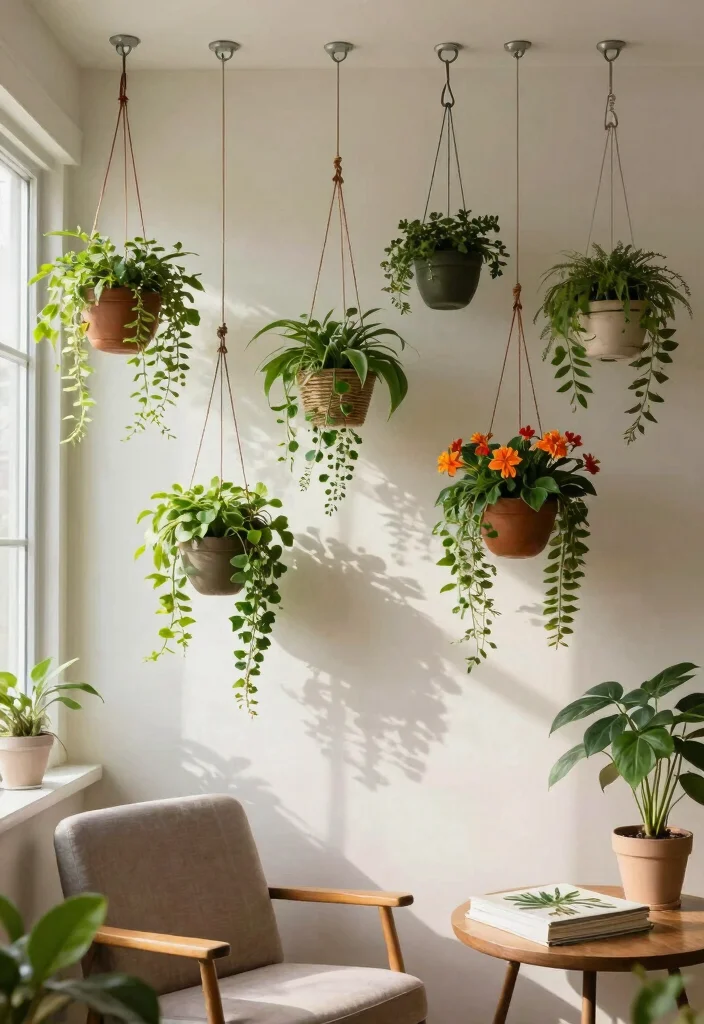
Hanging planters are a creative way to add height to your garden without sacrificing ground space. These versatile planters can be suspended from ceilings, hooks, or beams, offering a three-dimensional effect in any space. Available in various materials, including macramé and ceramic, there’s a design that will fit your style perfectly.
Ensure your hanging planters are securely anchored, especially with heavier plants. Opt for lightweight soil to make them easier to hang, and choose plants that thrive in hanging positions, like trailing vines.
Tips for effective hanging planters:
– Mix different heights and shapes for visual interest
– Regularly check mounting hardware for safety
– Use plants that cascade beautifully for added effect
Hanging planters can enhance both indoor and outdoor spaces, bringing a touch of artistry and greenery wherever they are placed.
Fun fact: hanging planters can free up to 60% more ground space in compact patios, letting tall planter ideas thrive without crowding. Install lightweight soil and secure anchors—you’ll gain vertical height plus easier access for watering. Hang from beams or walls and watch your garden grow tall and tidy.

Create a waterfall of flowers or herbs with our charming outdoor stacking planter

Open Tiered Design for Optimal Sunlight: This tiered raised garden beds outdoor features an open, layered structure that ensures flowers, vegetables, and cherry tomatoes receive even, natural sunlight-eliminating shading and promoting healthier growth

8. Railing Planters for Balconies
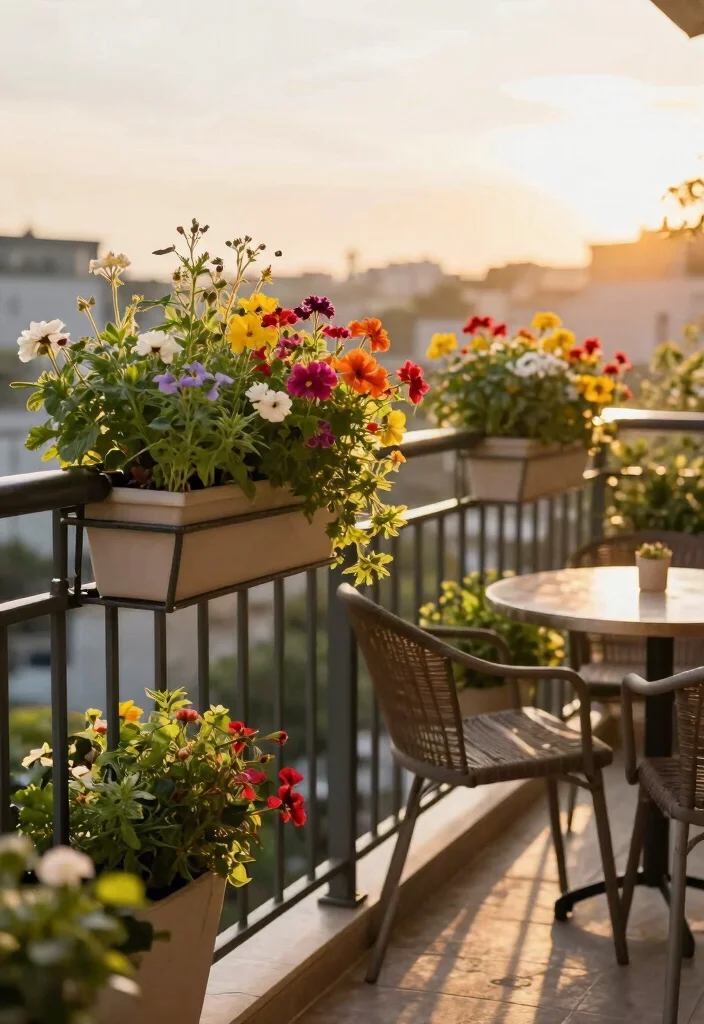
Railing planters offer a practical solution to enhance your balcony space. Designed to attach securely to railings, these planters let you enjoy flowers and herbs without consuming precious floor space. They are perfect for anyone looking to bring a touch of greenery to their outdoor areas.
When selecting railing planters, ensure they fit your railing dimensions properly. Self-watering options can help maintain moisture levels, especially in sunnier climates. Choose plants that can withstand wind and sun exposure for the best results.
Helpful tips for railing planters:
– Layer plants by height for visual balance
– Ensure secure attachment to prevent falling
– Select hardy plants for optimal growth
Railing planters can turn a simple balcony into a lush retreat, making every moment spent outdoors more enjoyable.

Stylish Concrete Planter - Unveil a modern design boasting graceful curves and an authentic surface finish! Enhance your space's allure with this seamless, contemporary masterpiece adorned with visible pores for an enchanting touch of charm.

Lightweight Concrete with Natural Texture – Crafted from a lightweight concrete formula, this planter offers a refined finish and a more manageable weight than traditional cement pots. Subtle surface variations give each piece a distinctive, handcrafted character.

Handcrafted Exterior with Natural Character: Hand-finished with a refined white surface, this concrete bowl planter features subtle pores and natural texture variations that give the exterior an authentic, elevated look. Each piece has its own handcrafted character.
9. Upcycled Tire Planters
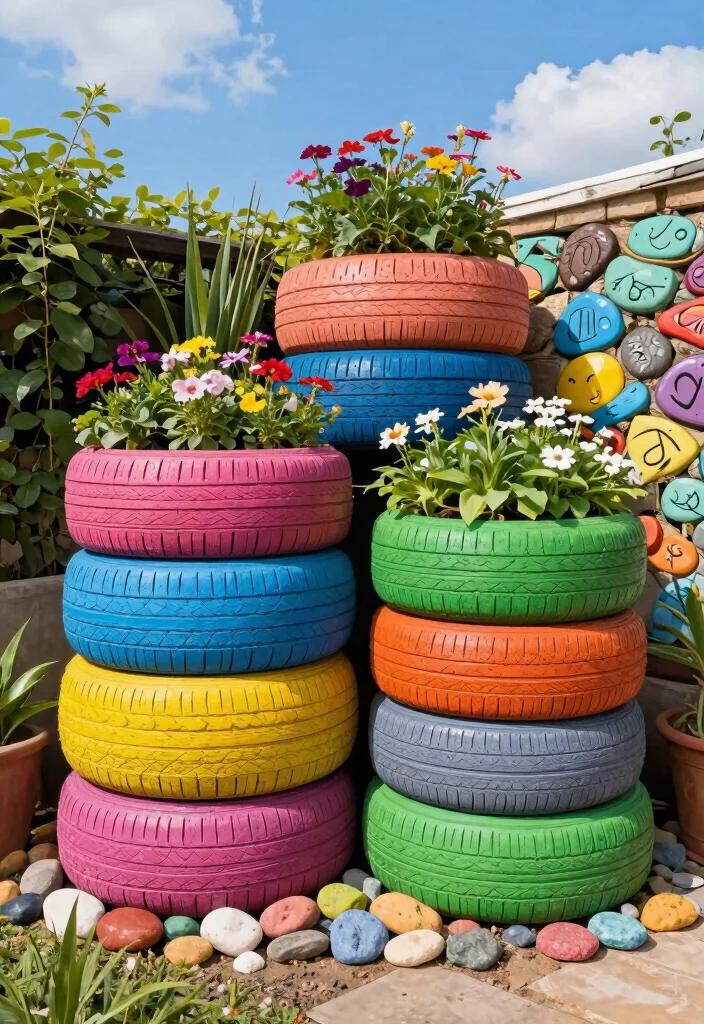
For those who care about the environment, upcycled tire planters present a creative and sturdy gardening option. They help reduce waste while providing a robust structure for your plants. With a little creativity, you can transform cut and painted tires into whimsical tall planters, perfect for children’s gardens or playful outdoor spaces.
Before crafting your tire planters, make sure to clean them thoroughly and consider bright colors for a fun touch. Stacking tires can increase height, allowing for a variety of plants that thrive in sunny conditions.
Key tips for using tire planters:
– Select hardy plants that flourish in tires
– Ensure drainage by drilling holes in the bottom
– Line the inside with fabric to keep soil intact
Engaging kids in planting can make gardening a fun family activity while teaching them about sustainability.
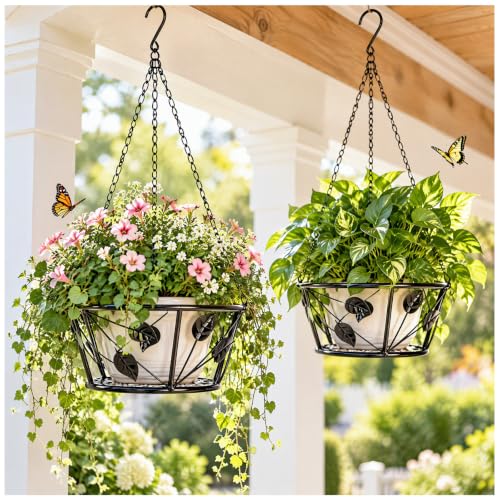
🐦🌸 Bring nature into your home with this 2-pack Metal Plant Hanger Set – a charming and practical way to display your beloved plants. Whether you have a cozy balcony, a sunny kitchen, or a minimalist living room, these elegant black hanging planters add instant beauty while saving precious floor space 🌿🏡

Size & Package--Balcony planters railing hanging come in 17"x4.7"x5" sizes, with 2/4/6/8 packs to fit any space. Attach effortlessly to deck planters for railing, porches, or balconies—ideal for small herbs or cascading flowers
10. Stylish Fabric Planters
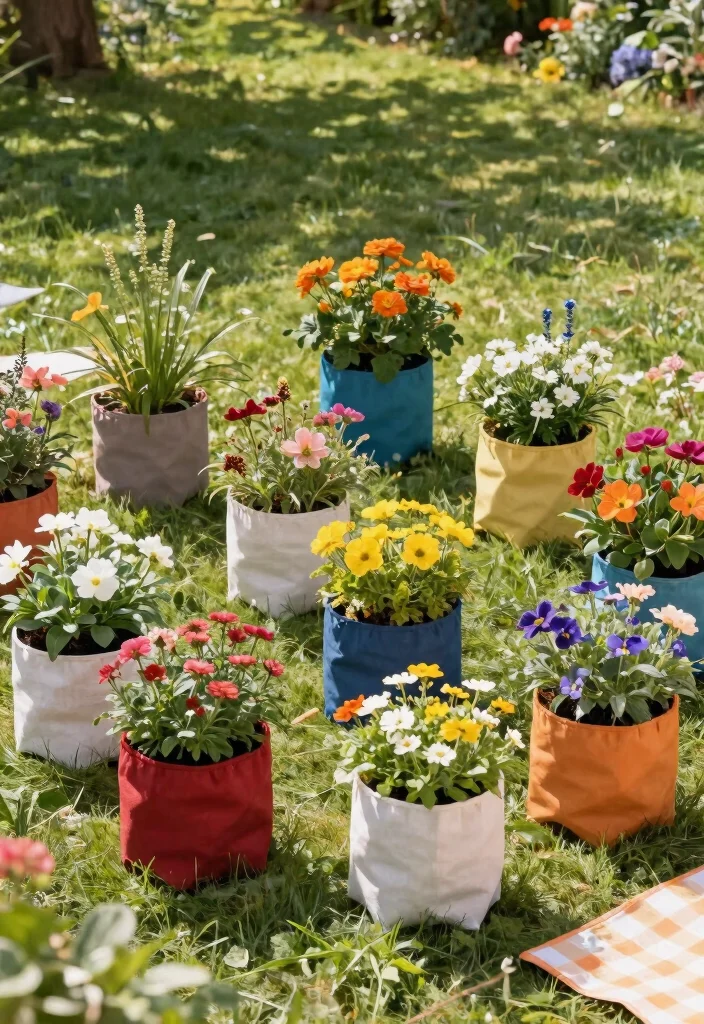
Fabric planters are a trendy option that beautifully combines portability with breathability. Made from durable fabric, they are lightweight and easy to move, allowing for flexible gardening arrangements. These planters facilitate excellent drainage and aeration, promoting healthy root development.
When selecting fabric planters, choose high-quality materials to withstand outdoor elements. They come in a variety of vibrant colors and designs, enabling you to create eye-catching arrangements.
Essential tips for fabric planters:
– Layer with a liner for moisture retention
– Monitor watering to prevent drying out
– Stack or group for a striking display
Using fabric planters in your garden can add a splash of color while ensuring your plants thrive.
11. Glass Planters for a Modern Touch
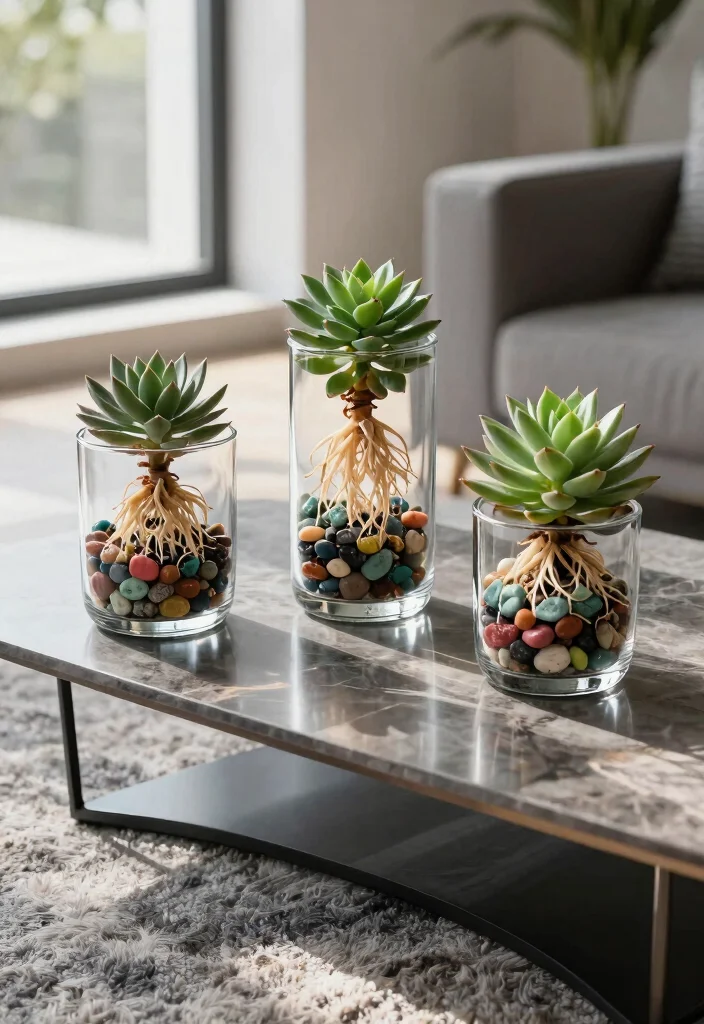
Glass planters bring a modern and elegant flair to your gardening setup. Their transparent nature allows you to showcase plant roots while creating stunning contrasts with greenery. Available in various shapes, from spheres to geometric designs, glass planters add a unique touch to any space.
While they are not typical for tall plants, glass planters can work beautifully for smaller varieties and succulents. To ensure stability, choose sturdy bases and layer pebbles at the bottom for drainage.
Key tips for using glass planters:
– Pair with colorful stones for added visual charm
– Monitor watering closely due to lack of drainage
– Use well-draining soil to promote plant health
Glass planters can also serve as delightful terrariums, creating whimsical indoor gardens.
Fun fact: Glass planters, with a 2-inch pebble base, boost stability and drainage by about 25% for small succulents. Pair them with 4 shapes—from spheres to geometric designs—for chic, tall planter ideas that stay upright.
12. Stone Planters for Natural Aesthetics
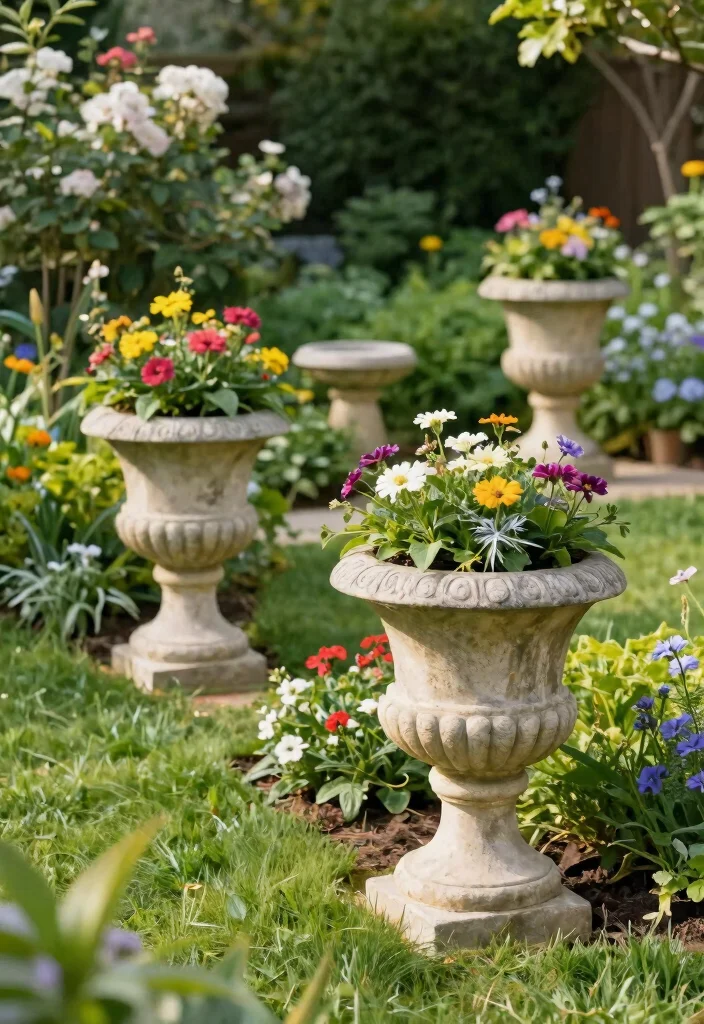
Stone planters offer a timeless elegance that enhances any garden space. Their substantial weight ensures they remain stable, even in adverse weather. Available in various shapes and finishes, stone planters can support a diverse array of plant life, from vibrant flowers to small trees.
When choosing stone planters, consider their weight and the surface they will occupy. Minimal maintenance is required, but sealing them against moisture can help maintain their appearance.
Helpful tips for stone planters:
– Pair with native plants for a natural look
– Drill drainage holes to prevent root damage
– Group planters for a cohesive arrangement
Using stone planters as focal points can elevate your garden’s aesthetic and create a visually pleasing atmosphere.
13. Planters with Built-in Trellises
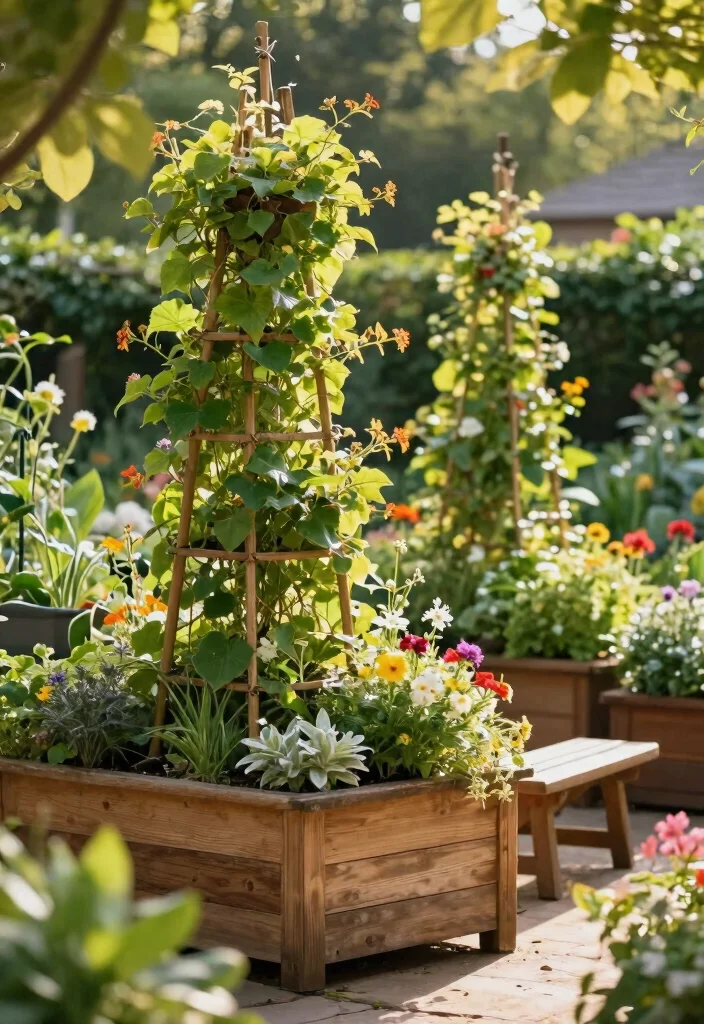
Planters with built-in trellises are a fantastic solution for climbing plants, combining function with style. These planters support climbing species, allowing you to maximize vertical space while adding beauty to your garden. Ideal for plants like sweet peas or climbing beans, they create visual interest while ensuring stability as plants grow.
Look for planters made from durable materials, like wood or metal, to withstand the weight of climbing plants. When planting, consider placing taller varieties at the back for optimal visibility.
Key tips for trellis planters:
– Train climbing plants as they grow for support
– Choose a sturdy base for stability
– Consider edible climbing plants for a dual-purpose garden
These planters can be a stunning addition to your garden, enhancing both aesthetics and functionality.
14. Elegant Ceramic Planters
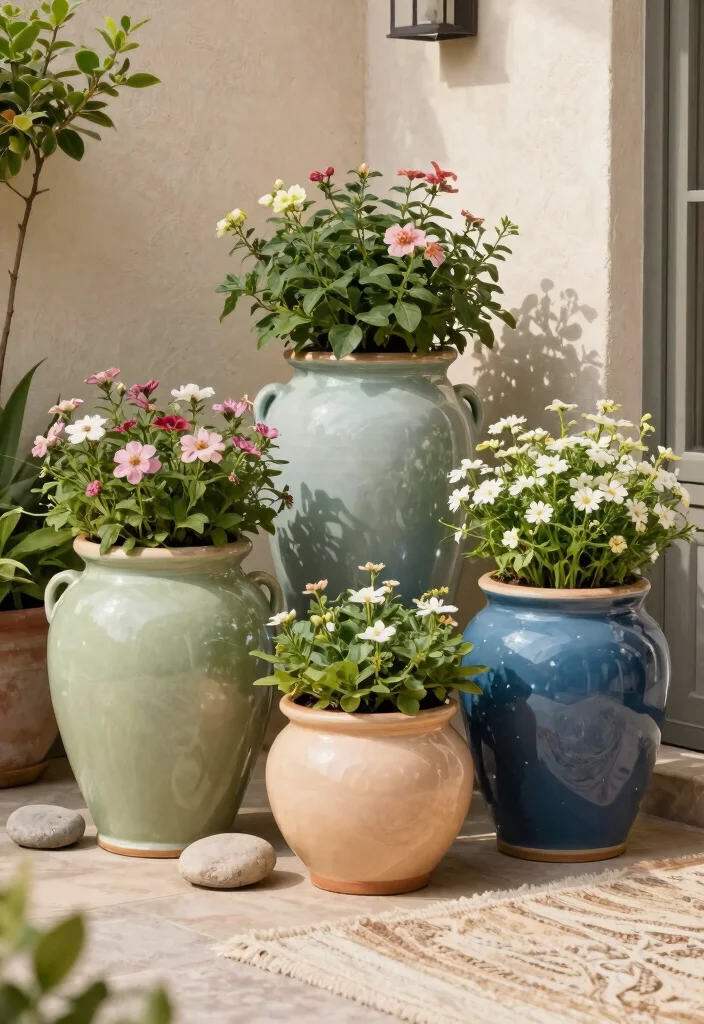
Ceramic planters add a touch of sophistication to any environment with their beautifully glazed finishes and intricate designs. Available in a wide variety of colors and styles, they work well in both modern and traditional gardens. Although heavier than some materials, their weight helps ensure stability for your plants.
When using ceramic planters, ensure they feature adequate drainage holes to prevent overwatering. They are ideal for showcasing flowers or small shrubs, serving as decorative focal points in your garden. Grouping various sizes and shapes can create an enchanting arrangement.
Essential tips for ceramic planters:
– Choose textured finishes for added depth
– Always place a saucer beneath to catch excess water
– Rotate seasonal plants for fresh looks throughout the year
Ceramic planters can brighten up your garden and offer a stylish way to display your favorite plants.
Conclusion
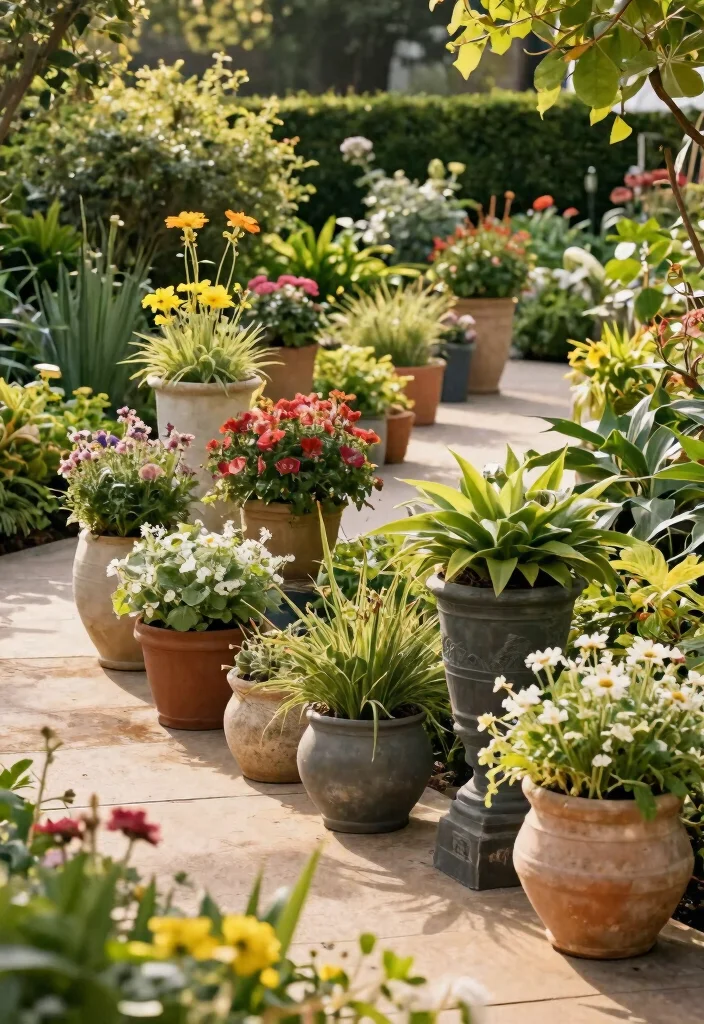
Incorporating tall planters into your gardening routine not only maximizes your available space but adds unique charm to your environment. From wooden to ceramic options, the choices are endless, allowing you to express your style while ensuring plants remain stable and healthy. Don’t shy away from creativity – whether it’s using recycled materials or building vertical arrangements, the possibilities are truly exciting!
Consider these 14 tall planter ideas as inspiration and a stepping stone to cultivate your garden in a way that reflects your personality and lifestyle.
Frequently Asked Questions
What are some tall planter ideas that stay upright and don’t tip over?
For tall planter ideas that stand upright, start with a broad, heavy base and weather-proof materials. Consider options like multi-tier freestanding towers, wide-based column planters, or sturdy metal stands with cross-bracing. Add ballast (like bags of sand or decorative gravel) and secure the planter to a wall or railing if possible. Use planters with anti-tip feet and ensure drainage is managed with a saucer or tray. Place taller planters near a wall or in sheltered spots to reduce wind sway. By combining a stable base, smart positioning, and wind breaks, you can enjoy lush vertical gardening without tipping.
How can I improve planter stability for tall, slender planters on windy balconies?
Boost planter stability with a wide base, heavy materials, and built-in anti-tip features. Choose a freestanding column with a broad footprint, attach to railing, or position it against a wall. Fill the bottom with ballast and add non-slip pads for grip. Pick durable soils and ensure proper drainage to prevent top-heavy imbalance. After strong gusts, check for wobble and tighten fittings to keep your vertical garden secure.
What materials and designs work best for outdoor planters to resist tipping in vertical gardening setups?
When choosing outdoor planters, go for heavy-duty options like concrete, ceramic, resin, or fibreglass with UV protection. Look for designs with wide bases, integrated feet, or sturdy stands that promote stability. Modular or column styles can maximize base area and resist tipping in small spaces. Don’t forget drainage via saucers and consider anti-tip hardware for extra security. This combination helps your vertical garden stay upright through seasons.
How can I maximize sun exposure and drainage when arranging tall planters in a vertical garden on a small balcony?
Place tall planters where they’ll receive the most sun across the day and rotate crops to maintain even growth in vertical gardening. For drainage, ensure planters have holes and use a well-draining container mix, plus trays to catch excess moisture. In container gardening tips, stagger heights to avoid shading, and consider self-watering options or wick irrigation to keep plants hydrated without overwatering. This keeps your small-space vertical setup productive and tidy.
What maintenance tips keep tall planter ideas looking good and stable year-round in space-saving gardening?
Regular checks go a long way. Inspect bases for wobble, reweight with ballast if needed, and tighten hardware after storms. Clean dirt and algae to preserve finishes, refresh soil each season, and monitor drainage. In space-saving gardening, rotate plants to avoid top-heaviness and keep the base clear to prevent pests. With proactive care, your tall planter ideas remain stylish, stable, and productive year-round.
Related Topics
tall planter ideas
vertical gardening
outdoor planters
planter stability
container gardening
space-saving gardening
small space solutions
easy gardening
DIY planters
garden design
urban gardening
beginner friendly