

An office in garage setup is a dedicated workspace built inside an existing garage, and the only way it works year-round is if you insulate the shell before you buy a single piece of furniture.
I cleared a full weekend just to empty mine, and the concrete slab still radiated cold until I sealed it.
1. Clear the Clutter First
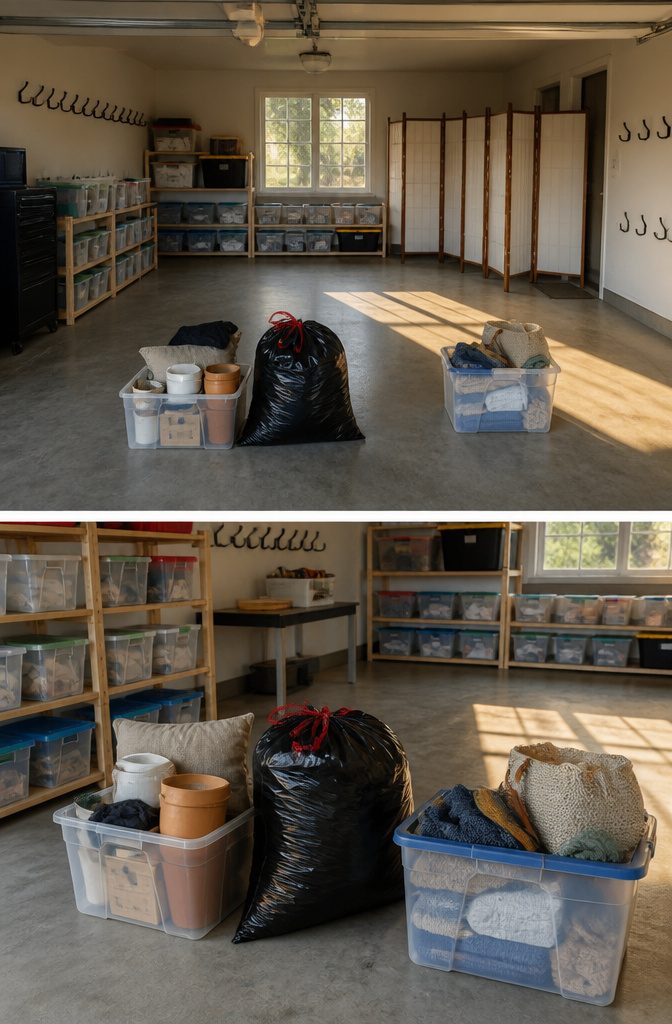
Most people underestimate how much they store in their garage until they pull everything out.
I learned this the hard way on my own conversion: the boxes, bikes, and half-empty paint cans stacked deeper than I remembered, and clearing them took a full weekend before I could even think about layout.
Start by sorting into three piles: donate, discard, and keep. For the keepers, storage bins handle tools and loose items better than cardboard, and wall hooks get bikes up off the floor.
If the garage still doubles as storage for holiday decorations or sports gear, a folding screen can section off your workspace without building a wall.
Shelving units or cabinets along the back wall keep what remains organized and out of your sightline during calls.
The screen is the move most people skip, then regret when their office still feels like a parking spot with a desk in it. Spend the $40–80 now; trying to add it after the furniture arrives means rearranging everything twice.
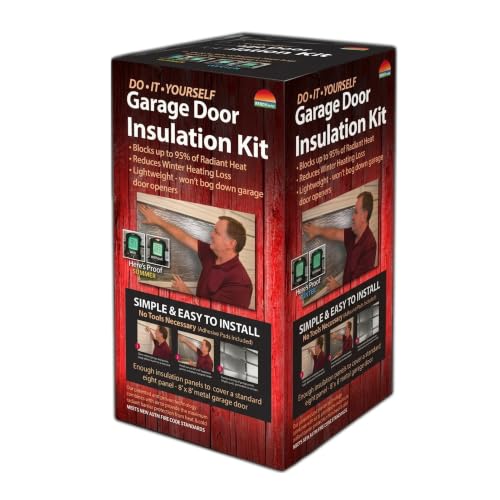
SINGLE DOOR COVERAGE (8ft x 8ft): Designed to insulate one standard single garage door. For double-wide or two-car garage doors, purchase two kits for full coverage.
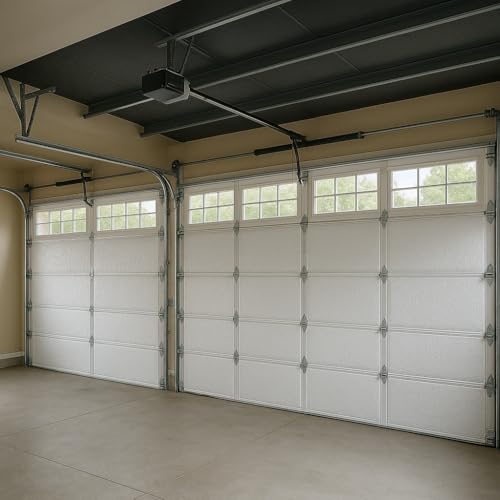
COVERAGE: This kit is designed to insulate one single-car garage door. For a two-car garage, you will need two kits. For a three-car garage, you will need three kits.

COVERAGE: This kit is designed to insulate one single-car garage door. For a two-car garage, you will need two kits. For a three-car garage, you will need three kits.
2. Assess What You Are Working With

Most garages sit on a plain concrete slab with bare studs and a door built for cars, not people. That gap between what is there and what an office needs is where the real work starts.
I would walk the space with a tape measure first, because ceiling height under 8 feet makes every choice harder, from lighting layout to whether you can even run insulation and drywall overhead without losing headroom.
Electrical is the next thing to check.
A single overhead bulb and a few outlets on a 15-amp circuit will not power a desk setup, a heater, and a coffee maker at once. You need to know what the panel can take before you plan anything permanent.
The garage door itself is another surprise: a well-insulated door helps, but if the frame is bent or the seal is gone, that is money spent before you touch the walls.
Windows are often missing entirely or too small to matter, which means you are looking at cutting a new opening or replacing the garage door with French windows if you want natural light worth calling daylight.
What stays and what goes depends on the specific garage, but the concrete floor almost always stays, and the insulation almost never does.

DEEP PENETRATING WATER REPELLENT — This ready-to-use penetrating concrete sealer soaks into porous concrete and masonry instead of sitting on top, helping reduce water and moisture absorption from rain, snow and seasonal weather. Ideal for concrete driveways, patios, sidewalks and other exposed surfaces where freeze-thaw stress is a concern.

Flows well into cracks

Durable Epoxy Acrylic Formula: Resists hot tire pickup, scuffing, cracking, peeling, and fading. KILZ 1-Part Epoxy Floor Paint delivers long-lasting protection and a satin finish that looks great on concrete surfaces.
3. Get the Permits Sorted
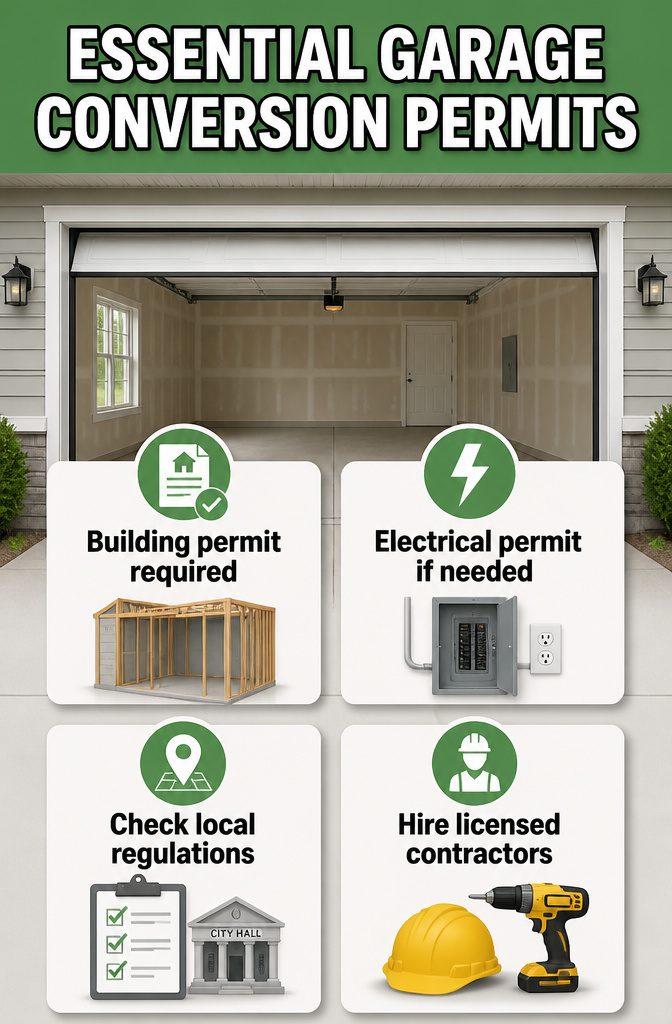
Building permission is required to convert a garage into a living space, including a dedicated home office, and the same permit usually covers the basic structural change.
Electrical, mechanical, and plumbing permits sit on top of that if your plans touch any of those systems, which they almost certainly will.
You need permission to convert your garage into an office. No exceptions.
The exact regulations and zoning requirements differ by state and often by city, so a call to your local building department is non-negotiable before you buy a single stud.
They will tell you whether your garage counts as an accessory structure, what setbacks apply, and whether the conversion triggers a reassessment.
This is the line where DIY ends and professional help becomes worth the money.
Electrical wiring and structural changes like adding or removing walls are not places to learn on the job. A licensed contractor handles the permitting for those trades, passes inspections the first time, and keeps your homeowner’s insurance intact.
I would hire out the electrical and structural work every time, run the cosmetic parts myself, and sleep better knowing the inspector will not red-tag the panel.

Dimensions & Size: Exterior measures 25 5/8" x 18 7/8" x 69 3/8", with interior shelf dimensions of 17.65" width x 13.31" depth, providing ample storage space for various items.

【Integrated Frame】: Black storage cabinet with doors is made of 0.88mm thick cold-rolled steel and can hold 180 pounds per layer, up to a maximum of 900 lbs. It's a 72 X 32 X 16 inch heavy duty storage cabinet with upgraded powder, which is more durable, longer use time.

PLANO PLASTIC STORAGE SHELVES: Organize your home, closet, garage, laundry room or office with Plano heavy-duty Shelving Units.
4. Insulate and Seal the Shell
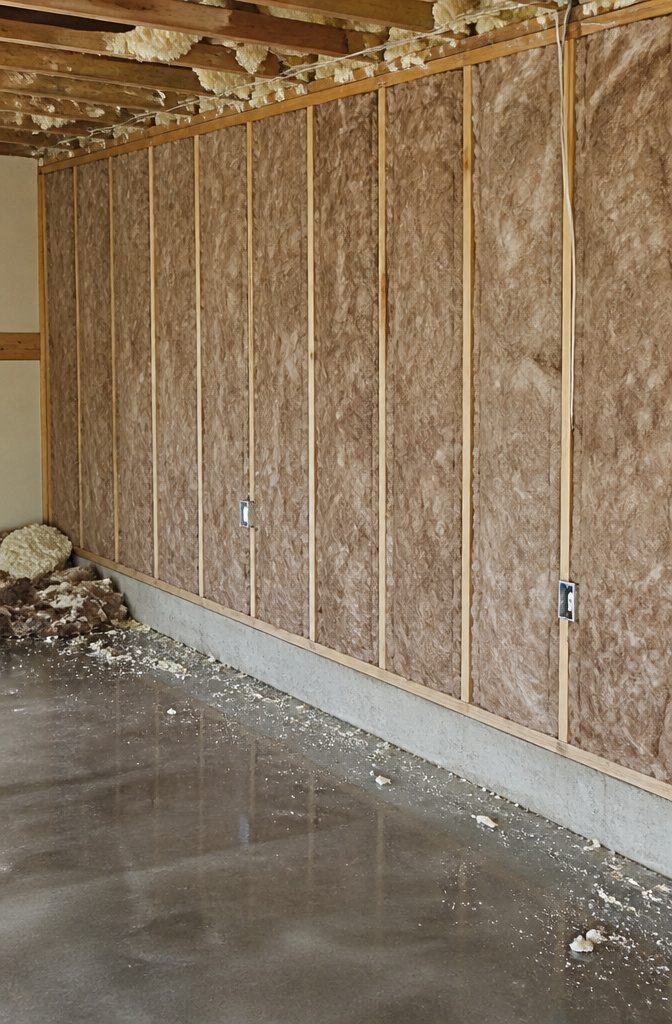
Plain concrete walls and an uninsulated garage door will make your office unusable for half the year.
The cold radiates through the slab in winter, and summer heat sits against the roof with nowhere to go. Insulation is where a garage conversion lives or dies, and this is also where the budget starts to bite.
Three paths cover the shell. Drywall over batt insulation is the cheapest upfront and the one I would pick for a basic conversion with standard stud bays already in place.
Rigid foam board gives higher R-value per inch if your walls are thin, but you will need to cover it with a thermal barrier, usually drywall, so the savings disappear.
Spray foam seals every gap and handles irregular framing, yet it costs the most and is harder to modify later. For a weekend timeline and a few hundred dollars, drywall and batts win.
The garage door is the weak point no wall insulation fixes. A well-insulated door makes the difference between a space you enter in January and one you avoid.
Weather stripping along the bottom and sides of both the overhead door and any entry door closes the air gaps that let conditioned air escape.
Cut corners here and you will feel it every morning. The heater runs constantly, the floor stays cold, and the money you saved on insulation goes straight to the utility bill.

2-IN-1: You can either stand this lamp up on its own or with the adjustable c-clamp, you can clamp it onto any surface either vertical or horizontal up to 2” wide. For places like the school, dorm room, office, bedroom

Super Bright & Eye-Caring: This LED desk lamp features a dual-head design for a wider lighting range, delivering high brightness while remaining soft and flicker-free; Reduces eye strain, making it ideal for home office, reading, studying, and long work sessions

RG0 Certified Eye-Caring Desk Lamps: LEPOWER LED desk light is designed with RG0 lamp beads and professional optical lenses, which 100% prevent hazardous blue light. Our desk lighting has reached the RG0 level in IEC 62778, effectively protecting your eyes from fatigue and preventing vision loss
5. Heat, Cool, and Ventilate
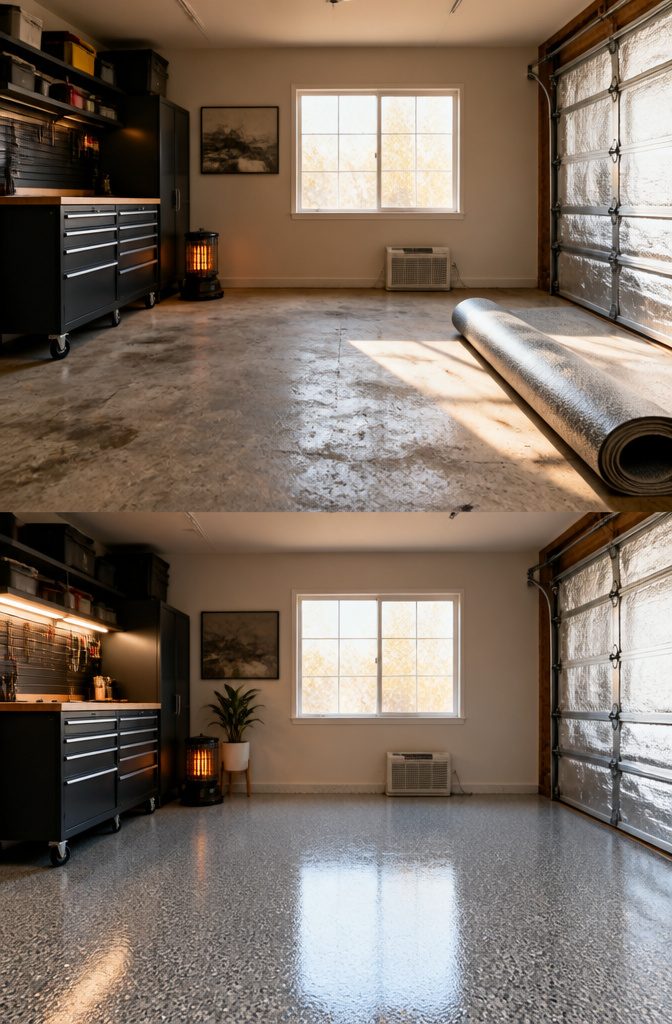
A garage that stays 65 degrees in January and 75 in July is the difference between a workspace you use and one you avoid.
Portable heaters and window AC units handle the extremes for about $200 to $500 total, run off standard outlets, and move with you when you leave.
That matters if you are renting or testing whether you will actually work out there before committing to something bigger.
Permanent HVAC tied to your home’s system costs more upfront but removes the daily hassle of rolling units in and out.
It also shows up in resale value in a way a space heater never will. If you own the place and plan to stay, the reliability is worth the investment.
Insulation and sealing come first either way. Without them, you are paying to heat the driveway.
A proper conversion runs 3 to 6 weeks if you are doing the shell, the systems, and the finishes in order rather than doubling back. Rushing that timeline means gaps the drafts find later.

[Newly upgraded mesh adhesive]: The upgraded mesh adhesive ensures the longest adhesion, is easy to operate, and is highly prone to peeling and sticking. Moreover, the presence of grid lines can ensure that the adhesive is firmly attached to the strip without leaving any traces
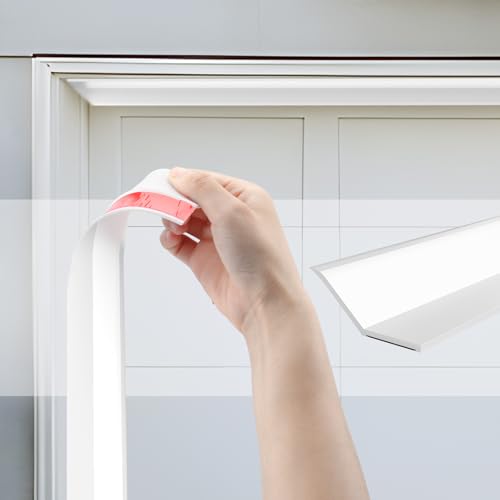
WEATHERPROOF & DURABLE: The garage door seal top and sides made from heavy-duty, weather-resistant TPE material, this seal withstands extreme temperatures, rain, snow, and dust for long-lasting protection
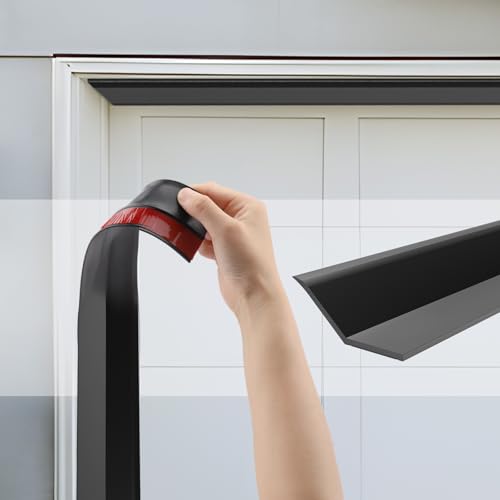
WEATHERPROOF & DURABLE: The garage door seal top and sides made from heavy-duty, weather-resistant TPE material, this seal withstands extreme temperatures, rain, snow, and dust for long-lasting protection
6. Floor and Light the Space
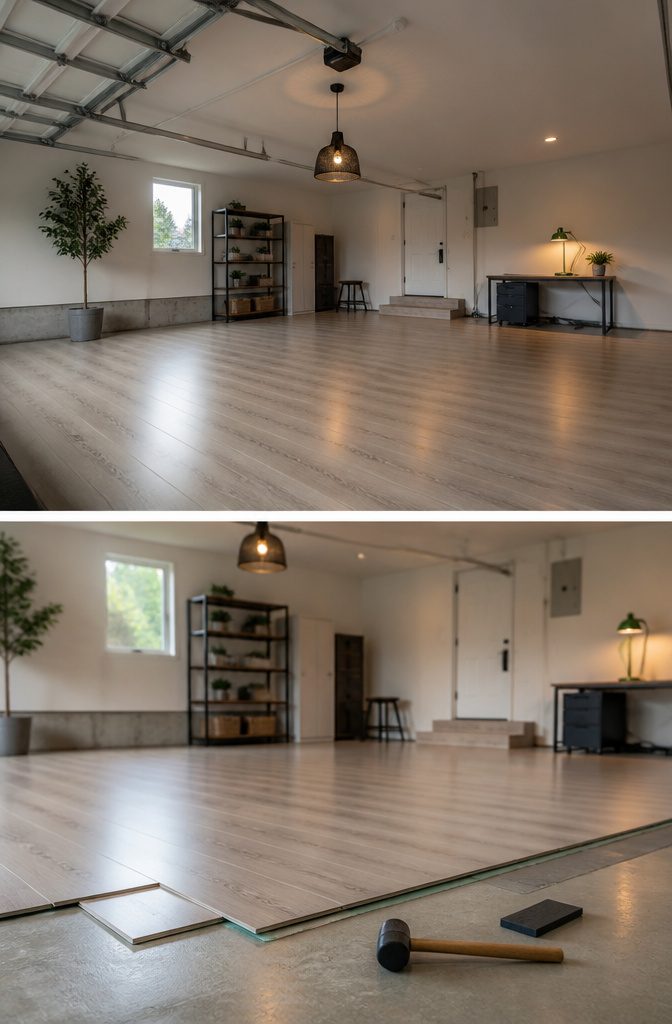
Plain concrete flooring belongs in a garage that stores cars, not one where you answer email for hours.
Laminate gives you the warmest surface underfoot for the least money, though it will show wear if you roll a chair across it daily.
Carpet tiles handle that traffic better and let you swap out the spot under your desk when it mats down, but they hold dust and never feel right in summer.
Polyurea coatings are the compromise I would pick: sprayed directly onto the slab, they seal out moisture and reflect overhead light back up at you, which matters more than people think in a windowless box.
Lighting makes or breaks whether this room feels like an office or a sentence. An overhead fixture alone flattens everything into shadow; a desk lamp alone turns the rest of the space into a cave.
A mix of overhead, task, and natural light is what separates a workspace you stay in from one you endure. If your garage door faces south, swapping in translucent glass panels buys you daylight without the glare.
Otherwise, budget for a bright overhead fixture plus a desk lamp with a dimmer, and place a second lamp across the room so your eyes relax on something other than the monitor’s glow.

WARM IN WINTER, COOL IN SUMMER: Built with advanced reflective insulation technology, this garage door insulation kit helps keep your garage warm in the winter by reducing heat loss through the door. The double aluminum foil layers reflect up to 97% of radiant heat and help block summer heat, providing improved year-round comfort and energy efficiency.

【High Quality】Garage door insulation kit is made of premium aluminum foil material, lightweight and odorless. The surface is aluminized film, the middle layer is polyethylene bubble. Bubble insulation films is not easy to break or deform, can be used for a long time. Tips: Please measure size of garage door to choose right size and quantity.

🌬️ Keep the Cold Out: Crafted from windproof Oxford fabric and heavyweight 180g cotton, this garage door insulation kit forms a protective barrier against cold drafts and rain. These door insulation for winter help maintain indoor temperatures, cutting down on extra heating costs and saving you money.
7. Choose Furniture That Works

A garage office lives or dies on the chair you pick.
A $200 ergonomic chair with adjustable lumbar support beats a $50 task chair by year two, when the cheap seat’s foam has flattened and your lower back starts talking back. I would spend the money here and save it elsewhere.
Foldable desks make sense for a garage because you can break them down when the car needs to come back in.
I would skip the wall-mounted floating desks that look clean on Pinterest; they shake when you type and rarely handle monitor arms.
A folding table with locking legs gives you a stable surface and a way out if the space has to revert.
Storage cabinets need to keep paper dust-free, which means doors, not open shelving.
Metal garage cabinets work if they are the kind with a rubber seal; otherwise, standard office storage holds up fine against concrete dust if you keep it a foot from the wall and check the baseboards yearly.
I would add one small filing cabinet on casters, not a full wall unit. Most garage offices do not grow into the space; they shrink into a corner, and heavy furniture fights that instinct.

Package: This package includes 1 pack of epoxy floor flakes weighing 453 g (1 lb), featuring a selection of understated yet versatile colors. It effectively caters to a wide range of your decorative requirements, whether for partial accents or full-area coverage.
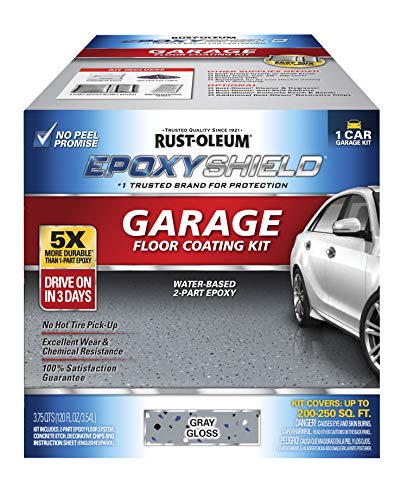
2-PART EPOXY COATING: Water-based epoxy kit finishes concrete garage floors in good, sound condition with a gloss, color-flecked finish

Provides floor with stain-resistance from food and drink spills and tracked-in dirt.
8. Secure What You Now Own

A garage sits closer to the street than any room in your house, which makes it the first place someone with bad intentions will test.
The passage from Valor Home Services puts it plainly: your computers, printers, and phones are right there behind a door that was never meant to guard anything worth stealing.
A deadbolt on the entry door costs about thirty dollars and an hour with a drill, and it stops more break-ins than any camera ever will.
Cameras record what happened; the lock keeps it from happening. I would spend the money on the lock first, every time.
Alarms and surveillance make sense once the hardware is solid. Motion-activated floodlights over the garage door cost little to run and send most casual thieves looking for an easier target.
Full camera systems with cloud storage run higher, but the investment matches the value of what you are parking in there now: a desk full of equipment that lets you earn a living.
The step people skip is the one they regret.
A friend in my old neighborhood lost two monitors and a laptop because his garage still had the same flimsy latch the builder installed in 1987. He bought the camera system the next weekend, but the lock should have been first.

High-Quality Metal: Letaya metal storage cabinet with whole-in-one reinforced heavy gauge steel deluxe welded frame, 2 locking doors are also strengthened by with additional steel bars, whole steel frame thickness up to 0.8 mm, rugged and not easily deformed, plate adopted environmentally powder coated finish, Moisture proof,capacity to resist corrosion and rust,Can be used for a long time

High-Quality Metal: Letaya metal storage cabinet with whole-in-one reinforced heavy gauge steel deluxe welded frame, 2 locking doors are also strengthened by with additional steel bars, whole steel frame thickness up to 0.8 mm, rugged and not easily deformed, plate adopted environmentally powder coated finish, Moisture proof,capacity to resist corrosion and rust,Can be used for a long time
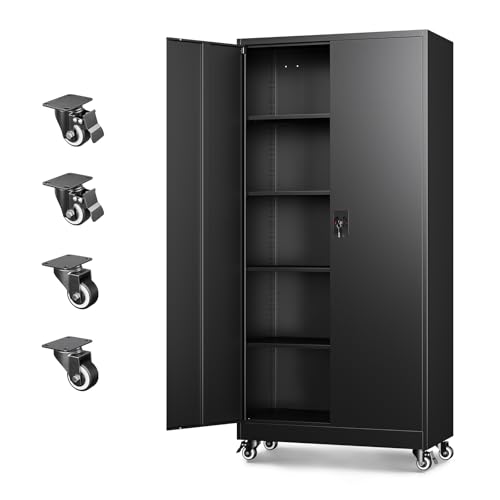
『Durable Metal Material』: Letaya metal storage cabinet is made up of 0.8mm steel ,rugged and not easily deformed, plate adopted environmentally powder coated finish, moisture proof ,capacity to resist corrosion and rust.
9. Make It Yours

Paint hides scuff marks better than bare drywall ever will, and a garage office needs that forgiveness.
I would go with a satin or eggshell finish on the walls; it wipes clean and does not show every bump the way flat paint does.
Grasscloth wallpaper adds texture if you want the space to feel less like a workshop, though I would keep it to one accent wall. It stains, and garage offices see more contact than a upstairs room.
For storage that reads as furniture, a bookshelf with a solid back panel looks built-in once you paint it to match the wall.
Filing cabinets hide under a slab of butcher block on top; suddenly they are a console table. I have seen this trick in ranch house kitchens, and it works the same here.
Plants matter for the video call background and for air that does not feel like you are parked next to the lawn mower.
Pothos, spider plants, jade plants, and cacti survive the low light and temperature swings that garage offices throw at them.
WeWork notes they cut stress and improve air quality; I would add that they give the camera something alive to look at.
A small sitting area with a low table and a chair you actually want to sit in breaks up the room.
If the garage is large enough, a game table or hobby surface lets you step away from the desk without leaving the space. That separation matters on long days.
Wall sconces or a portable desk lamp layer in light after the overhead fixture goes dim, and a few framed prints or a chalkboard wall give you something to look at besides the garage door rails.
The industrial bones stay; you are just dressing them up enough to forget where you are.
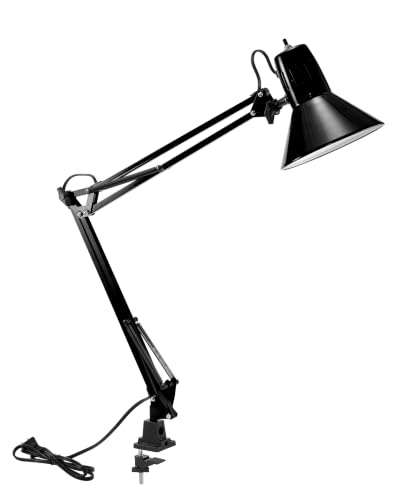
Versatile placement options - attached clamp for desktop mounting and versatility

Versatile LED Desk Lamp: This modern desk lamp features 52 eye-friendly LEDs with 5 adjustable brightness levels and 5 lighting modes, perfect for reading, studying, working or relaxing

[Multiple Lighting Choices] - This LED desktop lamp offers 5 lighting modes, each of which can be paired with one of 5 brightness levels, making it suitable for various needs, from bright white light for home office work to soft warm light for bedside reading.
10. Test the Tech Before You Need It
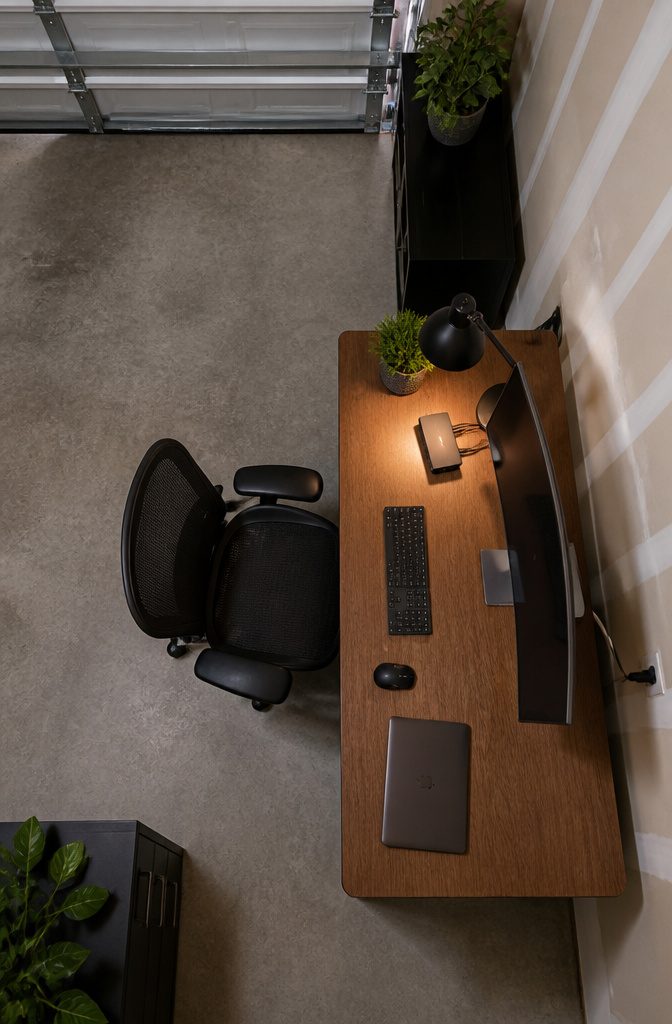
A garage office separated from the house by two fire-rated walls is a connectivity problem waiting to happen.
WiFi through that much dense material drops to a trickle, and casual browsing will not tell you what a video call with screen sharing does. Run ethernet from the router before you move the desk in.
A cable to the garage, terminated at a wall plate or a small switch, eliminates the guessing. WiFi extenders and portable hotspots are backup plans, not foundations, and hotspots add a monthly cost that cable avoids.
Test the setup on a real workday, not a Sunday afternoon. Open the tabs you actually use, join a video meeting, and run a backup to the cloud while you are on that call.
If the connection chokes, you want to know while you can still run a cable through the attic, not when a deadline is due.
Security matters more here than in any other home office. The garage is the room closest to the exterior, the one a thief tests first.
Add a door sensor, a motion light, or a camera you can check from the house. The equipment inside, computers and printers, is worth more than most garage contents ever were.

Thickened Silicone Material-Heat And Cold Resistant:Door Draft Stopper is made of pure silicone material, easy to bend and deform.Smooth surface, high resilience.Draft Stopper for Bottom of Door puts up with all the abuse, it has no "compression memory", wont't damage the floor, and is pliable enough that you can easily still open the door along the crooked floor and against daily wear
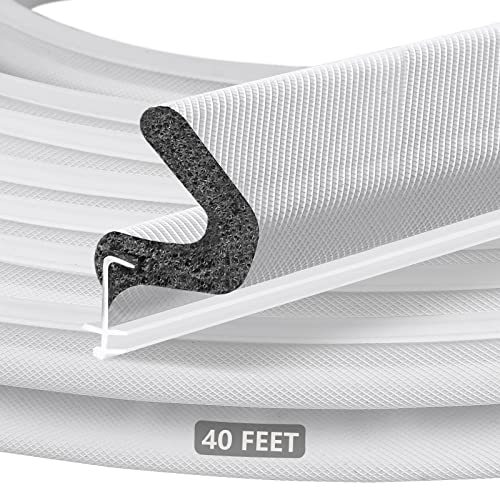
Press-In Kerf Fit: This weather stripping door seal fits 1/8" kerf slots and 1/4"–1/2" closed door gaps. For pre-cut kerf frames only; not self-adhesive. Measure before ordering

High Quality Material: 40 Feet Garage door seal top and sides is made of high quality durable TPE. Elvone Garage Weather strip top and sides seal remains elastic and is not easy to crack or slide at extreme temperatures (- 58 °F -275 °F)
Plan and Budget Realistically
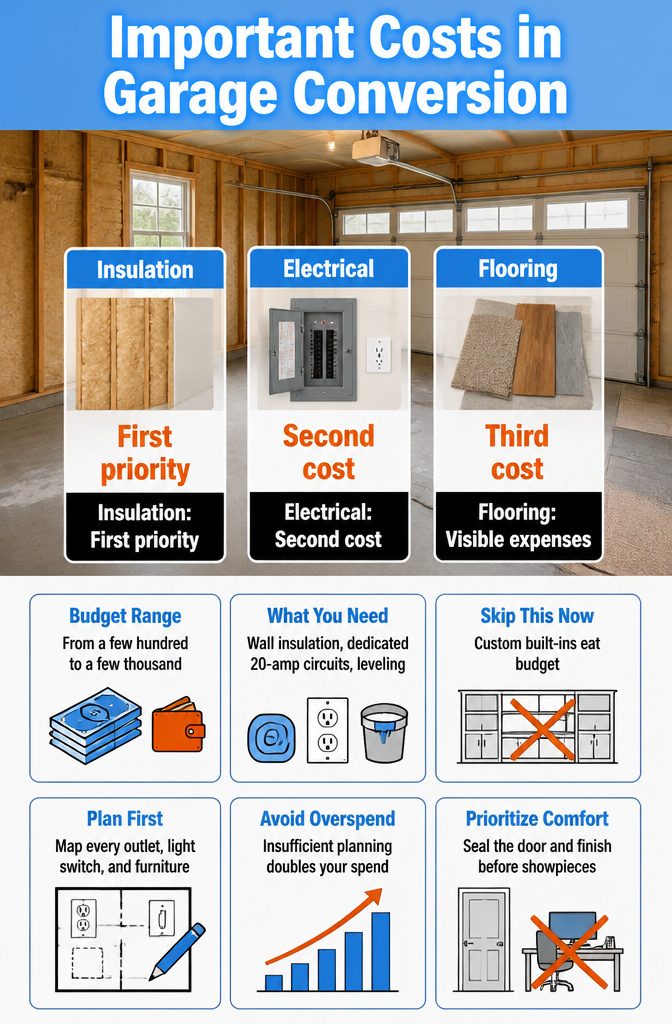
The biggest cost drivers in any garage-to-office conversion are insulation, electrical, and flooring, in that order.
Insulation is first because most garages were built to store cars, not people; the walls have minimal batting if any, the door is unsealed, and the windows are single-pane afterthoughts.
Electrical comes second since running new circuits for computers, heaters, and decent lighting usually means upgrading the panel or pulling wire through concrete block.
Flooring ranks third not because it is cheap, but because it is visible and forgiving: you can lay carpet tiles or rigid LVT over concrete yourself in a Saturday, while insulation and wiring demand either serious skill or a hired hand.
That is where the money splits. A few hundred dollars covers paint, a rug, and a portable heater you plug into existing outlets.
Stepping up to a few thousand means adding wall insulation, running dedicated 20-amp circuits, and maybe pouring a leveling compound before your finished floor goes down.
Skip the custom built-ins at this stage; they eat budget that should go to making the space usable year-round.
Insufficient planning is the fastest way to double your spend, so map every outlet, light switch, and piece of furniture before you touch a wall.
I would rather finish with drywall and a door that seals than with a showpiece desk and a garage that hits 95°F in July.
Comfort Features Compared
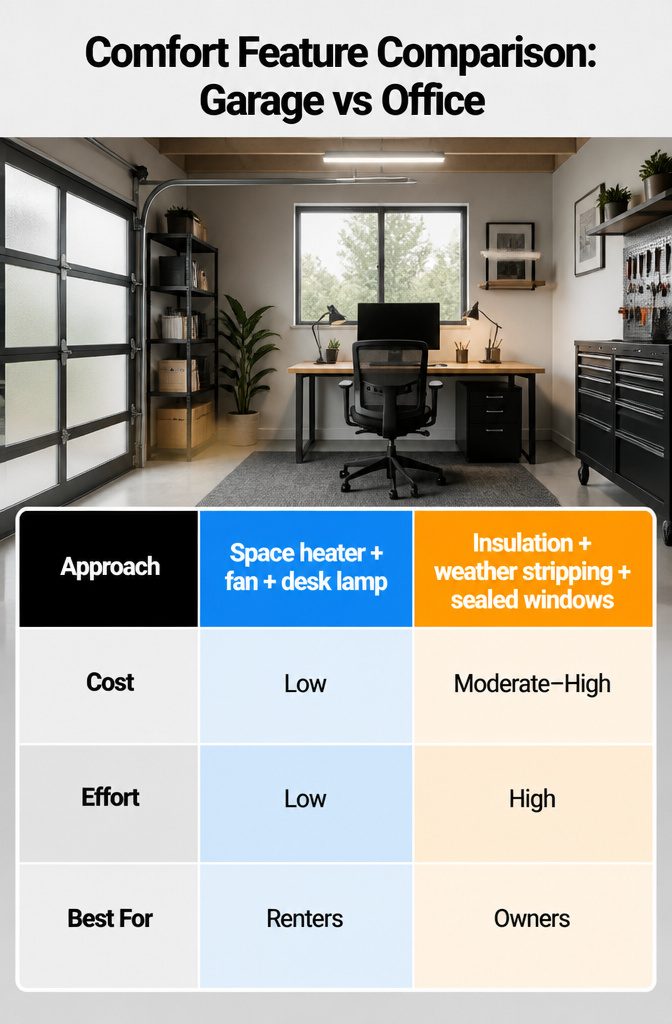
Insulation separates a garage office from a storage unit you work in. Two paths exist: quick fixes for renters, and permanent upgrades for owners who plan to stay.
A space heater and fan handle temperature for under a hundred dollars, but only where you point them. For year-round comfort, insulate the shell, add weather stripping under doors, and seal or replace windows with energy-efficient models.
Double-pane windows and insulated doors keep temperature steady regardless of weather. Flooring matters too: plain concrete is hard to insulate, while laminate, engineered wood, or polyurea coatings layer in some thermal break.
Lighting splits the same way. Overhead light plus a desk lamp covers the basics.
For garages short on natural light, replacing the old door with translucent or sliding glass panels brings in daylight and improves ventilation. Start small before committing to a full transformation.
| Approach | Cost | Effort | Best For |
|---|---|---|---|
| Space heater + fan + desk lamp | Low | Low | Renters, mild climates |
| Insulation + weather stripping + sealed windows | Moderate–High | High | Owners, year-round use |
| Translucent/sliding glass door + upgraded flooring | High | High | Permanent office conversion |
Renters get the short list: a thick blanket over the garage door, portable heat, and bright, pleasant task lighting.
That is enough to make it workable. Owners building a real office should insulate first, then heat and cool; anything else fights the structure instead of working with it.
Frequently Asked Questions
Do I need permission to convert my garage into an office?
Yes. Building permission is required to convert a garage into a living space, including a dedicated home office.
Electrical, mechanical, and plumbing permits sit on top of that if your plans touch those systems. Regulations differ by state and often by city, so call your local building department before you buy a single stud.
What insulation and flooring options are best for a home office conversion?
Avoid plain concrete flooring and choose laminate, carpet tiles, or a polyurea coating instead. For insulation, drywall over batt insulation works for basic conversions with standard stud bays.
Rigid foam board fits thin walls but needs a thermal barrier cover. Spray foam seals every gap but costs the most and is harder to change later.
How long does a typical garage-to-office conversion take?
A proper conversion runs 3 to 6 weeks if you do the shell, systems, and finishes in order. Labor-intensive work like demolishing walls and rewiring takes longer, and rushing the timeline means gaps that drafts find later.
What are the best lighting solutions for a garage office?
A mix of overhead, task, and natural light separates a workspace you stay in from one you endure.
Add a desk lamp with a dimmer and a second lamp across the room so your eyes relax on something besides your monitor. If your garage door faces south, translucent glass panels buy daylight without the glare.
How can I convert my garage into an office space?
Start by clearing clutter and sorting into donate, discard, and keep piles. Check your ceiling height, electrical capacity, and garage door condition.
Get permits sorted, then insulate and seal the shell before running heating, cooling, and ventilation. Finish with flooring, lighting, furniture, and security upgrades.
What are some ideas for a compact home office setup?
Use a folding desk with locking legs so you can break it down when the car needs to come back in. A storage cabinet with a solid back panel looks built-in once painted to match the wall.
Add a small sitting area with a low table and chair to break up the room, and keep plants like pothos or spider plants that survive low light and temperature swings.
What is the cheapest way to convert a garage into living space?
A few hundred dollars covers paint, a rug, and a portable heater plugged into existing outlets.
Skip custom built-ins and spend that money on making the space usable year-round. Renters can get by with a thick blanket over the garage door, portable heat, and bright task lighting.