
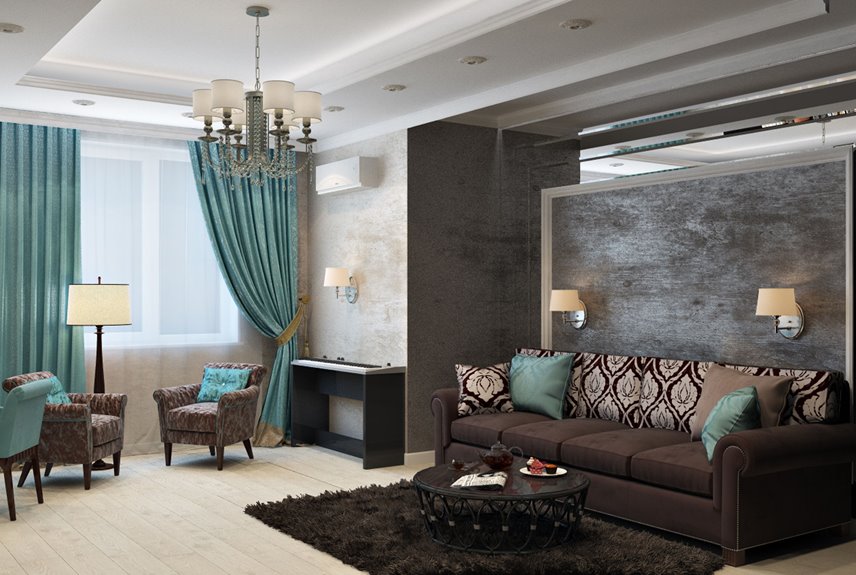
I used to think “contemporary” just meant “new,” but then I spent three hours rearranging my modular sofa for the fourth time that month and realized something important. It’s about living in the now, not just buying it.
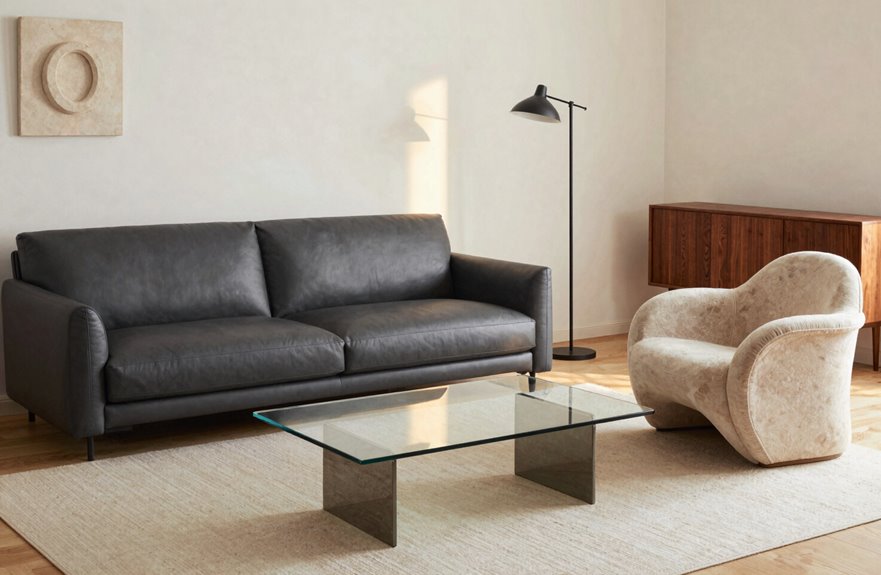
Contemporary furniture evolves with current trends, featuring clean lines, warm neutral palettes, and adaptable pieces that grow with you. Think glass coffee tables that disappear into a room, or sectionals that transform from L-shapes into separate seats when your life shifts. It’s flexible, breathable, and never frozen in time like modern design, which is stuck in 1933 to 1965.
The best part is that you’re not locked into one look forever. These pieces allow for greater flexibility in how you adapt your space over time.
What “Contemporary Furniture” Really Means Right Now
So what does “contemporary” even mean when I walk into a furniture store these days. I’ve figured it out, and I’m bringing you along.
Contemporary furniture isn’t stuck in one era. It’s what’s happening right now. I’m talking clean lines that make your space feel organized and intentional. A neutral palette, think warm grays and soft creams, lets you add that wild emerald pillow without creating visual chaos.
The standout feature is modular pieces. A sofa that breaks apart and reconfigures follows you from apartment to house like a loyal friend. It’s adaptable and ready for whatever changes come next. We’re choosing furniture that grows with us, not against us.
Contemporary vs. Modern Furniture: The Key Differences

I used to think “contemporary” and “modern” were the same thing. I was wrong, and you might be too.
When we talk contemporary vs. modern, we’re comparing two totally different design styles. Modern furniture locks into that 1933–1965 period. Think Eames chairs, those iconic clean lines, industrial materials, and minimal ornamentation. It’s timeless but fixed, like your favorite vintage band that never changes its setlist.
Contemporary furniture is current, reflecting present-day trends and mixing modern simplicity with bold curves, warm textures, and perhaps Art Deco elements. It features adaptable forms that shift with current seasons and preferences.
Why Contemporary Furniture Designs Keep Changing

I can’t help but get excited when I spot a curved bouclé sofa that somehow whispers mid-century while shouting 2024, because that’s the magic of contemporary furniture. It refuses to sit still. It’s not locked in amber like “modern” or “Victorian,” so when I say “contemporary,” I’m really describing this living, breathing thing that shape-shifts with whatever we’re collectively vibing on right now (terrazzo side tables, anyone?). That fluidity keeps me on my toes as a shopper, sure, but it also means my living room can evolve without me having to torch everything and start over. My wallet’s still recovering from my brief, misguided obsession with farmhouse chic.
Evolving Design Trends
Why does my living room look dated when I just bought that sleek sectional three years ago? Because contemporary design trends shift constantly, and I’m chasing a moving target.
I learned that modern furniture isn’t anchored to one era. It borrows, blends, and evolves. Remember when clean lines and minimalism ruled everything? Neutrals, straight edges, zero clutter. Now I’m seeing curves everywhere. Soft, sculptural sofas, warm terracottas, and playful shapes dominate current aesthetics. Mid-Century Modern keeps creeping in too, those honeyed wood tones and streamlined silhouettes I can’t resist.
Materials and finishes transform just as fast. Matte black hardware yesterday, brushed brass today, who knows tomorrow. Flexibility and adaptability matter most because they allow pieces to function across multiple design movements. I want pieces that shift with me, mixing with boho throws or deco lamps without looking confused.
We’re not decorating wrong. We’re living in a time when design evolves rapidly and constantly.
Fluid Style Definition
How does contemporary furniture manage to feel perpetually new yet somehow familiar? Contemporary style resists rigid categorization across single eras, allowing spaces to feel lived-in rather than curated.
Designers blend Mid-Century Modern curves with Art Deco glam, or incorporate post-modern boldness for visual interest. The result: pieces that feel like old friends wearing new outfits.
Minimalism doesn’t require visual boredom. Clean lines pair with sculptural lamps or velvet throw pillows for textural contrast. The adaptability matters considerably. Flexible, modular sofas shift when a tiny apartment needs to become a guest room, or when furniture rearrangement happens at 2 AM due to restlessness.
Contemporary furniture evolves with its inhabitants, responding to changing needs and preferences over time.
The Materials That Define Quality Contemporary Pieces

I’ve always believed that the soul of any contemporary piece lives in what you can actually see and touch, not some hidden frame you’ll never inspect. When I’m hunting for furniture that’ll last, I gravitate toward sustainable woods, think warm walnut grains that catch afternoon light, or oak with those honest knots that tell you “I’m real, deal with it.” These pair well with crisp glass tops and brushed metal legs that somehow feel both industrial and inviting. The mix of earthy and sleek materials creates visual tension that makes a room feel alive. A well-joined steel corner demonstrates the craftsmanship that separates quality contemporary pieces from disposable furniture.
Natural Material Selection
I’ve run my hands across enough veneer nightmares to know that quality surface materials matter. Real wood grain, solid metal legs, and substantial glass are not just pretty details; they’re the building blocks of furniture that lasts. I once bought a “bargain” table with suspiciously perfect wood patterns. It peeled within months.
Now I check corners, knock on frames, and look for customization options that let me choose my finish. Your home should reflect your own taste, not feel like a borrowed showroom display.
Sustainable Wood Choices
Where do I even start when the wood itself tells a story worth hearing? I’m drawn to sustainable wood because it connects us to something bigger: certified forests where trees regenerate, where I’m not just taking, I’m participating.
Reclaimed wood is my favorite. That weathered barn beam, those nail holes telling tales of fifty years past, gets new life instead of ending in a landfill. It’s imperfect, character-rich, and resourceful to use.
I always check for FSC or PEFC labels because durable materials matter. Solid wood lasts decades, not seasons. I’m building pieces that will be passed down through generations rather than discarded within a few years. Water-based, low-VOC finishes minimize odor and protect my family’s health.
Local, fast-growing species cut transport emissions too. Every choice I make builds toward our shared future, one beautiful piece at a time.
Metal and Glass
I learned this the hard way after buying a chunky oak desk that ate half my office. Now I’m all about metal and glass, the dynamic duo that makes spaces feel bigger, brighter, and more put-together.
Glass tops bounce light around, creating gorgeous reflections that practically double your square footage. Pair that with stainless steel legs or frames, and you’ve got furniture that looks expensive but doesn’t demand your whole paycheck.
The hardware stands out most: sleek drawer pulls, minimal hinges. Everything serves the design, nothing demands attention. The finishes stay honest; raw, polished, brushed materials speak for themselves. No fake distressing, no pretending to be something they’re not.
It’s clean, it’s confident, and it’s where contemporary design lives right now.
Clean Lines and Bold Accents: The Contemporary Signature

The first thing I notice when I walk into a room with real contemporary furniture is how it breathes. Clean lines draw your eye across the space like a fresh horizon, with no clutter competing for attention. This is minimalism executed well, confident rather than cold.
Bold accents pop against smooth textures, perhaps a vivid orange pillow on a stainless steel frame or glass catching light in unexpected ways. The effect is playful without pretension.
Contemporary furniture draws from mid-century modern design, those gentle curves that soften hard edges, then reimagines them for today’s living. Wood adds warmth and keeps spaces livable.
Modularity shifts the entire equation. A sectional adjusts when you move, when circumstances change. You’re not locked into a single configuration. The furniture adapts to your life rather than demanding you adapt to it.
How to Judge Construction Quality Before You Buy
How do you know if that gorgeous sofa will still feel like a dream in five years, not a sagging regret? I’ve learned to start with my eyes. Real wood grain, honest steel, glass that feels substantial, and textiles that beg to be touched tell you everything about quality before you even sit down.
Next, get nosy about joinery. Ask what’s holding that slim profile together, because proper backing and smart construction mean strength without bulk. Sit down and stay there for ten minutes, minimum, to see if cushions bounce back or surrender.
Run your hands across surfaces, checking for full-grain leather, flawless veneers, and metal finished with care. Always explore customization options. The right upholstery choice and perfect dimensions transform your piece into something that fits your life exactly as intended.
Buying Mistakes That Cheapen Contemporary Spaces
I’ve learned the hard way that snagging a “steal” on paper-thin metal chairs, gorgeous in the store and wobbly by week three, can torpedo an entire room’s vibe faster than expected. When I cheaped out on particleboard veneer for my media unit, the peeling corners basically screamed “college dorm,” and I’m still cringing. Let me walk you through the budget traps and material shortcuts that will damage your space’s quality, because I’ve made every single one.
Common Budget Pitfalls
Why do we always think we’re outsmarting the system when we grab that “too good to be true” sofa? I’ve been there, patting myself on the back for my “modern” steal, watching that cheap upholstery pill within months, those clean lines turning lumpy, sad shadows of themselves.
Durability isn’t boring; it’s everything. I skimped on solid frames once, and my “contemporary” piece sagged like a deflated balloon. No proportions remained, just visual chaos in my open floor plan.
And neutrals? I chased trendy jewel tones and dated myself instantly. Now I anchor with warm greys and play with pillows instead.
Don’t forget hidden costs. Delivery, assembly, and maintenance add up quickly. Measure twice, buy once, and join others learning from these mistakes.
Material Quality Compromises
Every single time I think I’ve spotted a “bargain,” the material tells on itself before I’ve even tossed the receipt. That “wood” desk? Particleboard in a solid wood costume, swelling at the first coffee ring.
I’ve learned durability isn’t negotiable in spaces we actually live in. Check frame construction before you fall for the floor model. Wiggle it, lift it, peek underneath. Cheap corner blocks crack, and suddenly your sofa’s doing the limbo.
Upholstery quality matters more than the Instagram angle. Low-density foam turns to pancakes in months, and that “vegan leather” peels like a sunburn.
For real longevity, I’m chasing repairability now. Refinishable tables and reupholsterable chairs last longer than one-time purchases. Custom sizing avoids disposable trends. Your space deserves materials that age with you, not against you.
Contemporary Furniture Room by Room: Where It Works Best
Where exactly do you place that sleek, low-slung sectional without turning your living room into a furniture showroom disaster? Contemporary design isn’t about perfection. It’s about breathing room.
In my living room, I stick to one statement piece, maybe that buttery leather sectional, paired with a single sculptural chair and a glass coffee table that practically disappears. Clean lines keep sightlines open, especially in tight corners where bulky traditional pieces would suffocate you.
My dining room uses round pedestal tables to save your shins in cramped spaces. I found chairs with slim profiles and zero fussy carving that slide under easily.
Modular furniture lets you pivot when life shifts. Contemporary styling embraces proportion over matching sets, so you can live in a home that evolves with you, not against you.
Why Modular Designs Suit Contemporary Living
I’ve learned that committing to one rigid furniture layout creates practical problems when your life inevitably shifts. Modular pieces solve this challenge.
Our lives aren’t static, so why should our sofas be. I’ve watched my own modular sectional transform from cozy movie-night nest to sprawling party horseshoe with minimal effort.
Why modularity works:
- Endless configurations — My sectional becomes an L-shape, a pit, or separates into individual seats when my sister crashes for a week
- Space efficiency — I added an ottoman module instead of cluttering my tiny apartment with extra furniture I don’t need
- Real customization — I picked charcoal bouclé for practical reasons, like hiding cat hair, and you get finishes that actually match your needs
This modular approach means my furniture adapts as my circumstances change, rather than forcing me to work around fixed constraints.
Customizing Contemporary Pieces Without Losing Their Edge
When I first started customizing my furniture, I worried I’d accidentally create something that looked like a confused mashup of Pinterest boards, too many choices and not enough restraint. What I’ve learned is that customizable contemporary pieces actually sharpen their edge when you approach them thoughtfully.
The magic lies in modularity and flexibility. Think sectionals that shift when you move, or shelving that grows with your collection. I’ve tailored finishes on my own credenza, swapping glossy white for warm walnut, and suddenly it felt like mine without losing that clean contemporary line.
| Element | My Approach | The Payoff |
|---|---|---|
| Size | Measured twice, cut once | Perfect fit, zero awkward gaps |
| Fabric | Performance weave, charcoal | Survives my coffee habit |
| Configuration | Modular sectional, re-arrangeable | Adapts to every apartment |
| Finish | Matte brass hardware | Subtle warmth, still modern |
| Construction | Solid wood frame | Durability that outlasts trends |
Durability matters because you won’t need to replace pieces every few years. Reputable makers like Giorgi Bros. Furniture demonstrate that honest materials and careful construction let you personalize without diluting the design’s punch. Your space should feel like you belong there, with sharp edges intact.
The Historical Influences Behind Today’s Contemporary Furniture
Understanding how I can tweak a piece to feel like mine got me wondering where these clean lines and bold shapes came from, and the answer is a mix that deepens my appreciation for contemporary furniture.
The clean lines and bold shapes I love come from a mix of influences that deepens my appreciation for contemporary furniture.
I see it everywhere. My living room is basically a time-traveling party where eras crash together in the best way. Here’s what I’m talking about:
- Bauhaus geometry gives us those crisp angles and functional forms that work without unnecessary embellishment.
- Scandinavian warmth softens the edges; think light woods and that cozy hygge vibe we all crave.
- Mid-century modern curves sneak in, plus post-modern boldness keeps things playful, not sterile.
We’re not stuck in minimalism as a limiting constraint. Contemporary design evolves with us, borrowing and bending from multiple influences to become distinctly personal. Furniture that reflects our values carries our whole history forward.
How to Make Contemporary Furniture Last for Decades
Because I’m the kind of person who still has the coffee table I bought in my twenties (scuffs and all, which I now call “character”), I’ve learned that making furniture last isn’t about being precious. It’s about being smart from day one.
I always check the bones first: solid wood frames, reinforced corners, real craftsmanship you can feel. Cheap particleboard? Hard pass. I want durability that ages like a good wine, not a sad cracker. Modular pieces are my ace in the hole. Swap the upholstery, reconfigure the layout, and suddenly it’s brand new again.
| What to Prioritize | Why It Matters |
|---|---|
| Solid wood frames | They don’t warp, crack, or sag—ever! |
| Reinforced joinery | Strong corners = decades of stability |
| Modular designs | Reconfigure, refresh, never replace |
| Quality upholstery | Reupholster, don’t trash it |
Invest in repairable finishes and timeless appeal. You’ll join the group of people who actually love their possessions and keep them for decades.