I’ve rescued walls so scuffed they looked like modern art gone wrong, and I’ll walk you through my seven-step rescue plan. First, I confirm it’s truly flat paint by checking for shine when I tilt the light.
Then I dust thoroughly, because wet dirt becomes wall tattoos.
Warm water and the softest sponge I own come next, applying gentle circles from top to bottom.
Stubborn fingerprints require a drop of dish soap.
For stains, I dab with a melamine sponge without scrubbing.
I dry the surface completely with fans running, because streaks are problematic.
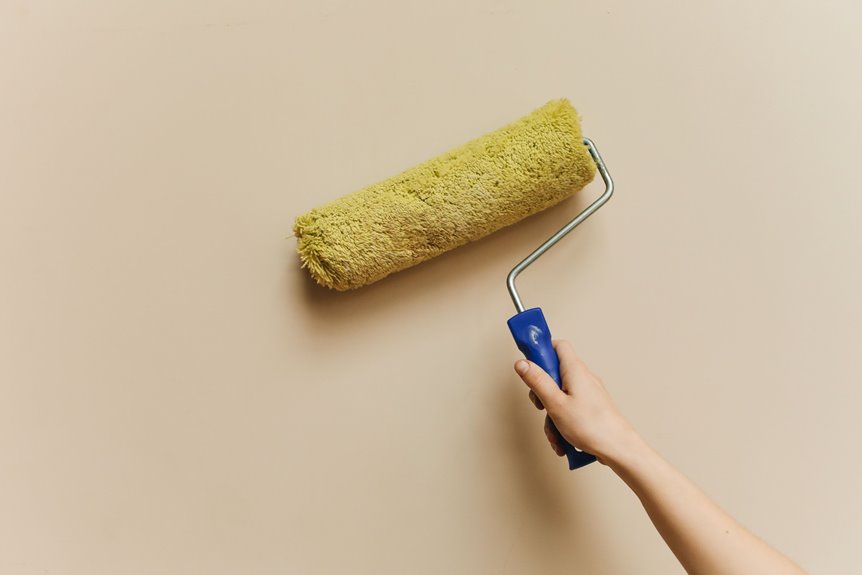
Finally, I feather in matching paint where needed.
Your walls will look velvety again with this seven-step process.
Confirm You Have Flat Paint, Not Matte or Eggshell
Before I grab a sponge and go to town on these walls, I need to make absolutely sure I’m dealing with flat paint. Flat, matte, non-reflective finishes look velvety, almost like suede, and they swallow light whole instead of bouncing it back. I angle my phone flashlight against the wall, searching for shine. If I spot no reflection, that’s correct. If I spot even a whisper of glow, that’s eggshell or satin, and I’m scrubbing with the wrong playbook entirely. I’ve got paint cans stashed in my basement, so I check labels for “flat” or “matte” terminology when I’m confused. Your walls need this verification step to ensure proper cleaning results.
Dust Flat Paint Walls Before Washing
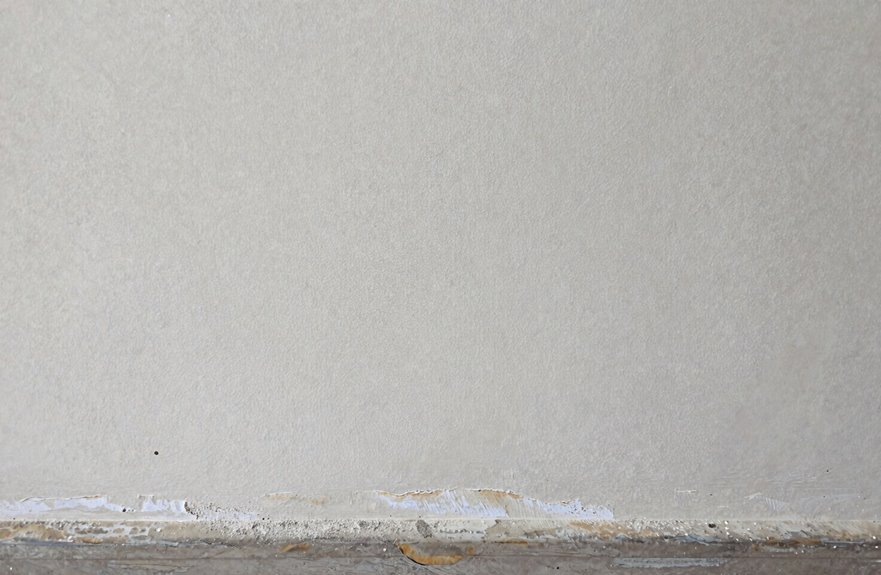
I learned the hard way that skipping the dusting step turns your wall wash into a gritty paint-ruining nightmare. I’ve got the faint streak marks in my hallway to prove it. Before I even think about water or soap, I grab my feather duster (or an old dry towel in a pinch) and a step stool, because I’m way too short to reach those cobwebby corners where dust loves to collect. You’ll want a vacuum with a brush attachment too, since loose dust is sneaky and flat paint is basically a dirt magnet that’ll smudge if you rub dry grit into it.
Why Dusting Matters
A quick swipe with a feather duster seems simple, right? I used to skip this preparation step, thinking water and soap would handle everything. That was a mistake. I ground dirt right into my soft, delicate flat paint, creating smudges that remained visible for months.
Dusting matters because dry dusting lifts surface grime before it bonds with moisture during washing. Think of it like sweeping before mopping; you’re protecting that velvety finish from becoming patchy or weirdly shiny. Regular dusting between deep cleans keeps walls looking fresh longer, especially in high-traffic spots where grubby hands leave their mark.
Without this step, you’re pushing dirt into crevices and making harder scrubbing necessary later. Your flat paint requires this gentle care.
Tools You’ll Need
Wall-cleaning day demands the right gear. I learned this the hard way after showing up with just a soggy paper towel and false confidence.
Here’s what I always grab now:
- A fluffy feather duster that swirls through sunbeams like a magic wand
- A soft, dry towel for catching that first layer of dusty surrender
- A trusty bucket mixing warm water, white vinegar, and gentle detergent into my go-to cleaning solution
- A damp sponge, ready to glide in circles from crown to baseboard
I keep a fresh rinse sponge nearby, plus baking soda for stubborn spots. This approach produces walls that look professionally cleaned.
Clean Flat Paint With Water and a Soft Sponge
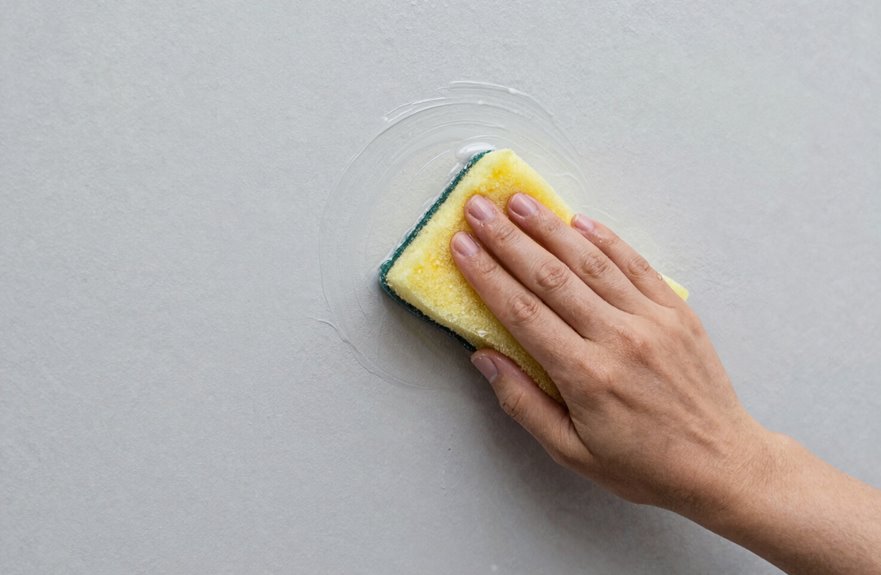
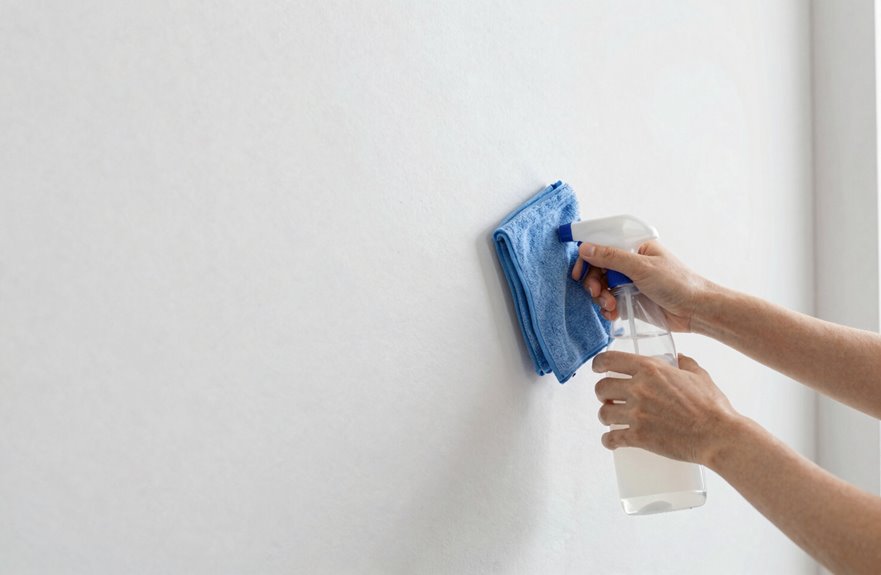
I’ll gather my supplies first: a soft sponge, warm water in a bucket, and an old t-shirt for drying. Avoid anything abrasive on your walls. Use lukewarm water, not scalding hot, since extreme temperatures can damage the paint finish. Then wipe in gentle circles, starting high and working down. Gravity assists this process, so work with it rather than against it. Circular motions lift dirt instead of just pushing it around, similar to polishing a large, flat surface.
Gather Your Supplies
The right tools make all the difference between a wall that looks refreshed and one that looks like it’s been attacked with a paper towel and regret. Before touching that gorgeous flat finish, gather your supplies.
Here’s what to picture in your cleaning caddy:
- A plump, cloud-soft sponge that squishes gently in your palm. No scratchy scourers allowed.
- A sturdy bucket, the faithful workhorse holding your wash solution.
- Dish detergent, that magical degreaser cutting through mysterious wall smudges.
- A fluffy towel, ready to pat everything dry like you’re tucking the wall into bed.
Flat paint demands respect, and having these supplies ready means you’re already winning. No mid-clean panic runs to the store are necessary.
Use Warm Water
Why start with anything fancier than warm water when your flat paint walls might just need a gentle wake-up call. I’ve learned, sometimes the hard way, that less truly is more with these delicate finishes.
| Approach | Tool | When to Use |
|---|---|---|
| Plain warm water | Damp sponge | Light dust, fingerprints |
| Warm water + drop of dish soap | Fresh sponge | Stubborn smudges |
| Rinse thoroughly | Clean sponge | After any soap |
| Pat dry immediately | Soft cloth | Every single time |
I wet my sponge, wring it nearly dry, with barely-there moisture, and I’m ready. No cleaning solution yet, just patience and confidence in the process. For tougher spots, I’ll gradually add mild soap, rinsing my sponge constantly. I’ve ruined finishes with harsh chemicals, so now I test everything hidden behind furniture first. Your walls will benefit from this gentle approach, and it prevents damage to the finish.
Wipe Gently Circularly
Grab your softest sponge. I’m talking cloud-level soft, not that scratchy thing under your kitchen sink. I learned this the hard way after ruining my bedroom wall with something that felt like sandpaper. Never again.
First, I clear away dust with a quick once-over. Then I dampen my sponge, wrung out and not dripping, and work in gentle circular motions from top to bottom. Picture this:
- Your arm sweeping wide, like you’re waxing a vintage car you actually love
- The sponge gliding, not scrubbing, leaving no trail behind
- Small sections, one at a time, because patience pays
- The moment when the wall breathes clean again
I rinse constantly, keep it simple with warm water, and dry immediately with a soft cloth. Your flat paint will maintain its finish and appearance when cleaned this way.
Wash Flat Paint With Mild Soap for Fingerprints

Ever wonder why your pristine matte walls look like a crime scene after a dinner party? Those fingerprints aren’t just annoying, they’re practically glowing under your track lighting. I’ve been there, staring at smudges like they’re personal attacks on my aesthetic.
My go-to fix involves mild detergent mixed with one tablespoon of soap to warm water, applied gently in circles. Flat paint demands respect, not aggression.
| Problem | My Solution | Why It Works |
|---|---|---|
| Oily prints | Mild soap blend | Breaks down grease without stripping finish |
| Dust buildup | Dry duster first | Prevents muddy streaks |
| Soap residue | Fresh rinse water | Keeps that velvety matte look |
| Wet spots | Soft cloth dry | No shiny patches left behind |
Your walls will look noticeably better with this cleaning method, and your guests will notice the difference.
Remove Stains From Flat Paint Without Scrubbing

How do you even begin when that red wine splatter stares back at you like a bullseye on your gorgeous matte accent wall. I’ve been there, frozen, wine glass in hand, mentally redecorating. This rescue plan actually saves flat paint without that aggressive scrubbing we all dread:
- Grab a melamine sponge, dampen it with water, and gently lift that stain. Check for paint transfer carefully.
- For stubborn marks, lightly rub with baking soda on a damp cloth, barely touching the surface.
- Whip up a mild cleaning solution with dish soap, distilled vinegar, and warm water. Wipe in circular motions, top to bottom.
- If needed, feather in matching flat paint to restore that seamless, velvety finish.
Dry Flat Paint Walls Completely
Because I’ve learned this the hard way, standing there admiring my freshly cleaned wall, only to watch a drip mark bloom into a streaky nightmare an hour later, drying flat paint completely isn’t some boring afterthought. It’s the difference between a professional-looking finish and one that needs redoing.
I grab a soft, absorbent cloth (old flour sack towels work well) and gently wipe every inch I’ve cleaned. No rubbing, just careful pressing, like I’m blotting lipstick on a tissue. Then I let air do the heavy lifting. I open windows, crank a fan, whatever gets airflow moving.
Here’s my drying breakdown:
| Drying Stage | What I Do | Why It Matters |
|---|---|---|
| Initial blot | Press cloth gently | Stops drips from streaking |
| Air circulation | Open windows, fans | Speeds up evaporation |
| Patience period | Wait 30-60 minutes | Flat paint needs time |
| Inspection | Check for glossy patches | Catches moisture traps early |
| Final verification | Hand feels dry, looks matte | Confirms success |
This cleaning technique only works when drying receives adequate time and attention.
Touch Up Scuffs or Plan to Repaint
I’ve been there, staring at that mark like it personally wronged me. Here’s how I tackle it without losing my mind:
- I grab a melamine eraser, dampen it with water, no harsh cleaning solutions needed, and gently buff the scuff in soft circles, like I’m petting a very delicate cat.
- I keep my hands off the wall afterward, because fingerprints on flat paint show up like neon signs at midnight.
- If I spot gloss patches or bare spots, I feather matching paint from the same brand, blending edges until it disappears like my motivation on Monday mornings.
- I store my touch-up supplies together, so when disaster strikes, I’m ready without frantic hardware store runs in my pajamas.
Regular dusting keeps me ahead of the game, reducing those heavy scrubbing sessions that make touch-ups necessary. Your future self will appreciate the effort.