
The deciding factor between a tension rod with curtain panel and solid wood with reinforced framing usually comes down to whether you own the door or answer to a landlord.
Most take a single weekend and stay under the cost of a basic hollow-core replacement, though salvaged antique doors are the exception; they almost never fit a modern rough opening without a carpenter planing and shimming a custom frame.
1. Frosted Glass Doors

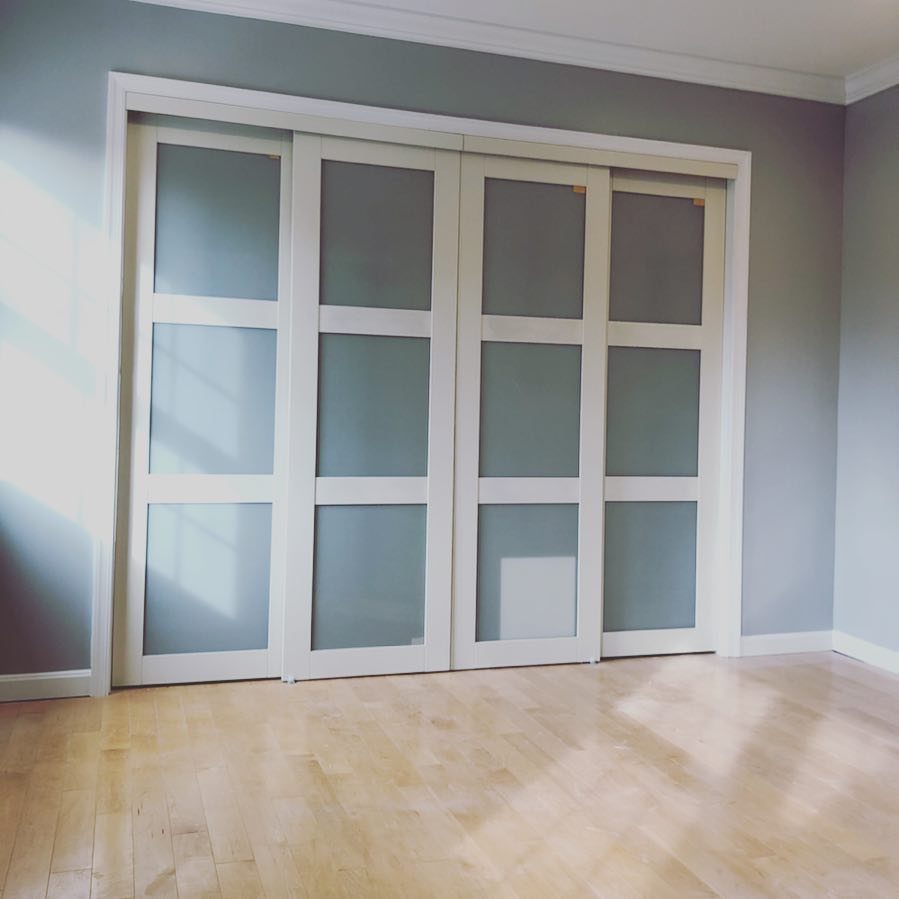
Frosted glass panels let light pass through without putting your closet contents on display. I would check the track hardware before committing to this style; multi-panel sliders need a sturdy frame and level top rail to glide smoothly.
White frames keep the look clean, but aluminum or black metal finishes are common alternatives if your room runs darker. This option suits modern spaces where you want some visual lightness at the door without the maintenance of clear glass.
Artisan smoked glass, created using smoke residue during the glass-making process, makes for one-of-a-kind closet doors in this Parisian apartment. Designed by Pierre Gonalons, the 1,900-square foot residence is a study in elegant eccentricity.

Add Stylish Charm: Elevate your bedroom with a timeless, elegant new look by installing sliding closet doors. Our 5-Lite Frosted Glass Sliding Closet Doors blend modern trends with space-saving designs, perfectly matching casual to contemporary home decor and fitting today’s lifestyle. Ideal as interior sliding doors, bedroom closet doors, and modern closet doors for a stylish upgrade.

Premuim Bypass Closet Doors Sliding Panels: Panel size-56x80 in (Double 29in Width Door)to accommodate barn door hardware kit. Suitable for 56 in barn doorways closing

Strength and Durability: JUBEST black farmhouse sliding closet door is designed with steel frame & white painted glass, combining modern aesthetics with long-lasting performance. The glass is backed with woven explosion-proof film for enhanced safety and shatter resistance. Includes a sturdy MDF kickboard for provided kick resistance and scratches from pets such as dogs or cats.
2. Use Curtains
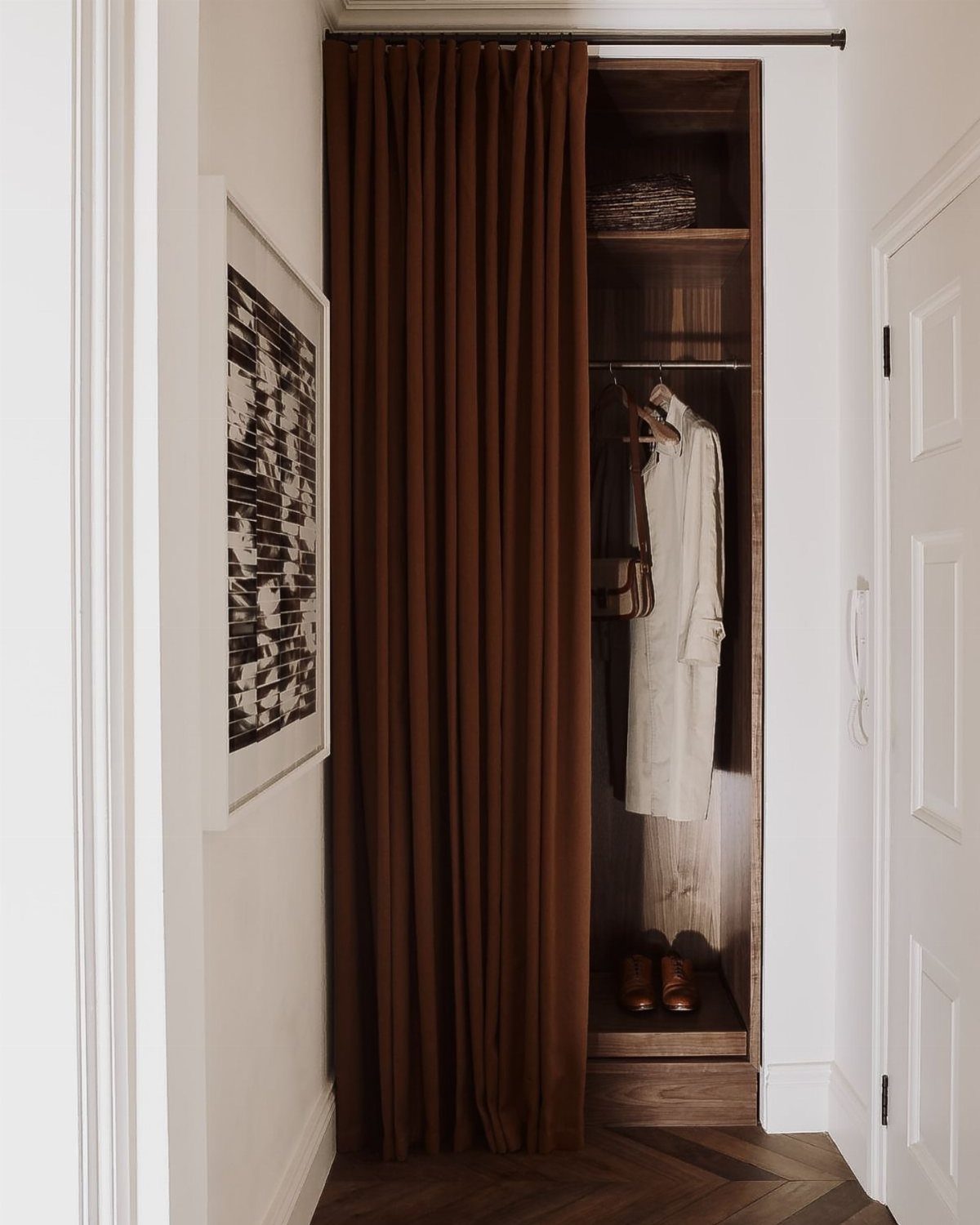
A curtain on a tension rod or mounted track replaces a door entirely for less than the cost of a basic hollow-core slab.
I like this for renters because it leaves no hinge holes and the fabric softens a hallway or bedroom edge that hard doors can sharpen.
Pleated styles hang neatly when drawn, but ring-top panels slide faster if you access the closet daily. Check that your rod spans past the opening so the fabric stacks clear of the doorway.

【Replace Old Rollers】:If your sliding closet doors start getting stuck or keep jumping off the track, it's time to replace with our brand new sliding wardrobe door wheels, it used by a variety of sliding closet door manufacturers to replace rollers on wood or metal framed sliding mirror doors and other contractors mirror door.

Stamped steel inner and outer housing

Used as the replacement for the old Monarch Door guides
3. Mirrored Closet Doors

Mirrored panels bounce light around a room and visually double the space, which matters in smaller bedrooms where a solid door would eat the wall.
Grid patterns break the mirror into smaller panes; full-sheet mirror is also common and costs less per square foot, though it shows more distortion if the wall behind it bows.
I would measure my ceiling height carefully before ordering, since mirrored sliders often come in stock sizes and trimming them on site is not practical.

【Purchase Note】Short tension rod, adjustments range in size just 4 inches, be necessary to get correctly measurements and order the right size
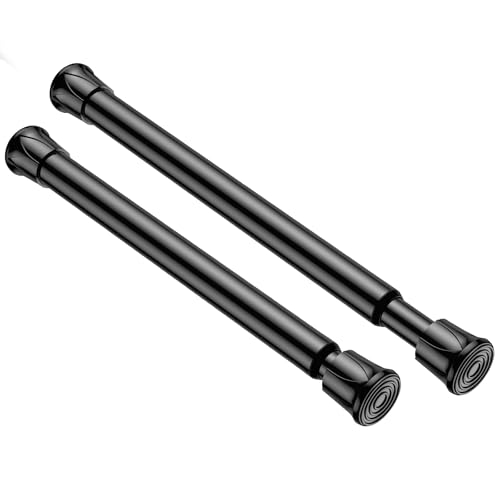
【Purchase Note】Short tension rod, adjustments range in size just 4 inches, be necessary to get correctly measurements and order the right size

Superior Material :Made from premium Inside and outside tube diameter: 13 and 16 MM Carbon steel,5/8-in Diameter sturty and durable
4. Paneling Trim
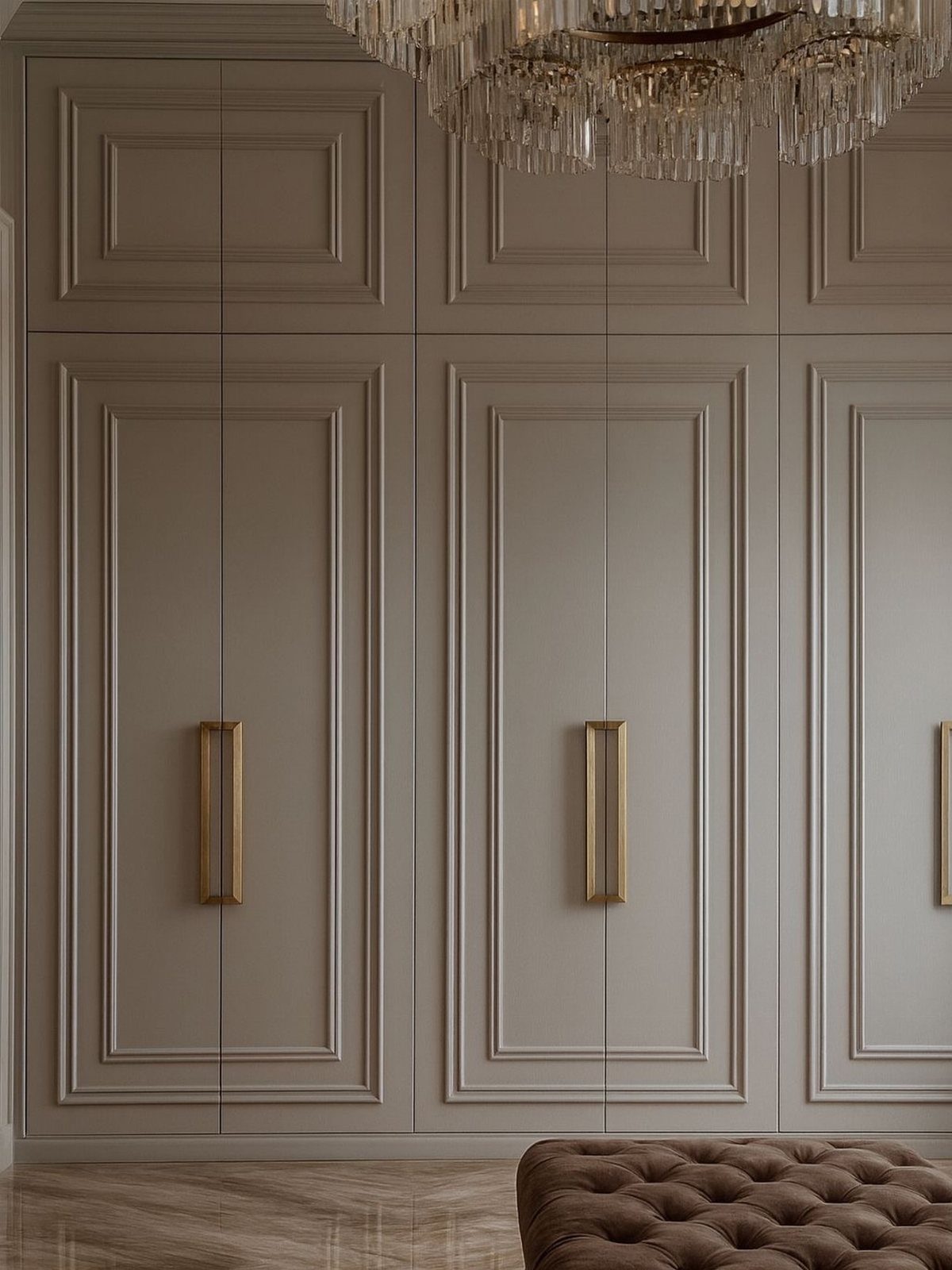
Applied molding turns flat slab doors into built-in-looking furniture without replacing the door itself. Rectangular patterns sit proud of the surface by about three-quarters of an inch, which catches shadow and reads as depth.
You can replicate this with hardwood strips and construction adhesive on a solid-core door; hollow-core doors flex too much for heavy trim.
Brass handles complete the look, but I would match my existing hardware unless I planned to swap every knob in the room.

2 Rosettes fit most 2-1/4" interior door and window frames - Rosette size 2-3/4" x 2-3/4"

DIY Installation - Installation is a snap with our simple 3-step process: cut, peel, and stick. It's quick, effortless, and requires no special tools

What You Get - A set of 2 frames of Art3d self-adhesive moulding trims for elegant door and wall transformations
5. Sliding Doors

Sliding doors save the swing space that hinged doors demand, which matters in tight bedrooms or where a bed sits near the closet.
Light woodgrain finishes are usually vinyl-wrapped MDF, a standard budget option that resists humidity better than real veneer in bathrooms or coastal closets.
I would confirm my opening is plumb before ordering; sliders run on a bottom track or wall-mounted hardware, and either system punishes a frame that racks even slightly. Tiled floors work fine, but carpet needs a flush threshold strip.

[SLIDING BYPASS DOOR GUIDE] - Easy to install bracket helps keep sliding doors in place and centered on their tracks

DOOR GUIDE SET: This sliding closet door floor guide set includes 2 door guides and 2 mounting options (screws with anchors & adhesive pads) to ensure a secure, stable fit for smooth operation of sliding closet doors.

Comprehensive Package: this package comes fully equipped with essential components for instant application; The package includes 4 pieces of dial adjust door hangers in 2 types, 2 pieces for #1 and 2 pieces for #2, together with 8 pieces of screws, making the setup process hassle free and straightforward
6. Natural Wood Paneling

Solid wood doors bring warmth that paint and laminate struggle to match, and vertical grain orientation draws the eye up in rooms with standard ceilings.
These are heavy; a floor-to-ceiling span needs sturdy pivot or sliding hardware, and I would verify my framing can take the load before I commit.
Oak and walnut are common choices, though I would consider alder or maple if I planned to stain lighter than medium brown, since they take color more evenly.
Slim dark handles keep the focus on the grain, which is the point of the material.

72x80 Sliding Closet Doors: Panel size-72x80 in (Double 37in Width Door) to accommodate barn door hardware kit. Suitable for 72 in barn doorways closing

Add Stylish Charm: If you want to give your bedroom a new look that will never go out of style, consider installing sliding closet door. 3-Lite frosted glass pantry sliding closet door is meeting the demands of today's lifestyle with trend and saving space designs spanning from casual to contemporary home decor.

Folding door is made of white beech color PVC+frosted acrylic, the surface is smooth and waterproof.And the frosted acrylic blocks the view from the outside to ensure privacy.
7. Apply Wallpaper

Wallpaper on closet doors adds pattern without committing an entire room to it.
I would choose a paper with some texture, since flat prints can read as contact paper up close, and I would stick to removable adhesive-backed versions if I planned to change it within a few years.
Recessed panels hide the wallpaper edges inside the door frame, which keeps the seams from catching and lifting over time. That detail matters more than the pattern itself.

Securely Holds: The clear RV sliding mirrored door latch helps to securely hold your mirror during transit with its durable and flexible PVC material, ensuring a snug fit and easy release.

Adhesive back for easy mounting to door surface

Complete Replacement Set: This package includes four Sliding Mirror Closet Door Rollers designed for bottom-mount installation. Each door bottom roller has an outer wheel diameter of about 1-7/16 inches and a thickness of about 1/4 inch, with a narrow flat-profile edge of about 1/8 inch wide. The housing measures about 3-1/16 inches wide by about 3-3/8 inches high. Please verify sizing before use
8. Painted Doors

Paint costs less than any door replacement and takes a Saturday. I would pull the doors off the hinges to paint both edges and avoid the thin uncoated line that opens when hinges move.
Satin or eggshell finishes wipe clean; flat paint on a door is a mistake you notice the first time someone touches it with damp hands.

【PACKING SPECIFICATIONS】: 2 pcs of white curtain rods, which can be extended from 26 to 39 inch, and the best use range is 28 to 36 inch,Scalable without drilling.

【Superior Material】-Made from premium Inside and outside tube diameter: 13 / 16MM Carbon steel ,sturty and durable

【Reinforced Support】 Our extendable curtain rod features a reinforced design with a 50% increase in wall thickness, providing unmatched support. It easily withstands 6 LBS of pressure without bending, ensuring a carefree user experience
9. Custom Antique Doors

Salvaged doors bring hardware, patina, and proportions that new stock cannot replicate. Antique doors with arched glass almost never fit a modern rough opening; you will need a frame built around them.
I would budget for a carpenter to plane and shim, and I would check that the swing direction works in my space before I buy; many old pairs were designed for wider Victorian doorways and need modified hinges to clear contemporary trim.
The brass hardware is part of the appeal, so I would clean it gently rather than polish it to newness.

Color and Size: our decorative line strips are made of non-traditional wood colors, which can easily blend into your decoration and add a touch of understated elegance; The size is 15.8 x 1.6 x 0.6 Inch (40 x 4 x 1.5cm), designed to an ideal proportion, easy to install, and will complement your wall

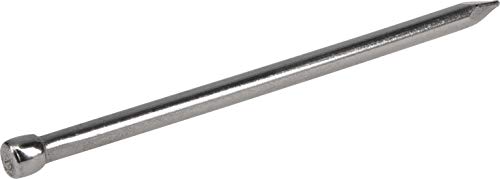
FINISHING NAILS FOR INTERIOR TRIM AND CARPENTRY WORK: 2 in. bright finish nails are designed for interior trim, molding, baseboards, door casings, and cabinetry where a clean, professional appearance is required in finish carpentry.
10. Metallic Inlay Closet Doors
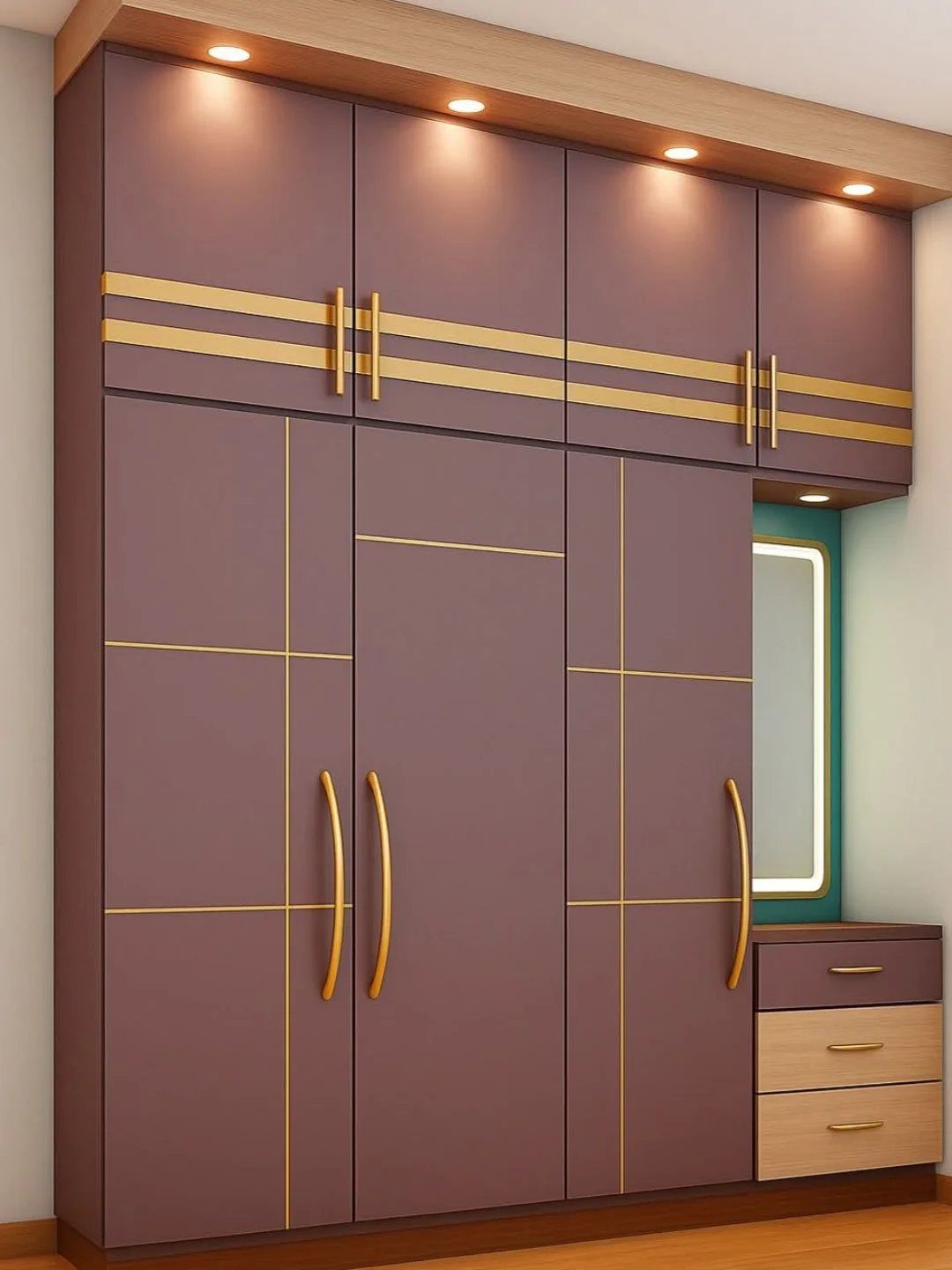
Thin metal strips inlayed into door faces catch light and add structure without the heaviness of full metallic cladding.
Gold lines that thin are usually aluminum or brass channel pressed into routed grooves, a detail that works on MDF or solid wood if the cuts stay consistent.
I would test my adhesive or pinning method on scrap first; temperature swings can loosen metal that is not mechanically locked.
Curved handles echo the line weight of the inlay, which is the kind of detail that separates finished work from hardware-store default choices.

【2 Sets Sliding Door Track】Includes 2 sets sliding door track (2 upper tracks & 2 lower tracks, 4ft each) for a complete installation solution. Ideal for cabinet and sliding door systems.

【Latest Design】BINOTE sliding closet door floor guide are designed to be more flexible and usable, all three rollers are adjustable, while the dual-sided design with concealed small pulleys ensures smooth sliding of the door panel while protecting it.

11. Arched Panel Doors

Arched panels soften the grid of rectangles that most closet doors repeat. The arched recess is routed or pressed, then sanded to an even depth so the shadow line stays flat across every door in the row.
I would stain rather than paint this style; the curve catches light differently than flat surfaces and paint tends to look thicker in the low spots.
A modular unit with drawers below and hanging behind replaces the basic rod-and-shelf setup most closets start with.
Functional and Aesthetic Benefits
A closet door takes up more visual space than most people account for.
In a small bedroom it can occupy a quarter of the wall or more, which makes it either a dead zone or the single largest design element in the room. That is why the choice matters beyond hiding clutter.
The functional side is equally easy to overlook until you live with the wrong setup. A door that swings into a narrow space forces you to stand back from the closet every time you open it.
A track that sticks turns daily dressing into a small frustration. The best options solve both problems at once: the mirrored panel that adds light while it stores, the curtain that softens a hallway while it saves the swing space.
Neither job is decoration or utility alone; they work together or they fail together.
Budget-friendly Options
Most of the ideas in the list cost less than a hollow-core replacement door and install in a weekend.
Paint is the cheapest full makeover you can give a closet door, and the supplies stay reasonable if you stick to a standard pair.
A tension rod and curtain panel together cost less than almost any hardware kit, and the whole setup stores flat when you move. Even applied trim, the most involved DIY of the group, needs only hardwood strips, adhesive, and patience.
The savings are not just in materials.
Pulling a door to paint it or adding molding to the slab you already own keeps the old door out of a landfill and saves the cost of hauling. For renters, the cheapest options are also the most reversible.
Curtains leave no holes; removable wallpaper peels off when the lease ends. The budget ceiling here is low enough that a failed experiment does not sting, which matters when you are learning what works in your space.
Renter-friendly Solutions
Renters face a specific problem: the door belongs to the landlord, but the room belongs to you. Every solution has to leave no trace or hide its evidence.
Curtains on a tension rod are the cleanest option. The rod presses against the frame without screws; when you move, it lifts away and the frame looks untouched.
Removable wallpaper is nearly as clean if you apply it to the door face and stay away from the edges where heat and humidity loosen adhesive over time.
I would test a corner first on any door I planned to return in original condition.
Paint is riskier. Many leases forbid it; others allow it with the understanding that you return the door to its original color.
Keep the original color in a labeled jar. The cost of a quart of paint and a brush is less than a security deposit deduction, but only if you plan the reversal from the start.