These 13 ideas range from a basket you carry home today to a mobile shelving cart you build yourself, and the one that belongs in your house depends on whether you own the walls or answer to a lease.
Renters will live inside fabric drawer dividers and rolling carts that leave no trace, while first-home owners can anchor cubby shelves and screw open wall shelves into studs they have already checked for placement.
1. Decorative Storage Baskets

Woven baskets on open vanity shelves hide toilet paper, hand towels, and the small clutter that collects in bathrooms.
I like ones with handles for pulling out and carrying to the laundry. Check the shelf depth before buying; a basket that sits too deep wastes the front rail and blocks what is behind it.
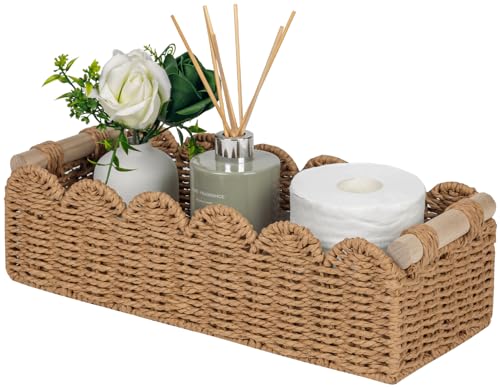
MULTIPURPOSE USE: Our scalloped edge paper rope decor basket adds personality and charming addition to bedroom, living room, bathroom, nursery and space-floating shelves, over toilet storage shelf, end table, nightstand, storage cabinet, bookcase and more, also serves well for small items, beauty products, cleaning supplies, and more

COMPACT SIZE FOR TOILET TANK: Measuring 14 x 6.1 x 3.6 inches, this narrow toilet paper storage basket is designed for small spaces. Fits on toilet tank tops, bathroom countertops, shelves, nightstands and entryway consoles, helping turn cluttered corners into cozy, beautifully organized spaces while keeping backup toilet paper rolls and essentials within easy reach

Versatile multi-purpose storage items with a coordinated look
2. Rolling Cart Lunch Station

A rolling cart lunch station moves where the morning rush is: kitchen corner in September, mudroom by October.
The three tiers let you separate food from containers from ice packs, and the wheels mean one person can clear the whole thing after school.
I would skip the mini-fridge unless an outlet is already there; the cart works fine hauling to the main refrigerator.

Ultimate Storage Solution: The DTK storage cart offers 3 basket/ shelves, 3 cups and 6 hooks for storage. Also it comes with a lid table top so you can cover the basket for clean reason or you can place daily items like lap top, coffee cup on it.

ELEGANT BOHO AESTHETIC: Unlike standard industrial plastic carts, our metal utility cart features 4 handcrafted, breathable woven baskets that bring a warm, natural touch to your Living Room or bedroom. It's the perfect statement piece for creating a "Home SPA" vibe or a chic, cozy Nursery.

Utility Cart with Table Top& Drawer:The unique table-board is made by durable mdf wood. Which is suitable for a printer, a laptop, magazines, books or cups for extra needs.The 2 large baskets and plastic drawer provide enough storage space for your daily life, optimize the space utilization, and make the messy room tidy.
3. Labeled Jars and Containers

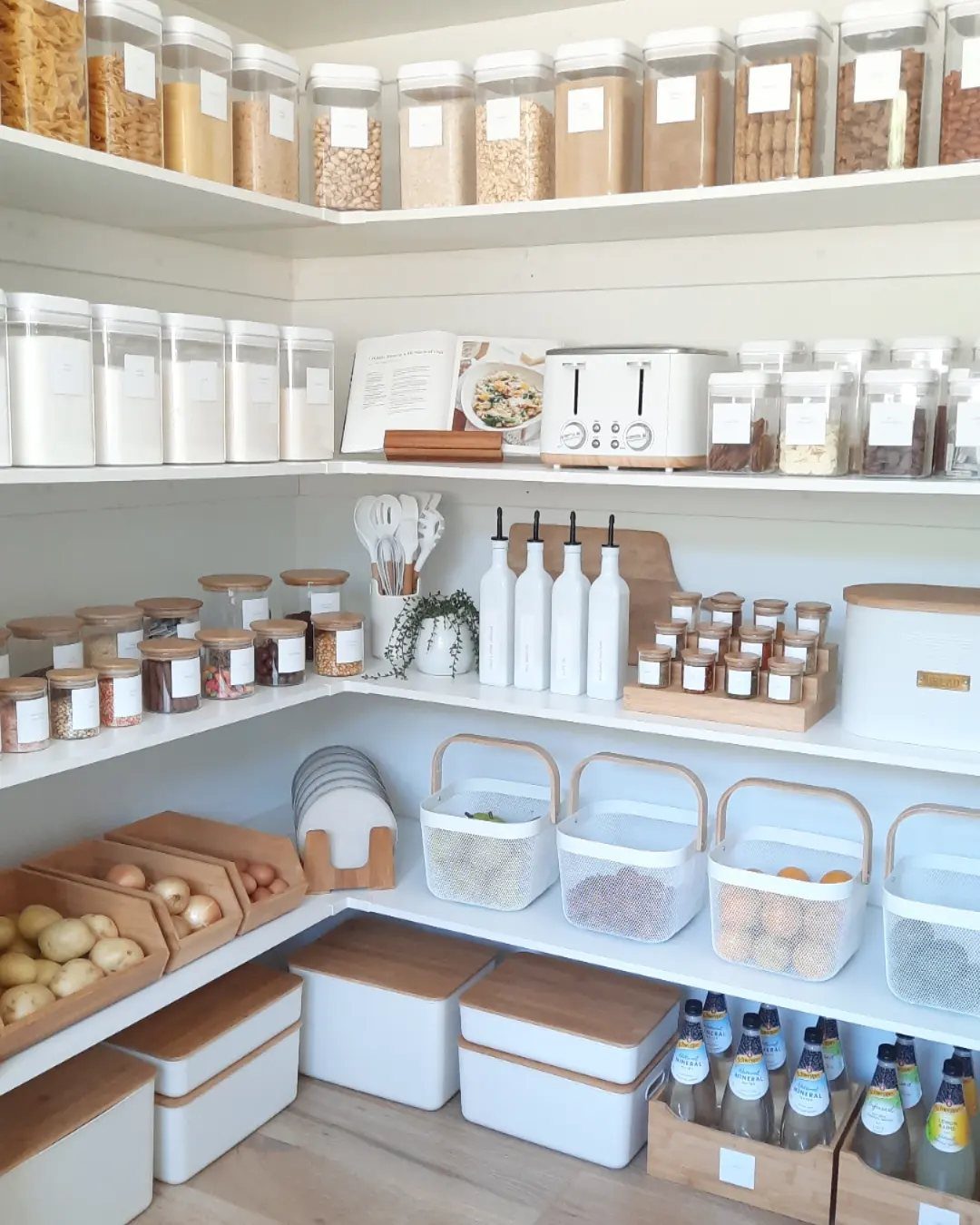
Matching containers with matching labels turn a pantry from stacked chaos into something you read at a glance. The clear walls show when rice is running low without opening the lid.
I buy one brand in a few sizes so the lids swap and the line stays straight across the shelf. A label maker beats handwriting after the first steamy summer.
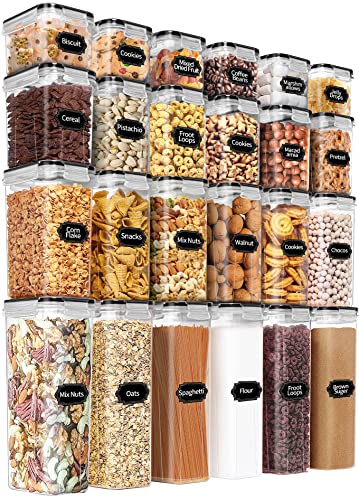
Bundle Set: This kitchen & pantry organizers and storage set comes with 24 containers, they are inlaid together, so at first glance you may think there is only the same size, but when you take it apart, you will find FOUR different sizes. Includes 6 Large Tall Containers (2.5 quart /2.8 liters), 6 Large Containers (1.8 quart /2.0 liters), 6 Medium Containers ( 1.3 quart /1.4 liters), 6 Small Containers (0.7 quart /0.8 liters). Perfect for storing flour, sugar, spaghetti, rice, nuts, cereal, snacks, pasta, and more

PRODUCT SIZE: 10.5inch high and 6.5inch wide, our air tight pantry is suit for tea, honey, coffee beans,Spice,Cereal,Egg,Flour.

Variety of Container Sizes: This 8-piece airtight food container set comes in 4 sizes for all your storage needs, including 2 Tall Containers (2.5QT/2.8L), 2 Large Containers (1.8QT/2.0L), 2 Medium Containers (1.5QT/1.6L), and 2 Small Containers (0.7QT/0.8L) for storing spaghetti, cereal, flour, sugar, pasta, nuts, rice, grain, beans, snacks and other dry food
4. Vertical Dividers on Closet Shelves

Vertical wire dividers turn a deep closet shelf into narrow slots, each holding one stack of linens upright. Without them, the pile leans, wrinkles, and avalanches when you pull from the bottom.
Measure your shelf height first; dividers too tall block the folded top sheet from sliding in flat. Space them far enough apart for the item you are storing: bath towels need more room than washcloths.

Effortless Shelf Organization: Transform wide shelves and entry cabinets with our set of 8 adjustable dividers. Perfect for neatly organizing clothing, towels, blankets, sweaters, accessories, and linens, while also keeping shoes, purses, and bags well separated to reduce clutter

KEEP YOUR CLOSET ORGANIZED: Great way to separate clothes or purses, our shelf dividers can keep them in place. Definitely, it can free up more space to make your house look better. The fly in the ointment is that please don't mount it on a board longer than 0.95 inches, it will cause it to break.

KEEP YOUR CLOSET ORGANIZED: Great way to separate clothes or purses, our shelf dividers can keep them in place. Definitely, it can free up more space to make your house look better. The fly in the ointment is that please don't mount it on a board longer than 0.95 inches, it will cause it to break.
5. Color-coding Craft Room
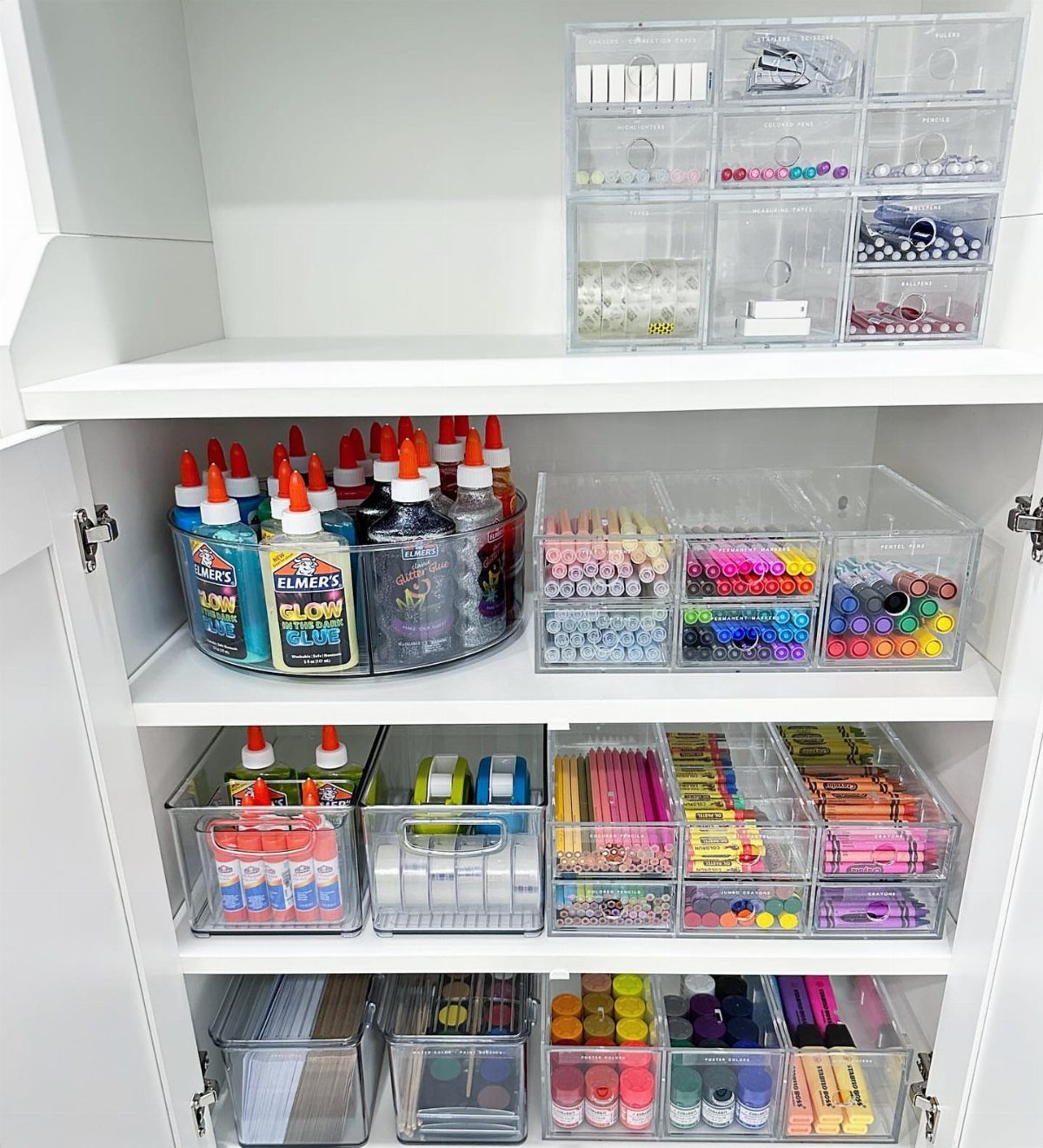
Color-coding a craft room means sorting by hue until the whole cabinet reads like a gradient. The visual logic trains kids to return markers to the red slot, the blue slot, the green.
I would start with what you already own, grouping before buying a single new bin. The system fails if one color overflows its container, so size the bins to the heaviest stock.

Opaque Bins for Neater Shelves:Unlike clear storage bins, these solid opaque plastic containers help hide visual clutter inside while keeping shelves looking neat and uniform. The bright rainbow colors make it easy to color-code toys, classroom supplies, craft materials and playroom essentials by category

𝐕𝐈𝐁𝐑𝐀𝐍𝐓 𝐏𝐀𝐒𝐓𝐄𝐋 𝐒𝐓𝐎𝐑𝐀𝐆? 𝐂𝐔𝐁𝐄𝐒: Brighten your home with a storage cubes 6 pack in blue, green, red, yellow, orange, purple. These colorful storage cubes and multicolor storage bins are perfect for the nursery, closet, or kids’ room, offering Rainbow bins, rainbow bins, and Rainbow baskets for vibrant, tidy organization.

Opaque Bins for Neater Shelves:Unlike clear storage bins, these solid opaque plastic containers help hide visual clutter inside while keeping shelves looking neat and uniform. The bright rainbow colors make it easy to color-code toys, classroom supplies, craft materials and playroom essentials by category
6. Open Wall Shelves

Open wall shelves in a kitchen keep spices and produce where you reach them, not where you root through drawers.
Under-shelf lighting brings forward what sits at the back, and a rail below gives tools a home outside the drawer. I check stud placement before ordering; these carry weight, and anchors in drywall sag by year two.

Declutter In Style: Brighten every corner with KIBAGAs’ organizing baskets. Perfect for nursery organization, bathroom basket storage and more. Enjoy turning cluttered areas into neat, stylish zones with ease. Say hello to a beautifully organized home!

Natural Cotton Material – The 5-pack cotton rope storage baskets are made from 100% premium cotton rope. These soft woven baskets have no sharp edges, making them safe for kids and pets. Perfect for families, parents, and pet owners who value a clean, cozy, and well-organized home.

Stylish Woven Design: Designed with an elegant wicker-style woven texture, this decorative storage basket adds a clean and modern touch to shelves, closets, bathrooms, and living spaces while helping reduce clutter.
7. Fabric Drawer Dividers

Fabric drawer dividers soften the hard corners of a dresser drawer into compartments for socks, belts, or baby clothes.
I like them for rental dressers where built-in organizers are not an option. Check that the fabric sides stand stiff when the drawer slides; floppy dividers let items drift and tangle by Wednesday.

1.【Multi-functional Large Capacity】Featuring 3 spacious baskets, this metal cart serves as a versatile craft station, cleaning organizer, book trolley, art supply caddy, makeup vanity, diaper storage, laundry sorter, or snack transporter. Plus: 3 hanging cups and 4 hooks add extra storage for small items. Ideal for pantry organization and clutter-free spaces.

1. 🔥 Industrial-Grade Carbon Steel Frame *Ditch flimsy plastic! Our heavy-duty carbon steel construction supports 2X more weight than competitors, with zero sagging or cracking. Built to last for years, not seasons.
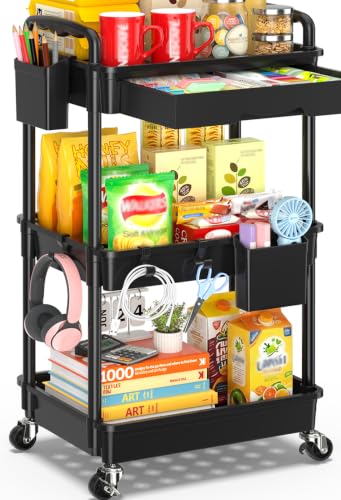
Removable Drawers for Convenient Storage: This rolling cart is easily organize small items with removable drawers that allow you to access your belongings quickly and efficiently. Suitable for cosmetics, office supplies, or craft tools.
8. Drawer Dividers for Lunchware
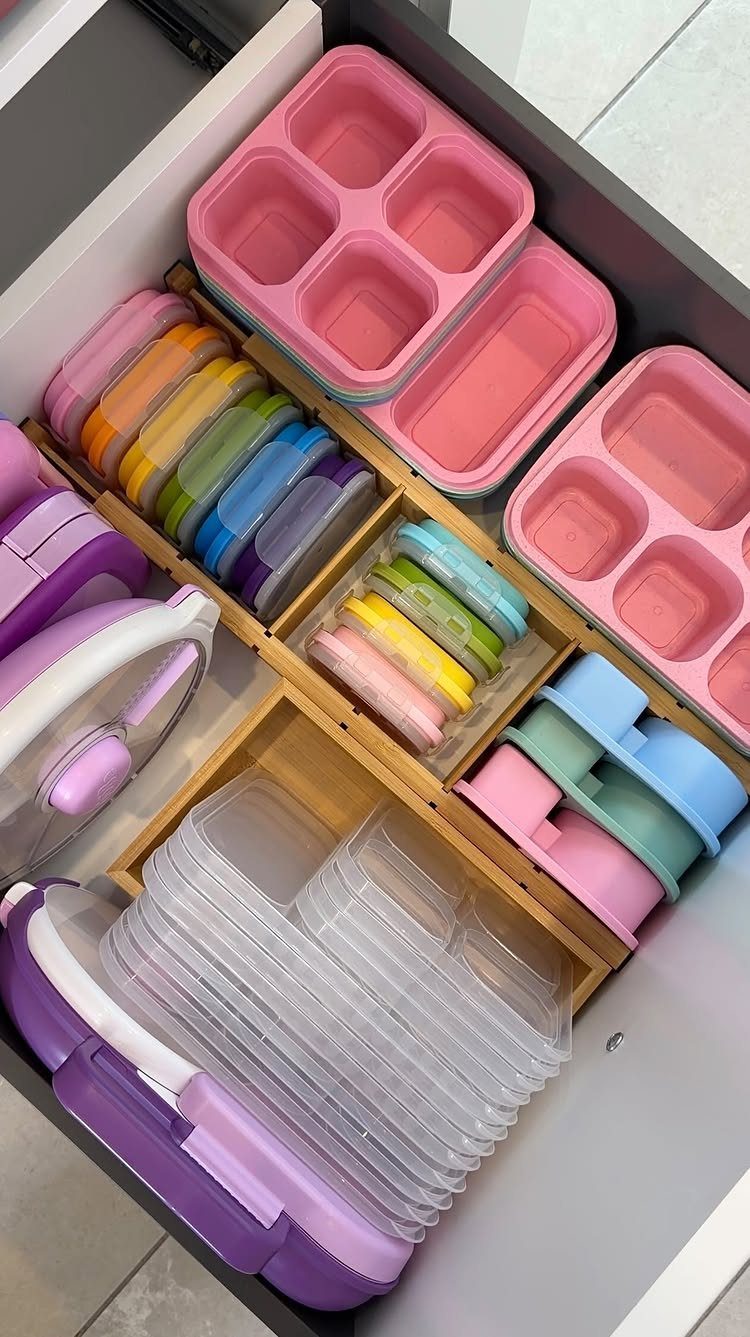
Adjustable bamboo dividers turn a deep kitchen drawer into slots sized for each container lid and base.
The spring-loaded ends grip without hardware, so the layout shifts as the kids grow out of snack-size tubs into full lunch boxes. I would leave one wide bay for the odd-shaped pieces that never fit the standard grid.

Horizontal Storage Design: Our pasta storage containers can lay horizontally from front to back of the cabinet instead of standing upright, which avoids things getting lost at the back of the shelf and keeps every item close to the front. Suitable for not large but deep cabinets. So clever to have your long pasta lay flat, so you can just reach right in and grab a handful without breaking into tiny spaghetti pieces
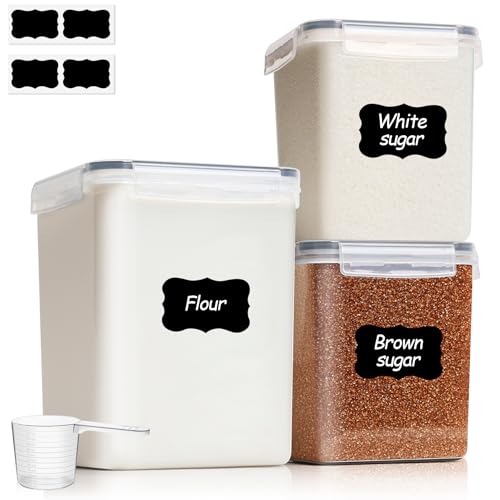
Suitable for Flour and Sugar Set: Our air tight pantry storage containers include a 5.5 Qt flour container that easily holds 5 lb flour and two 2.6 Qt sugar containers that each can easily hold 2 lb sugar, perfect for baking supplies; They are also suitable for storing cereal, pasta, rice, oatmeal, snacks, beans and other pantry dry foods

PRODUCT SIZE: 7.5inch high and 5.2inch wide, our air tight pantry is suit for tea, honey, coffee beans,Spice,Cereal,Egg,Flour.
9. Garage Heavy-duty Storage Bins

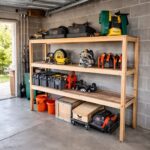
Black bins with yellow lids on garage shelving turn seasonal gear into a wall you can read from the driveway.
The uniform color hides dust, and the latch keeps mice out of the Halloween costumes. I buy one size so they stack without teetering; mixed brands leave gaps that waste the vertical space.
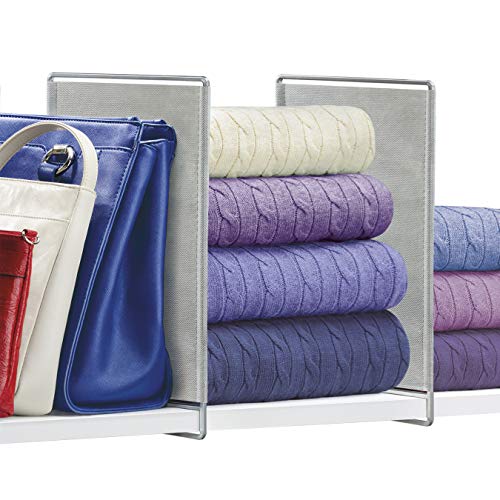
PROFESSIONAL QUALITY FOR THE HOME, THERE IS NO SUBSTITUTE! STYLISHLY ORGANIZE CLOSET SHELVES by separating and organizing all your pants, sweaters, towels, linens, blankets, and purses, the perfect alternative to bins and baskets

Effortless Peel-and-Stick Setup for Instant Organization: Say goodbye to complicated installations! Our adhesive acrylic shelf dividers feature innovative, reusable double-sided tape, allowing for quick and easy installation and removal. Simply stick these closet shelf dividers onto your wood shelves or any smooth surface in your closet, cabinet, or kitchen without tools or fuss. Best of all, this stickable design ensures no damage to shelf surfaces, preserving their integrity.

【Upgraded Wide Mouth Design】15.7"x11.8"x8.7"(L x D x H) in size. Due to the appropriate depth(11.8inch), the basket will not protrude when placed in most wardrobe. The clothing organizers are suitable for most size of clothing especially big clothes, pants and jeans(Patent 30022416).
10. Slim Entryway Shoe Cabinet

A slim shoe cabinet tilts out to swallow sneakers without the bulk of a bench, and cane fronts let air through so leather does not sour.
The slim depth tucks behind a front door that would smack a standard cabinet. Check the tilt angle before buying; some designs need more toe clearance than a narrow entry allows.

Paper storage solution: These 13x9.75x3 inch storage bins are precisely sized to hold standard letter-size worksheets, documents and papers while the built-in handles make transport easy for classroom and office organization needs

Roomy & Versatile: These colorful storage bins with lid are perfect for organizing anywhere and anything, the storage containers for organizing are great for classroom, playroom, bathroom, pantry, closet, cabinet, kitchen shelves, they are deep enough to hold plenty of items, sleek appearance allows it to fit anywhere.

Dimension of each small bin: 11.5" L x 7.6" W x 4.9" H overall, 9.64" L x 5.7" W x 4.9" H inner size. Note: Please check the size before purchasing
11. Cubby Shelving for Toy Storage

Cubby shelving gives toys a front-facing home where kids see what they own and, in theory, return it. The cube size fits standard bins, and the low rungs let a small child reach the second row.
I would anchor it to the wall even if the manual calls it optional; a full cube tips when they climb for the top shelf.
12. DIY Mobile Shelving Cart

A rolling cart built to hold laundry baskets lets you sort where the clothes fall and wheel the whole load to the washer.
The slide-in rails keep baskets from sliding on turns, and casters handle carpet better than rigid legs. I would use solid-bottom baskets; mesh sags and snags on the frame after a few months of jeans.
13. Kid’s Closet Hanging System

A kid’s closet hangs low so small hands reach their own clothes, with floor-level bins catching what drops and a door organizer swallowing the small stuff that has no hanger.
I would set the rod low for a toddler and plan to move it up twice before high school.
Pictures or color blocks on bins work earlier than words if your child is not reading yet. Check that the over-door pockets clear the door frame when it swings; some thick organizers bind and scrape the jamb.
Decluttering Strategies
Decluttering before you organize saves you from sorting stuff you will not keep. I like the four-box method for a quick pass: keep, donate, trash, and relocate, handled in one sweep.
If you are short on time, grab a basket and move fast: pull out items that belong elsewhere, put them back where they go, and repeat until the basket is empty. Neither method needs a whole Saturday.
I would tackle one room at a time rather than circling the house. A dedicated day per room lets you finish what you start, and finished rooms keep you motivated for the next.
Have boxes ready before you open the first closet; pausing to find a bag kills momentum and half-sorted piles end up back where they started.
Using Bins and Baskets
Bins and baskets fail when they become clutter themselves. I match the material to the room: woven baskets for open bathroom shelves where they breathe and look finished, wire or plastic for pantries where you wipe down spills.
I would avoid buying bins before I know what goes in them.
Measure the space, sort the items, then shop. For rental spaces, fabric bins and baskets save you from installing hardware the lease forbids.
Creating Designated Areas
A designated area only works if the activity actually happens there.
I would set up the lunch station where morning traffic already flows, not where it looks best in a photo. The rolling cart in the list moves for this reason: stations should serve the habit, not fight it.
Group by complete task, not by item type. Mixing bowls stored with flour and measuring cups beats a "baking tools" drawer that sends you to 3 cabinets per recipe.
I would label the boundary, not just the contents.
A tape line inside a drawer or a basket handle turned outward shows where one station ends and another begins. Without that edge, designated areas blur back into general storage by the second week.
Frequently Asked Questions
How do I organize my home?
Start with one room and finish it before moving on.
I sort into 4 piles: keep, donate, trash, and relocate. That last one matters more than people think; the hammer in the kitchen drawer belongs in the garage, not in a box of things you are deciding whether to keep.
What are some easy DIY organization ideas?
Bins, labels, and designated areas do most of the work. A rolling cart set up where morning traffic already flows beats a fixed station that fights your actual habit.