
LVP stands for Luxury Vinyl Plank. These long, wood-look planks feature a tough wear layer on top and either a WPC or SPC core underneath, which allows them to handle spills effectively while remaining affordable. Click-lock LVP installation is straightforward, though quality varies between products. Not all vinyl planks perform equally, so careful selection before purchase is important.
What LVP Flooring Means: and Why It’s Not the Same as LVT
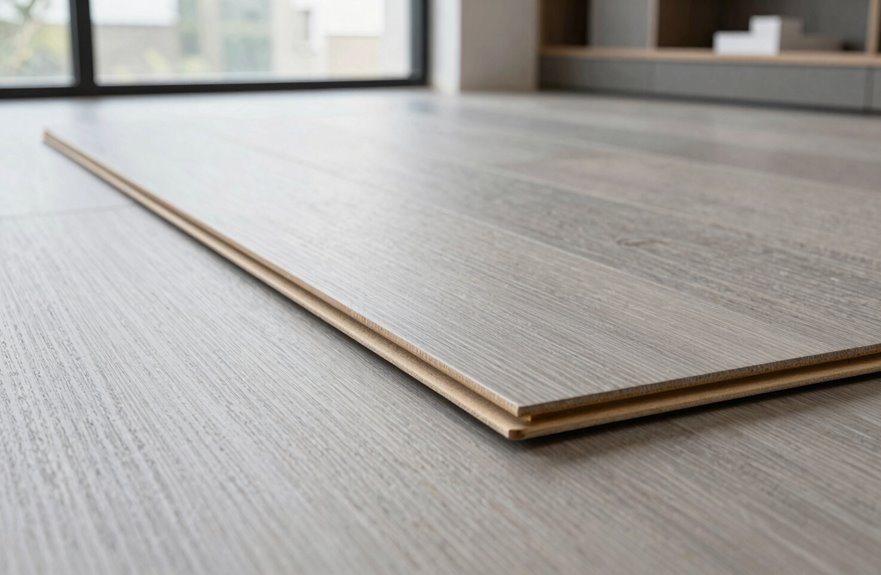
So what exactly am I stepping on when I brag about my “LVP” floors to confused houseguests? I’m standing on Luxury Vinyl Plank, baby, a multi-layer marvel that tricks everyone into thinking I’ve splurged on hardwood.
LVP comes in a plank-format, typically 6–9 inches wide, with gorgeous wood-look textures that feel absolutely real underfoot. The magic is in the layers: a tough wear layer on top plus core construction like WPC or SPC underneath for serious stability and moisture protection. I installed mine with click-lock, though glue-down works too.
Don’t mix this up with LVT. That’s the tile-look stuff, stone impressions in square formats, though some stores lazily lump plank styles under LVT too. Always check the actual format, wear layer thickness, and core type before buying.
LVP vs. LVT vs. EVP: Which Flooring Type Fits Your Space
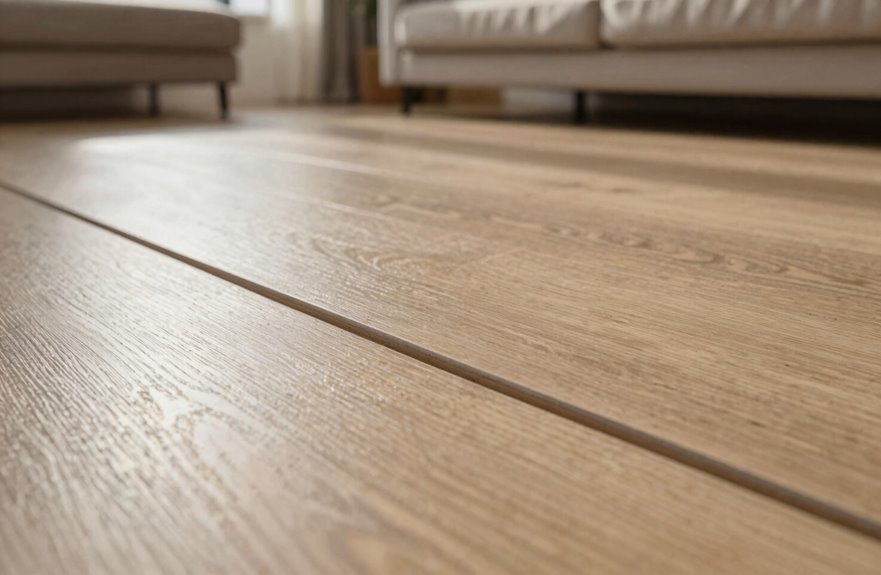
Now that I’ve got my LVP basics down, I’m staring at the showroom samples and realizing the alphabet soup doesn’t end there. LVT and EVP are also options to consider.
Luxury Vinyl Plank gives that warm wood look, with planks measuring 6-9 inches wide and stretching 36-72 inches long that feel like actual hardwood underfoot. Luxury Vinyl Tile provides the stone-and-ceramic aesthetic, perfect for herringbone patterns, offering that cool tile look without grout maintenance issues.
EVP, with its rigid core and cushioned bottom layer, performs well when subfloors are uneven. That cork backing accommodates surface irregularities. Installation is also more straightforward. The choice comes down to application: wood look for cozy spaces, tile look for sleek interiors, or EVP when foundation imperfections need accommodation.
LVP Construction: WPC, SPC, and Flexible Core Differences
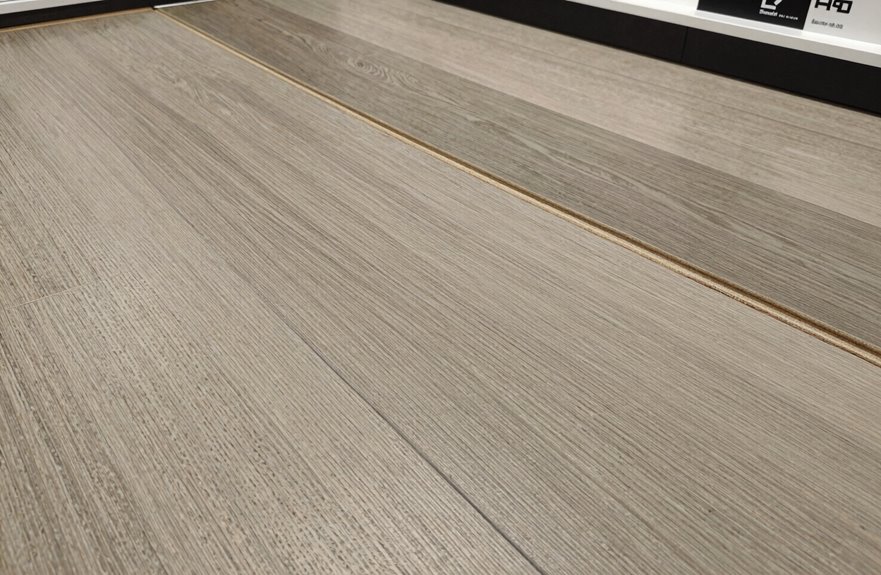
The real rabbit hole starts when you flip those samples over and examine the fine print on the core construction. I spent twenty minutes in a flooring aisle once comparing WPC, SPC, and flexible core options.
Here’s the breakdown. Luxury Vinyl Plank comes in three LVP core types. Flexible core vinyl flooring runs 2–4 mm, budget-friendly but temperamental when temperatures swing. WPC blends wood fibers with foamed PVC, creating a comfortable underfoot feel that also reduces noise from pet activity. SPC swaps limestone into that core construction, creating rock-solid dimensional stability that resists heavy traffic.
Remember: all SPC is LVP, but not all LVP is SPC. Check that label before you commit.
Rooms That Suit LVP: and Where It Falls Short
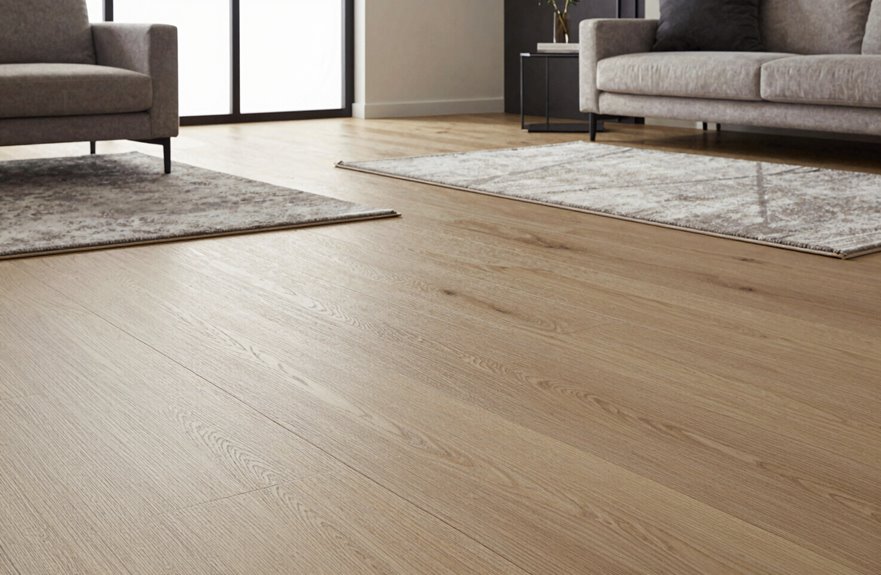
Once you’ve wrestled with core types in that fluorescent-lit aisle, the real fun begins: figuring out where this stuff actually belongs in your house.
Once you’ve wrestled with core types in that fluorescent-lit aisle, the real fun begins: figuring out where this stuff actually belongs in your house.
I’ve installed Luxury Vinyl Plank everywhere. Kitchen flooring is where LVP absolutely shines. That water resistance handles my chaotic pasta nights without issue. The plank format looks like real hardwood, but I don’t panic when my dog sprints through with muddy paws.
Bathrooms benefit from the moisture resistance. Living rooms see that wear layer survive my friend’s stiletto heels.
But I’ve learned the limits. SPC core feels cold in bedrooms; I’d pick WPC core there for comfort. Direct sunlight fades colors, and uneven subfloors fight click-lock installation methods. Basements work, but check that concrete first.
Know your space and assess your specific conditions before choosing.
Pick the Right LVP: Thickness, Wear Layer, and Installation
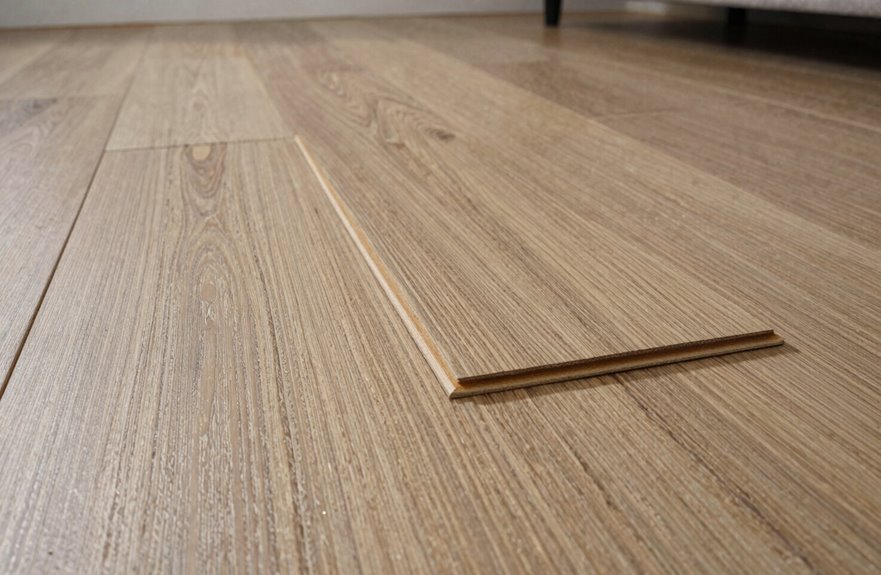
How do you actually pick the right LVP when every box screams “premium” and “heavy-duty” in that same bold font? Standing there overwhelmed is completely normal.
Let’s cut through the noise together. Luxury Vinyl Plank thickness matters literally. Go thicker (8mm+) for uneven subfloors, thinner where height’s tight. The wear layer is your armor. Check mils: 12 mil handles dropping keys, 20 mil survives a rescue dog’s zoomies.
Core construction changes everything. WPC feels warmer and forgiving, while SPC laughs at temperature swings. That’s a lesson worth learning from experience.
Installation comes down to your lifestyle. Floating clicks together, perfect for those who like to redecorate; glue-down stays put forever with no take-backs. Match durability to your actual chaos, not fantasy. Your eclectic, lived-in home deserves honest choices, not marketing fluff.